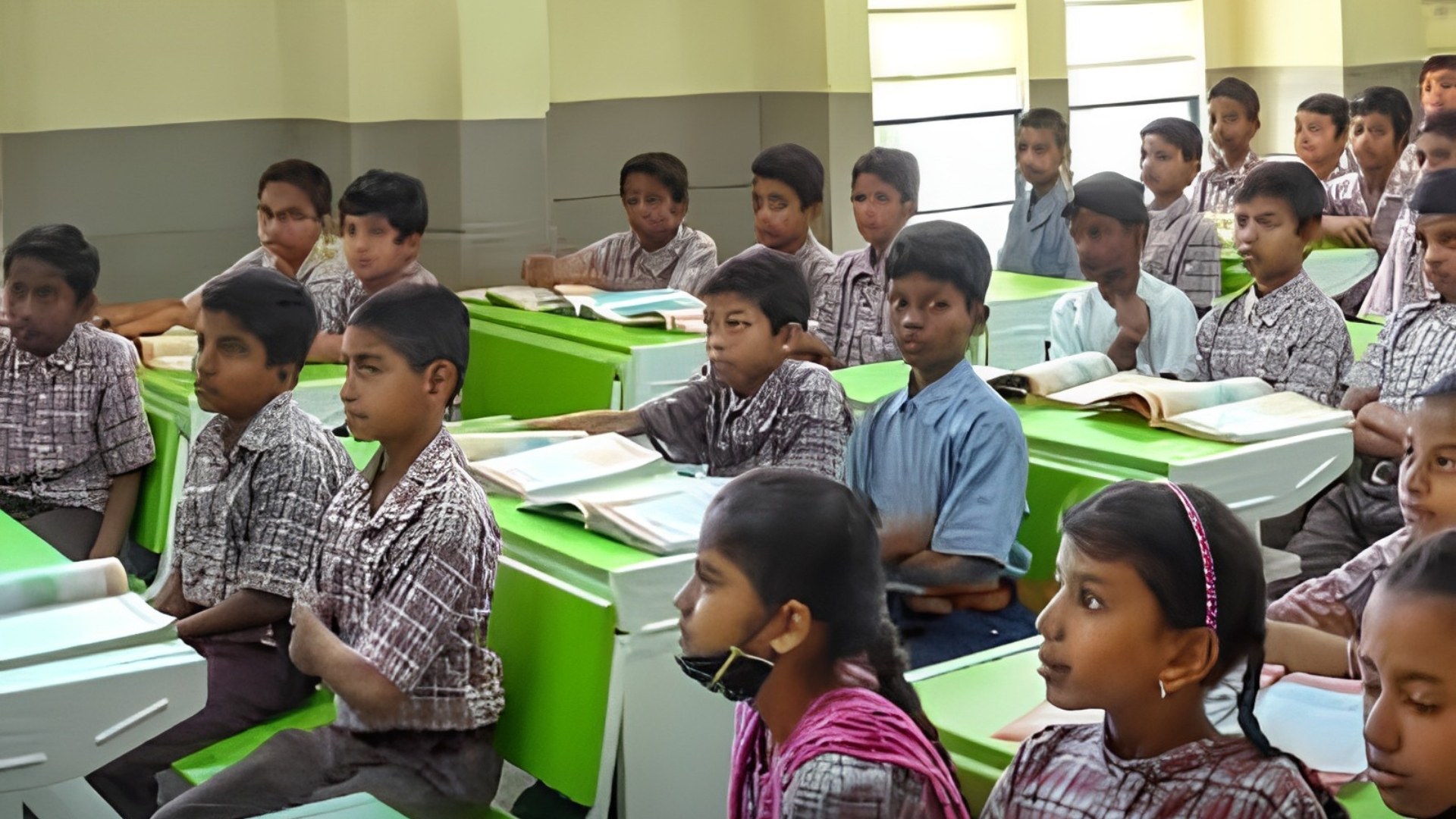
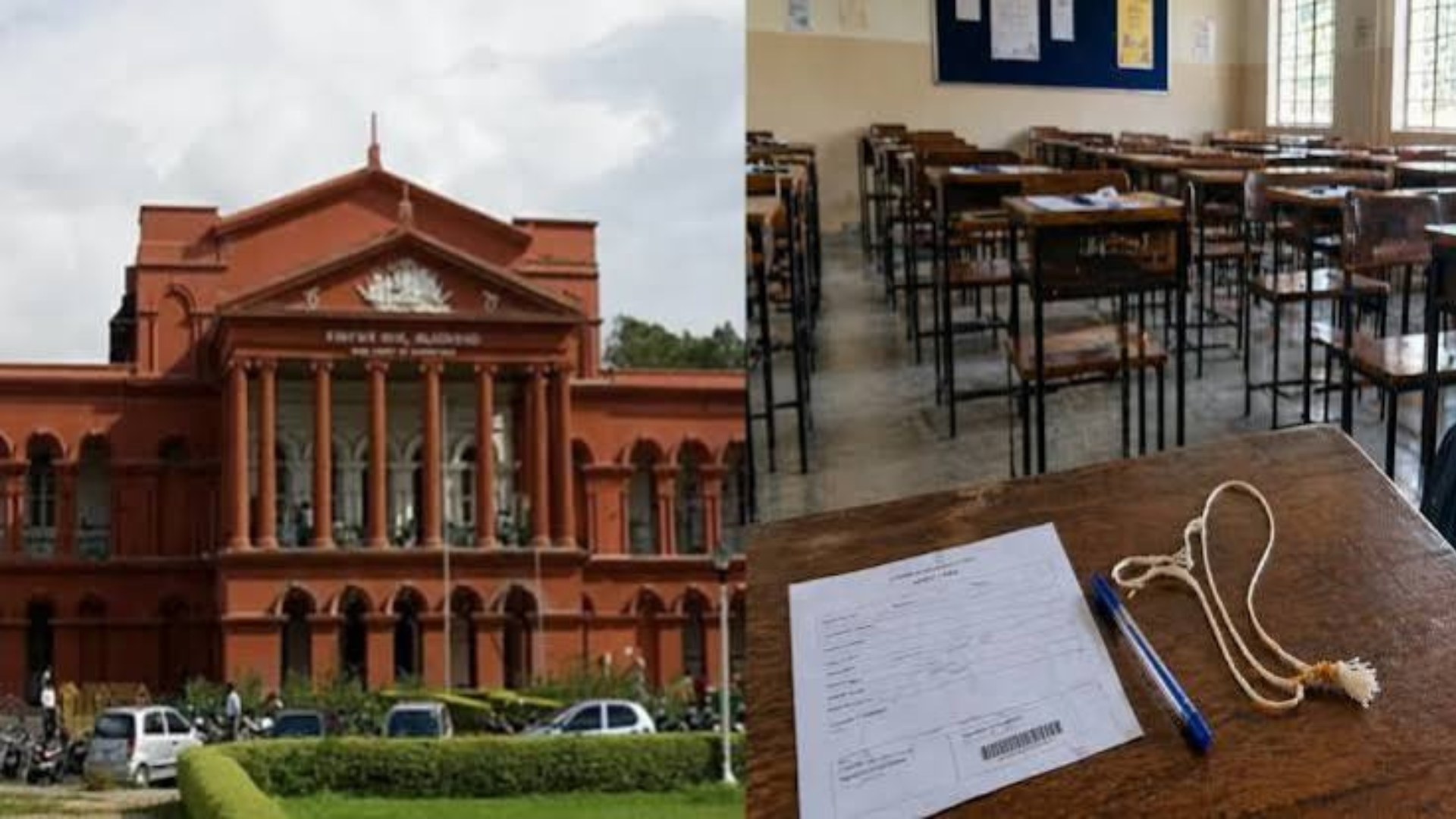
The Telangana government plans to introduce a 10+2 school education system from the next academic year, bringing Classes 11 and 12 under schools and moving away from the existing separate intermediate college structure.

Chief Minister A Revanth Reddy announced the proposed reform on November 11 following a review meeting with officials from the education department. The Chief Minister also holds the education portfolio.
Under the proposed structure, school education will be divided into three levels: primary education from nursery to Class 4, secondary education from Classes 5 to 8, and senior secondary education from Classes 9 to 12.
The Chief Minister said students should develop strong language and communication skills by the time they complete Class 12.
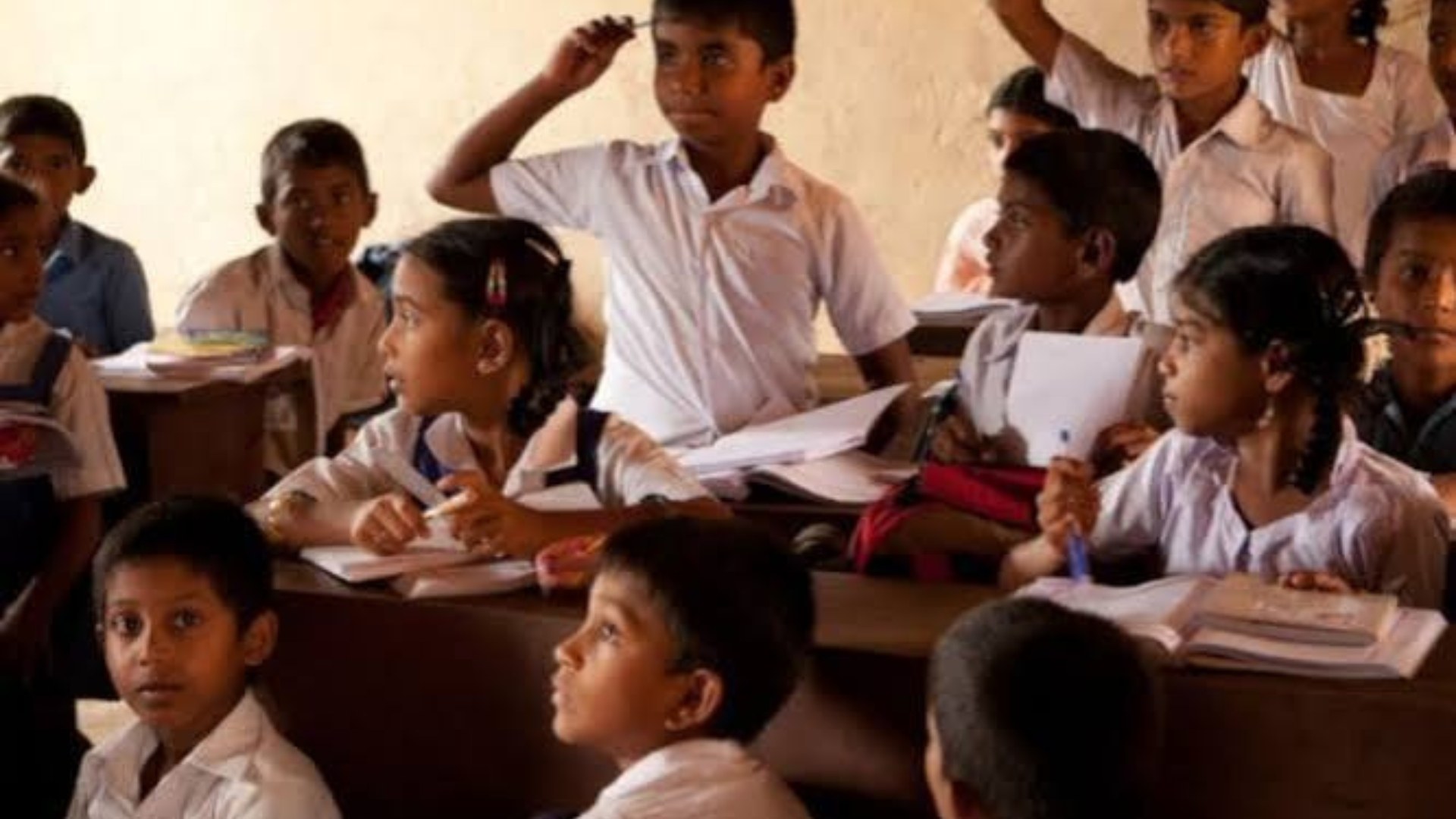
Reddy also expressed concern over students discontinuing their education after Class 10. According to the report, girls and children from Dalit, tribal and minority communities account for a significant share of these dropouts.
He pointed to institutions such as Kendriya Vidyalayas, Navodaya Vidyalayas and Kasturba Gandhi Balika Vidyalayas, where students have access to continuous education up to Class 12.
Currently, students in Telangana's state board system generally pursue their intermediate education in junior colleges under the Telangana State Board of Intermediate Education. These institutions have faced criticism over academic pressure, particularly because some combine regular classes with coaching for engineering and medical entrance examinations.
The Chief Minister assured that the employment and retirement benefits of junior college lecturers and non-teaching staff would remain unaffected under the proposed changes.
During the review, he also directed officials to shift government welfare hostels and residential schools out of rented buildings and provide them with adequate facilities, including toilets and drinking water.
Additionally, officials were asked to speed up recruitment for Assistant Professor, Associate Professor and other faculty positions in state universities.



0 comments
No comments yet. Yours would be the first.