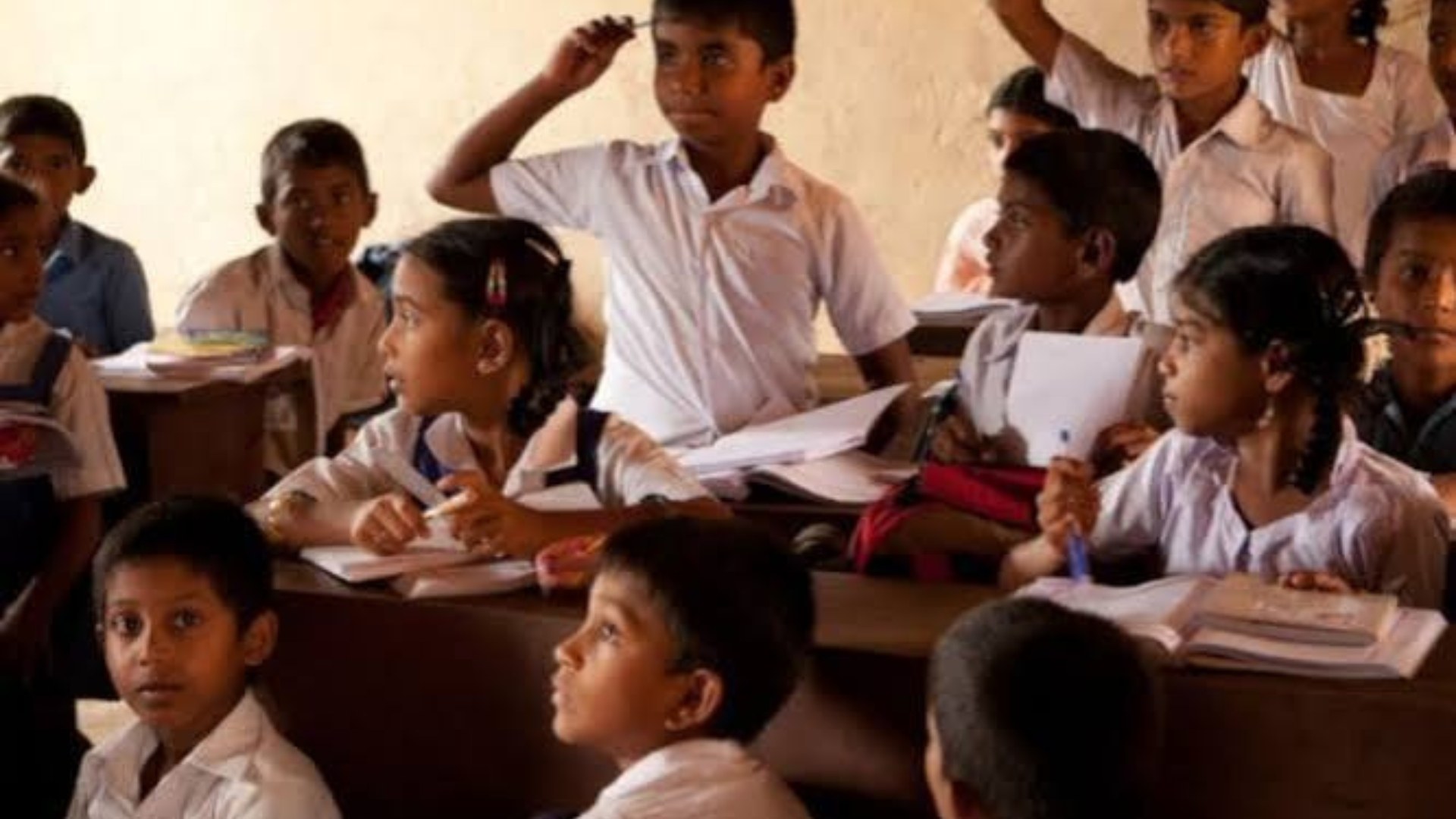
Corporal punishment continues in Indian classrooms despite a legal prohibition, with child rights activists pointing to social attitudes that treat physical punishment as an acceptable way to discipline children.

A case involving a 14-year-old student in Chennai illustrates the problem. Anamika (name changed), a Class 9 student at a government girls' school, reportedly stopped attending classes for a week after her mathematics teacher repeatedly hit students. Her mother, Anu, said the teacher physically punished her daughter after she missed classes due to illness and failed to complete an assignment.
When the mother considered filing a complaint, the teacher allegedly threatened to fail the student. The situation changed only after several parents indicated that they would approach the police. The teacher then stopped hitting students.
Why does corporal punishment continue?
Child rights activists say that social acceptance of physical punishment remains a major obstacle. In many settings, hitting children is still viewed as a disciplinary measure rather than violence. Fear of retaliation, concerns about academic consequences and limited awareness of complaint mechanisms can also make it difficult for students and parents to report incidents.
What does the law say?
Section 17 of the Right of Children to Free and Compulsory Education (RTE) Act, 2009, prohibits physical punishment and mental harassment of children. Violations can invite disciplinary action under the applicable service rules. Government guidelines also call for schools to maintain environments free from violence and abuse.
The impact on children's health
The World Health Organization's 2025 report on corporal punishment links the practice to physical and mental health problems, impaired cognitive and socio-emotional development, and changes in brain structure and function. It also identifies harmful stress responses that can affect several biological systems.
The WHO has stressed that legal bans alone are not enough. Changing social attitudes, supporting teachers in using non-violent disciplinary methods and ensuring accessible reporting systems are also necessary to protect children.




0 comments
No comments yet. Yours would be the first.