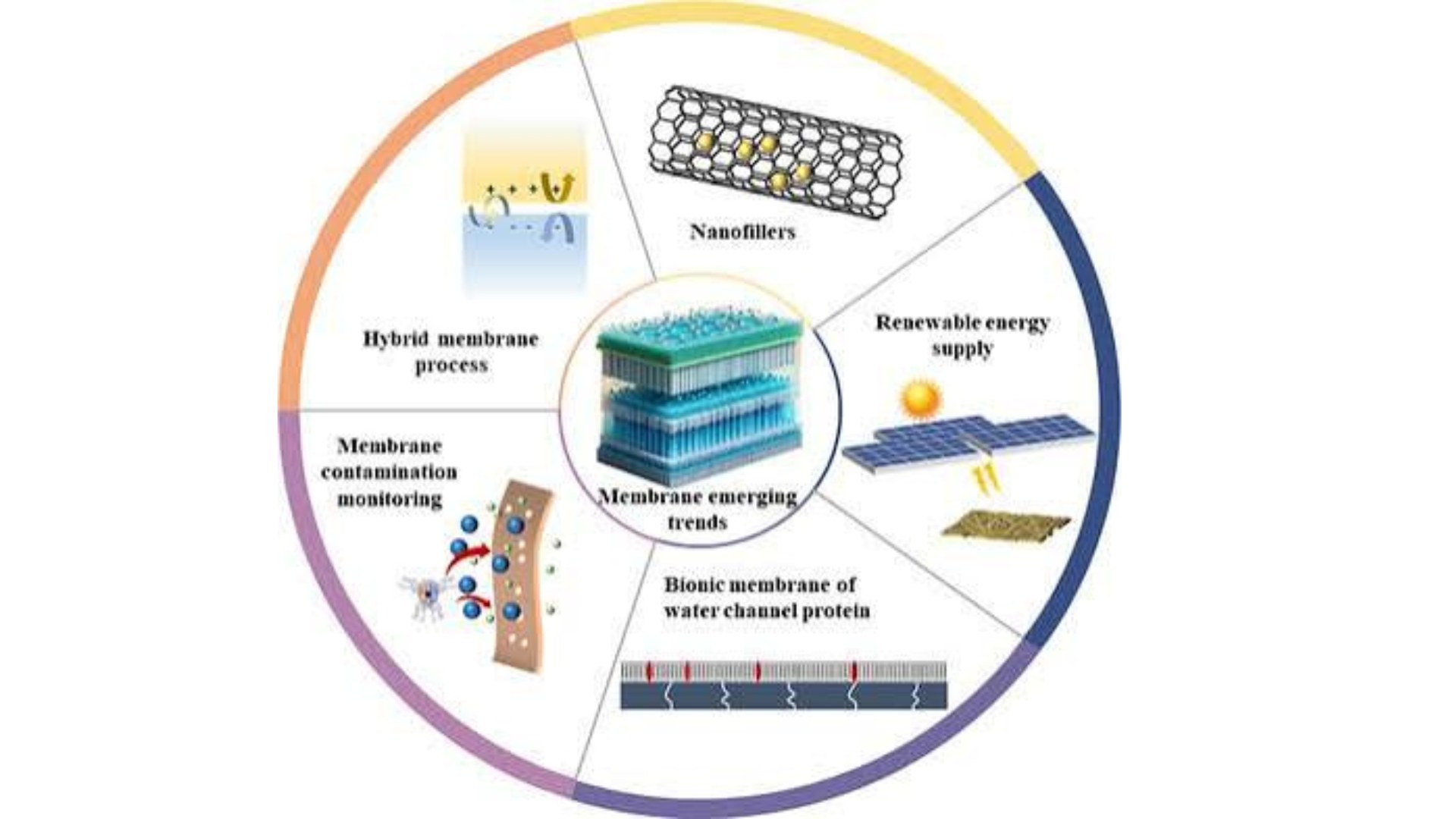
Researchers have developed a technique that allows the spacing between layers in two-dimensional material membranes to be adjusted precisely and reversibly. The approach could help scientists design membrane materials for different applications, including energy conversion, storage and pressure sensing.

The study, titled Two-dimensional material membranes with precisely tunable interlayer spacing from nanometre to submillimetre, was published in the journal Nature Materials on November 16, 2026. The research was conducted by scientists affiliated with institutions including Nanjing University of Aeronautics and Astronautics, Anhui University, Chengdu University and Hubei University of Automotive Technology in China.
A method to control membrane structure
The researchers used a deprotonation–ion coordination strategy to modify the distance between layers in membranes made from layered materials.
In simple terms, removing protons from cellulose nanofibres placed between the layers creates electrostatic repulsion, causing the layers to move apart. The spacing can then be reduced through coordination with positively charged ions, allowing the researchers to regulate the structure in a reversible manner.
The team reported that interlayer spacing could be adjusted from 1.39 nanometres to 152,000 nanometres. Membrane porosity ranged from zero to 78%, while membrane thickness could be varied from 43 to 5,400 micrometres.
Potential applications in energy and sensing
The researchers demonstrated different performance improvements by adjusting the membrane structure.
A small expansion in spacing to 1.48 nanometres increased zinc-ion capacitance by 67% compared with a non-expanded membrane. In another experiment, expanding the spacing to approximately 30 micrometres increased osmotic energy conversion power by 63%.
A much larger expansion, to around 140 micrometres, enabled the membrane to demonstrate pressure-sensing capabilities.
Scope for future materials research
The findings suggest that a single membrane platform could be adapted for different functions by changing its internal structure. This could offer researchers greater flexibility when developing materials for energy-related devices and sensing systems.
However, the reported results are experimental demonstrations. Further research will be needed to assess durability, scalability, manufacturing costs and performance under practical operating conditions.






0 comments
No comments yet. Yours would be the first.