
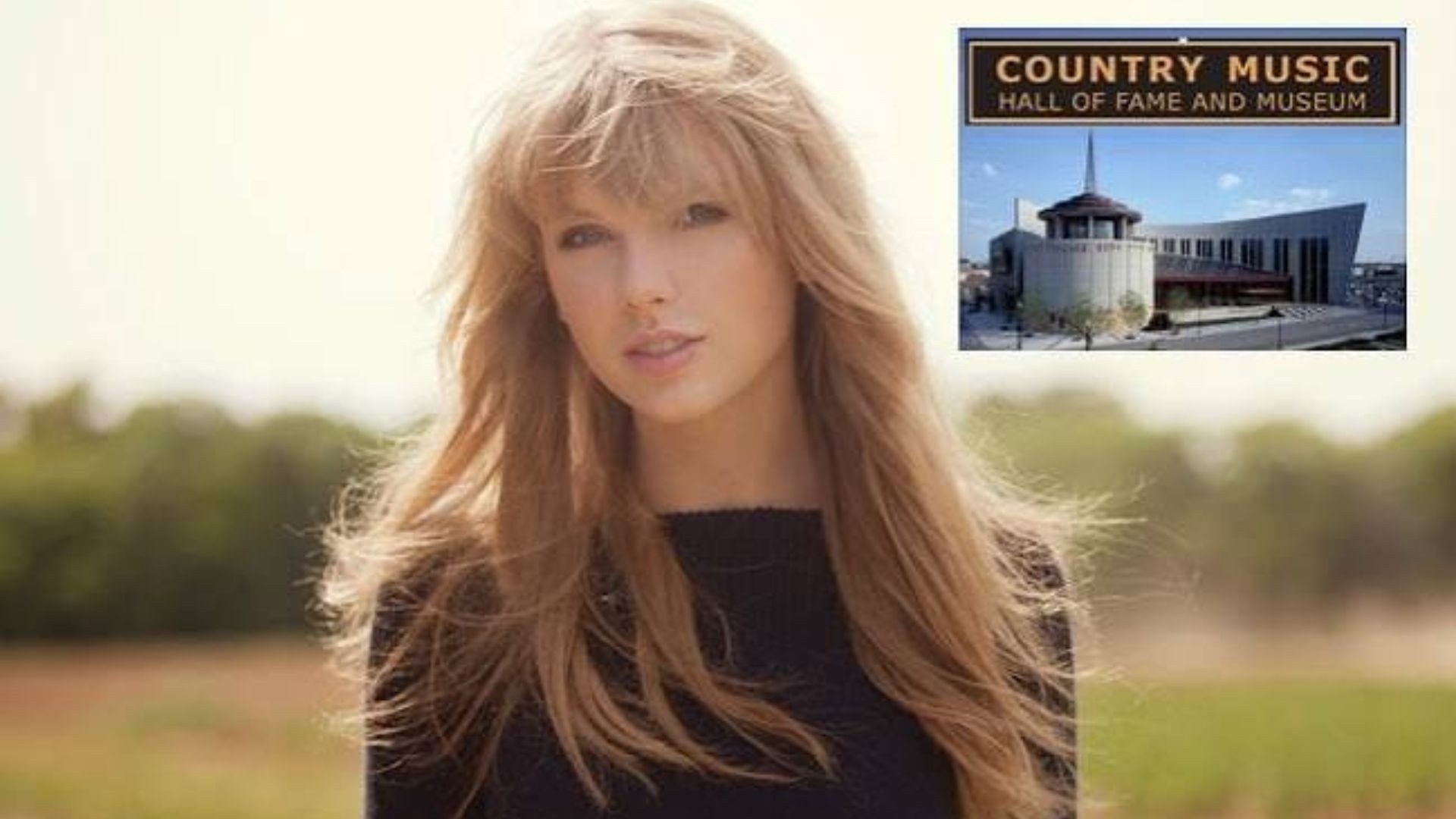
Taylor Swift is widely known for her record-breaking albums and global tours, but one of her notable contributions away from the stage dates back to 2012. That year, the singer donated $4 million to Nashville’s Country Music Hall of Fame and Museum to help establish an education center that now carries her name. More than a decade later, the museum reported that its education programs reached over 125,000 participants through more than 2,000 programs in 2025.

Announced in May 2012, Swift’s donation supported the museum’s $75 million Working on a Building campaign, which aimed to expand its Nashville facility. At the time, the museum described the contribution as the largest capital gift from an individual artist in its 45-year history. The money was intended to fund the Taylor Swift Education Center and expand opportunities for students, families and other visitors to engage with music and the arts.
The center was designed to increase the museum’s educational capacity, building on work that had already been underway for decades. Since 1979, its Words & Music program has connected professional songwriters with school classrooms to help students explore songwriting and creative expression. The new facility provided additional space for these activities and other learning initiatives.
Today, the Taylor Swift Education Center spans 7,500 square feet across two floors. Its facilities include a gallery, classrooms, a studio and a videoconference lab. The museum offers curriculum-linked activities for school groups, sessions for toddlers, and music and art programs for families. Its gallery also features work by Swift and other artists, alongside artwork created by young people and members of the community.
The center has also become a space for student creativity and public participation. Since 2014, students from Metro Nashville Public Schools have displayed artwork there inspired by visits to the museum. Visitors can record videos in a dedicated booth, choose from four songs and share their recordings on social media. The facility also includes a KultureCity sensory room designed to provide a more comfortable environment for visitors with sensory sensitivities.
According to the museum’s 2026 press release, more than 125,000 people participated in over 2,000 education programs during 2025. These figures include in-person and virtual activities across the museum’s broader educational work. Many on-site programs began at the Taylor Swift Education Center, although the numbers do not represent activity generated by the center alone. The museum’s education initiatives existed before the facility opened, and Swift’s donation helped expand that established work rather than create it from scratch.
Research has also explored the wider value of learning through music. A 2010 review by Susan Hallam of the University of London, published in the International Journal of Music Education, examined music-making and its potential links to language, literacy and social development among children and young people. The review suggested that positive personal and social outcomes depend in part on musical activities being enjoyable and rewarding. However, this general research does not measure the specific impact of programs at the Nashville museum.
The center’s hands-on approach reflects that broader educational idea by giving participants opportunities to write songs, make art and experiment with recording. These activities offer practical ways to engage with music beyond simply listening to it.
Swift’s 2012 contribution did not begin music education at the Country Music Hall of Fame and Museum, but it helped provide the work with a dedicated, named facility. The museum’s reported 2025 participation figures illustrate the scale of its current education activities, while also highlighting the role that cultural institutions can play in connecting music, creativity and learning.



0 comments
No comments yet. Yours would be the first.