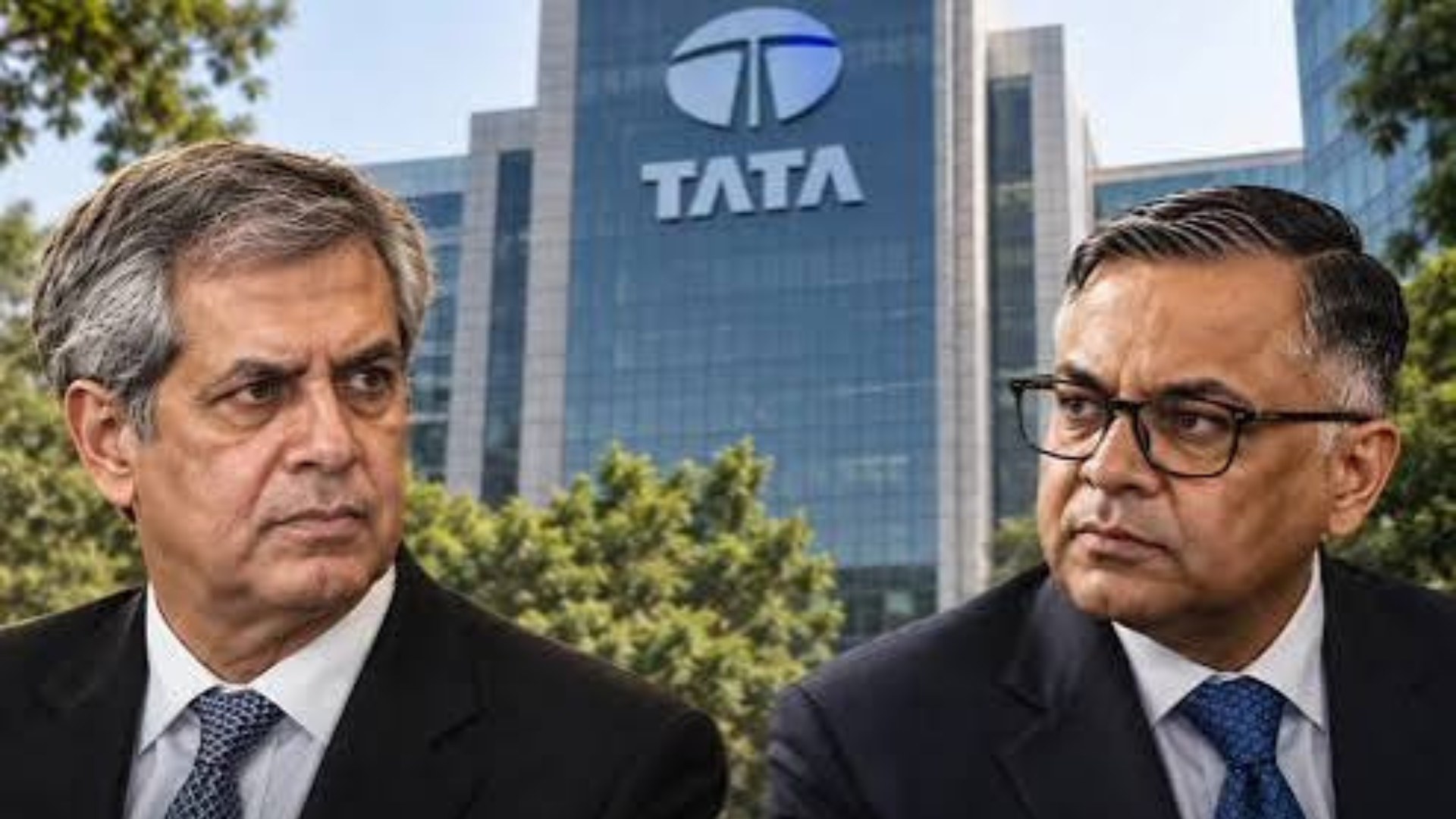
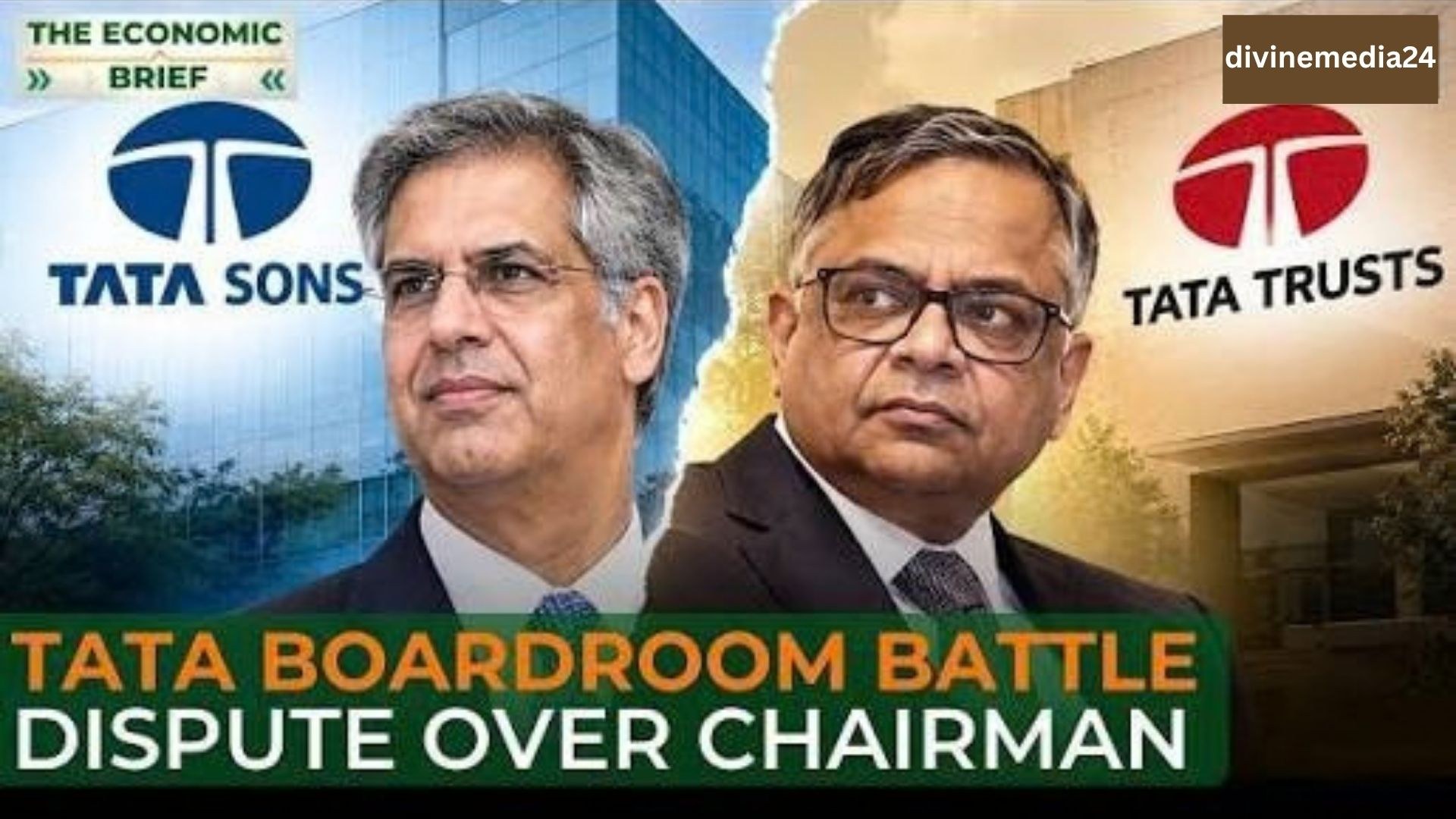
A dispute within Tata Trusts has intensified after vice chairmen Vijay Singh and Venu Srinivasan issued a detailed response to outgoing trustee Darius Khambata’s criticism of Tata Sons’ regulatory engagement, proposed listing and governance.

In a letter dated November 11, the two trustees challenged Khambata’s account, describing it as incomplete in several important respects. They also questioned whether opposition to listing was driven by concerns about preserving the Tata Group’s institutional values or by a desire to retain control over Tata Sons.
Khambata had written to Tata Trusts chairman Noel Tata on November 2 while declining reappointment as a trustee. He had raised concerns about Tata Sons’ dealings with the Reserve Bank of India (RBI), opposed the proposed listing and questioned the independence of trustees.
RBI Engagement and Listing Disagreement
Singh and Srinivasan said Tata Sons had engaged with the RBI from 2023 onwards. According to their letter, the discussions included repayment of debt and an application for deregistration submitted in March 2024. They argued that the regulator’s subsequent decision should not be interpreted as a failure of the company’s efforts.
The RBI has maintained Tata Sons’ classification under the upper-layer non-banking financial company (NBFC) framework, which carries a listing requirement. The vice chairmen rejected Khambata’s argument that a public listing would pose an existential threat to the Tata model.
They cited companies with foundation or trust-linked ownership, including Novo Nordisk, Hershey and TCS, to argue that public listing and long-term institutional objectives can coexist. They also said Tata Trusts would continue to hold shares and receive dividends after a listing.
Governance and Trustee Responsibilities
The disagreement also involves the responsibilities of Trust-nominated directors and the reappointment of Tata Sons chairman N Chandrasekaran. Singh and Srinivasan disputed Khambata’s interpretation of the Supreme Court’s Tata-Mistry judgment, arguing that nominee directors retain fiduciary responsibilities towards the company.
The exchange reflects wider divisions within Tata Trusts over corporate governance, regulatory compliance and the balance of authority between the charitable trusts and Tata Sons. The two sides continue to hold differing views on how the group’s ownership and governance structure should evolve.
Editor’s Note: This report has been picked up from Economic Times. Divinemedia24 do not claim ownership of this news, and all credit and copyright belong to the original publisher. It is shared for informational purposes only.




0 comments
No comments yet. Yours would be the first.