
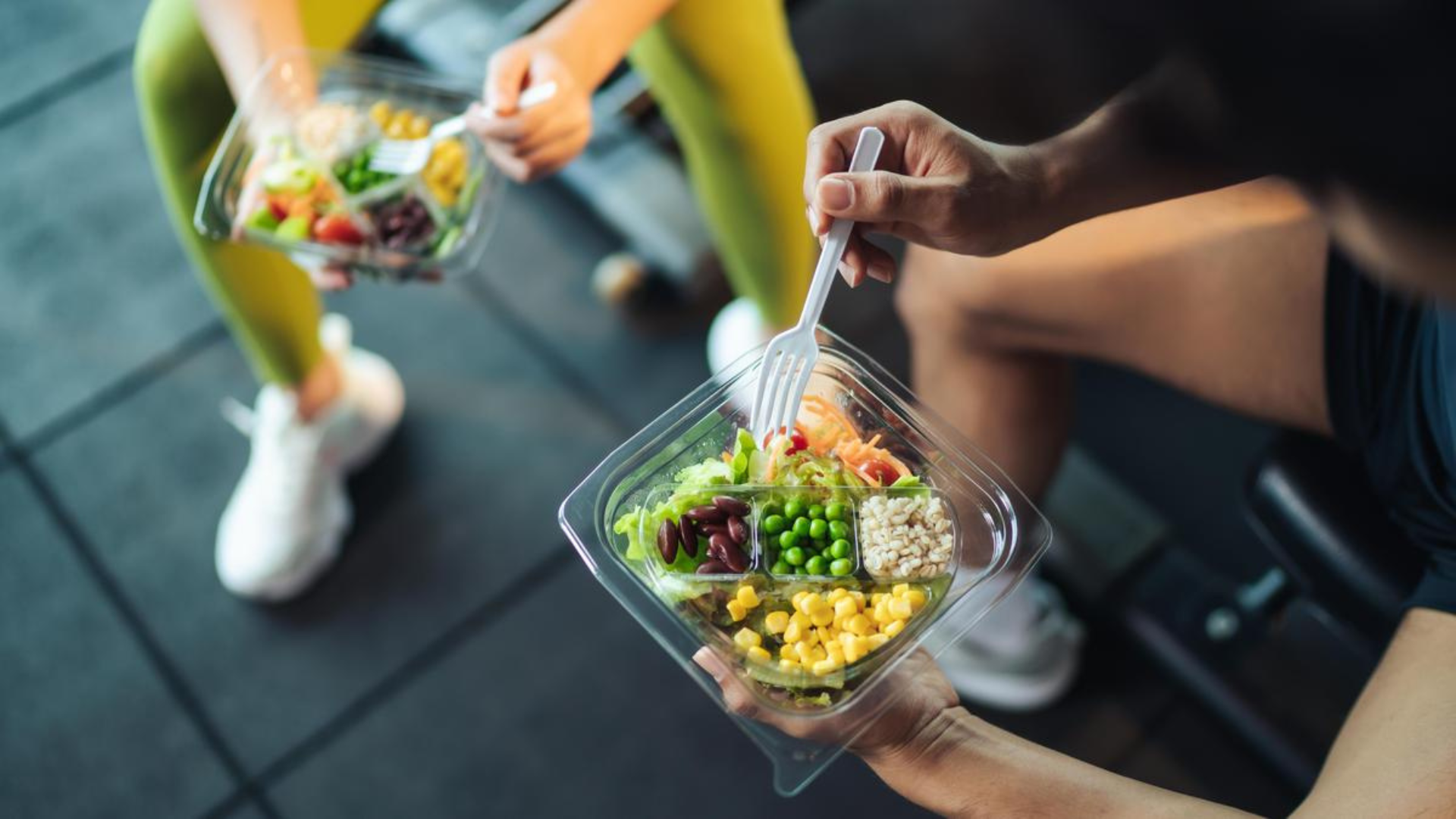
Five commercially available plant-based meat products showed higher percentages of potentially bioavailable protein than their chicken counterparts in laboratory digestion tests, according to research conducted by CSIR–Institute of Himalayan Bioresource Technology (CSIR-IHBT) and the Good Food Institute (GFI) India.
The findings, presented in New Delhi on October 26, highlight how food processing and product formulation can influence the proportion of protein potentially available for absorption. However, researchers cautioned that the results do not establish that plant-based meat is healthier than conventional chicken.
The study examined two plant-based burger patties, two seekh kebabs and one nugget product. Following cooking, the plant-based seekh kebabs recorded protein bioavailability figures of approximately 81% and 86%, compared with 39% for chicken. The plant-based burger patties recorded around 57% and 58%, against 21% for their chicken counterpart. The plant-based nugget registered approximately 61%, compared with 43% for chicken.
Researchers used an in vitro method that simulated aspects of human digestion under laboratory conditions. The process measured free amino acids passing through an ultrafiltration membrane intended to approximate intestinal absorption.
Despite the higher percentages, chicken products contained more crude protein and released more amino acids during digestion. The findings therefore concern the potentially bioavailable fraction measured under the test conditions, rather than the overall nutritional superiority of plant-based meat.
The research also examined indigenous pulses and millets, exploring how processing techniques such as fermentation, sprouting and pressure cooking could influence protein availability.
Researchers said further testing across additional products and laboratory settings would be necessary. Human studies would also be needed to establish how these findings translate into actual nutritional outcomes.




0 comments
No comments yet. Yours would be the first.