
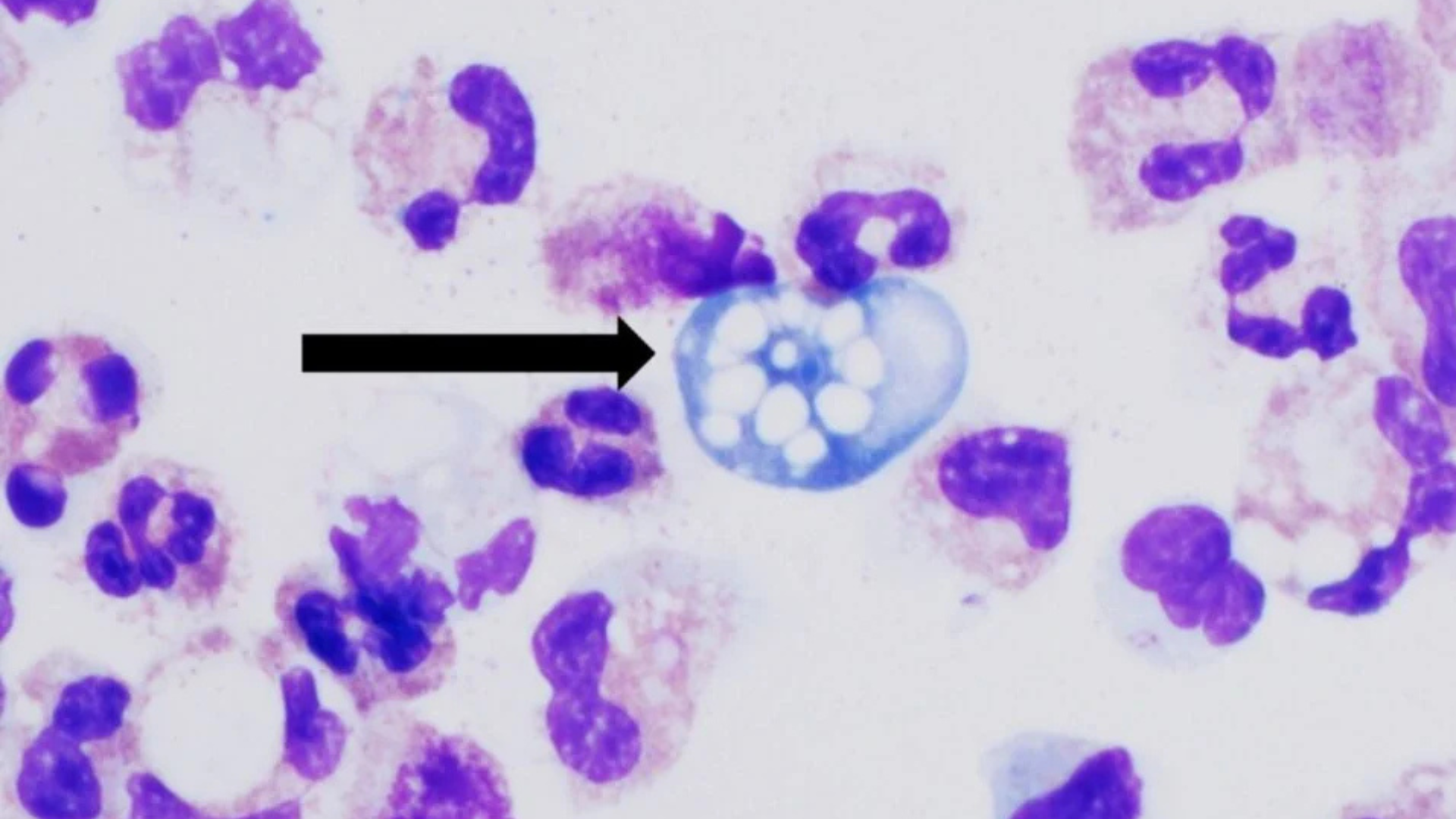
Researchers at the University of California, San Diego, have identified a marine-derived compound that could offer a new approach to treating infections caused by Naegleria fowleri, commonly known as the brain-eating amoeba.
The amoeba can cause primary amoebic meningoencephalitis (PAM), a rare infection of the brain that progresses rapidly and is fatal in more than 97% of reported cases. Infection can occur when contaminated water enters the nose, allowing the amoeba to travel towards the brain. Swallowing contaminated water does not typically cause this infection.
In a study published in the journal Marine Drugs, the UC San Diego team investigated rutamycin B, a compound isolated from a marine bacterium. Laboratory findings showed that it could kill multiple clinical strains of N. fowleri at low concentrations. The compound reached its full observed activity within approximately four hours, according to the university's research announcement.
The researchers also reported that the compound was more selective in its effects, largely sparing human cells in laboratory testing. This could be important because existing treatments for PAM can be toxic, while the infection may progress faster than treatment can effectively control it.
However, the discovery remains at an early research stage. Laboratory results do not establish whether rutamycin B is safe or effective in people, and further investigation is required before it could become a clinical treatment.
The findings may provide a starting point for developing new therapies, potentially alongside existing medicines. Given the speed and severity of PAM, researchers are investigating compounds that might act more quickly against the amoeba while causing less harm to human cells.
For now, rutamycin B should be considered an experimental research candidate, not an established treatment or cure.





0 comments
No comments yet. Yours would be the first.