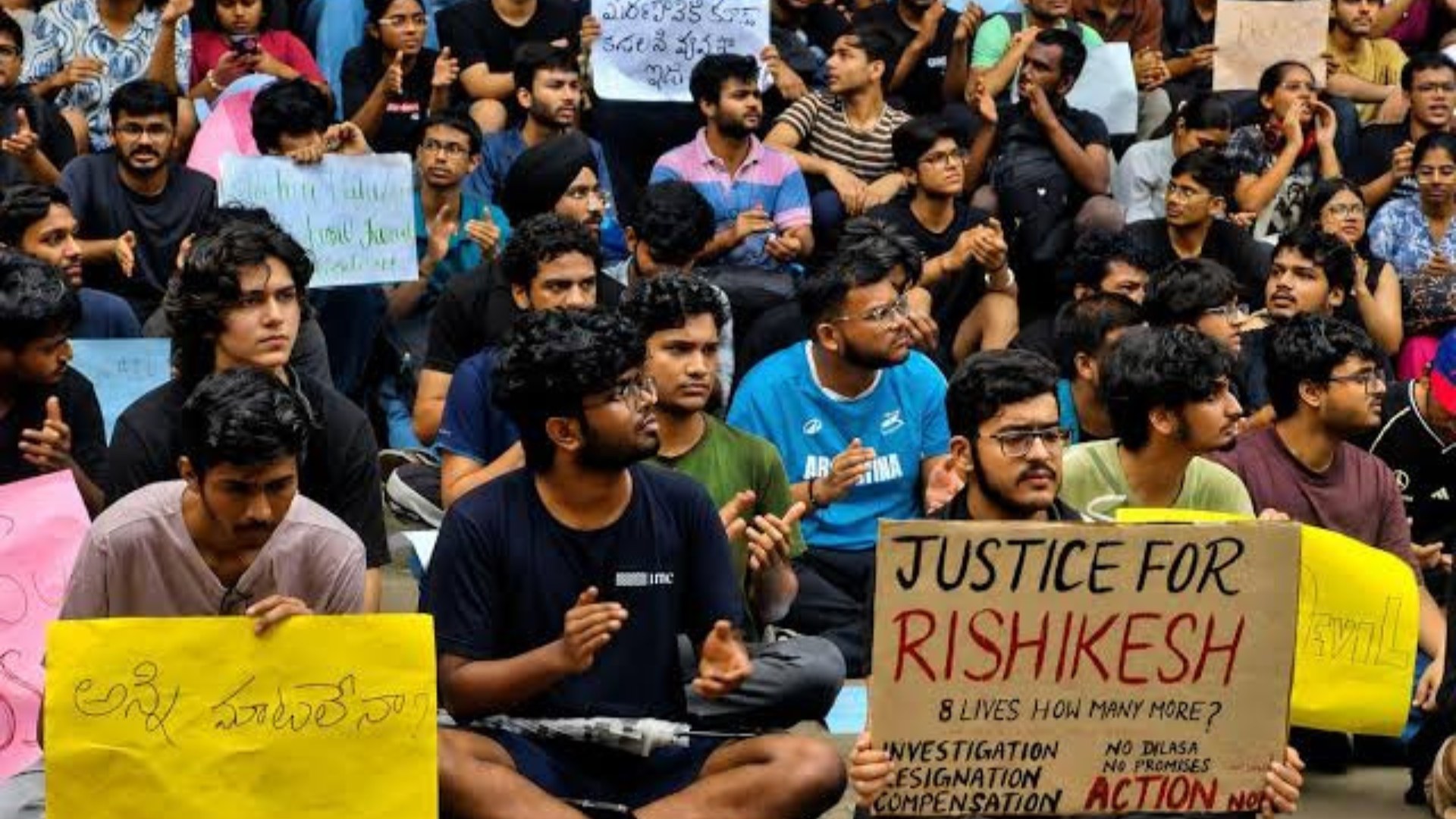
Recent student deaths and protests at some of India's leading higher education institutions have raised serious questions about campus safety, student welfare and the relationship between students and academic administrations.

Developments at IIT Delhi and IIT Bombay have brought these concerns into public focus. The protests have highlighted demands for independent investigations, greater transparency and accountability from institutional authorities. They have also raised questions about whether students feel comfortable approaching faculty members and administrators when facing academic or personal difficulties.
IIT Delhi and IIT Bombay: What Happened?
At IIT Delhi, the death of MSc student Rishikesh Kumar in August 2026 prompted campus protests. Students called for an independent inquiry into the circumstances surrounding his death and raised concerns about the institute's response to student welfare issues.
The institute subsequently formed an external inquiry committee chaired by retired Delhi High Court judge Justice Mukta Gupta. In November, IIT Delhi confirmed that the committee had submitted its report. However, the report was kept confidential, while the institute said its recommendations focused on reforms to mental health support and related institutional systems.
At IIT Bombay, the death of student Sahil Wakode in September led to protests and allegations by his family of caste-based discrimination and harassment. The institute denied that a complaint had been submitted by the student to its SC-ST cell or administration. The National Commission for Scheduled Castes subsequently conducted an inquiry and asked authorities to preserve relevant evidence while the police investigation continued.
Why Institutional Trust Matters
The issue extends beyond the formation of inquiry committees. Students and families also need confidence that investigations are independent, evidence-based and transparent, and that their findings lead to meaningful action.
Accessible grievance mechanisms, confidentiality in counselling, trained mental health professionals and responsive faculty support are important parts of a safe academic environment. Students should be able to raise concerns without fearing discrimination, humiliation or academic repercussions.
National Efforts to Address Student Distress
The Supreme Court constituted a National Task Force in March 2025 to examine student mental health and deaths by suicide in higher education institutions. Its work includes identifying contributing factors, reviewing existing institutional frameworks and recommending reforms.
In January 2026, the Supreme Court issued further directions concerning reporting, student welfare and institutional accountability. The task force has also undertaken consultations and field visits across higher education institutions.
The broader challenge for universities is to turn these recommendations into everyday institutional practices. Building trust requires more than committees and policy documents. It depends on whether students feel heard, supported and treated with dignity, and whether institutions respond consistently when concerns are raised.




0 comments
No comments yet. Yours would be the first.