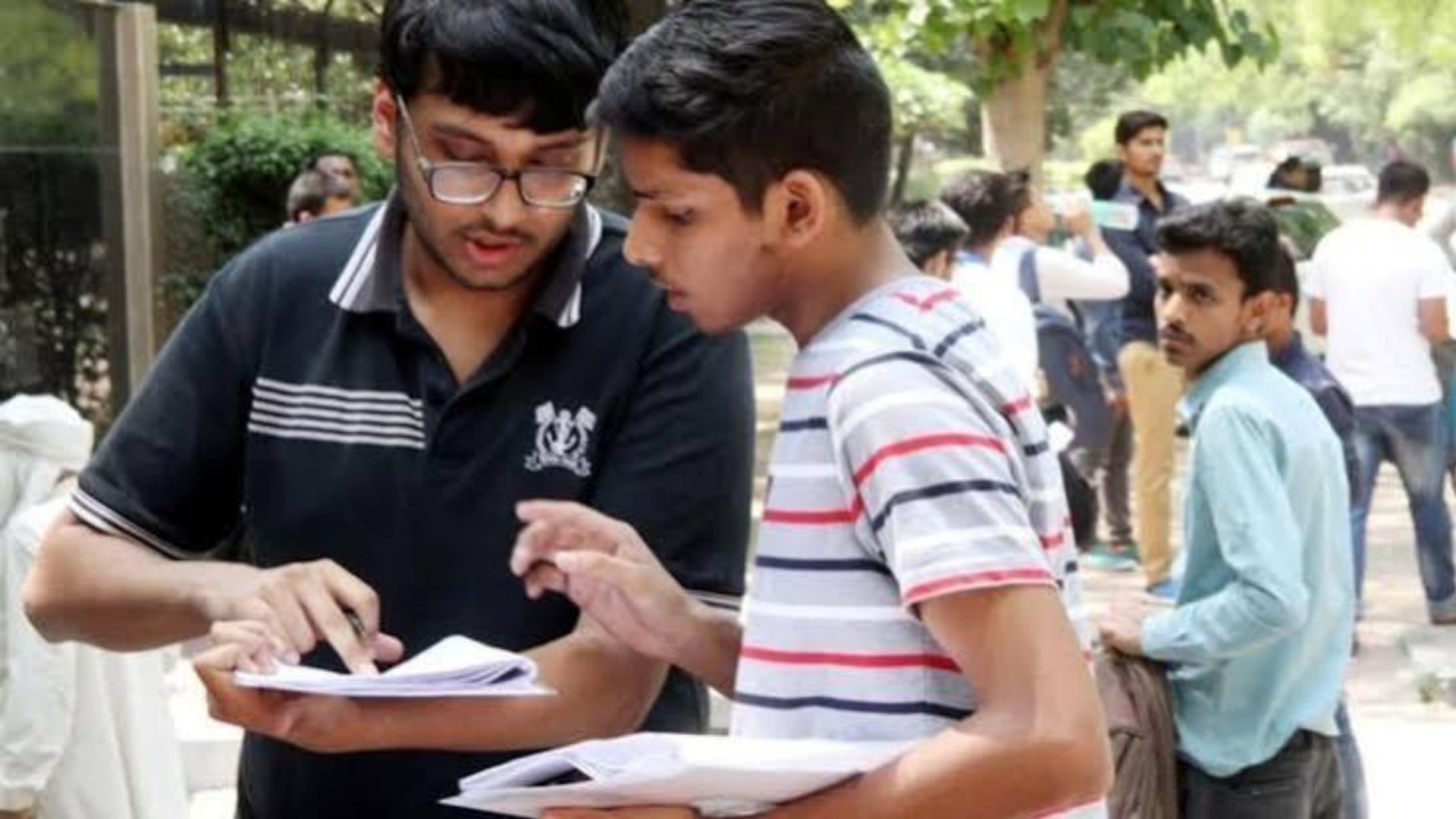
An online discussion about the value of an Indian Institute of Technology (IIT) education has reignited debate over whether academic success comes primarily from prestigious institutions or the students who enter them.

The conversation, examined the role of Joint Entrance Examination (JEE) preparation, peer groups, faculty and access to learning resources in shaping students' abilities.
Does JEE preparation make the difference?
Researcher Raj Dabre, who failed to clear the JEE initially before entering an IIT through the Graduate Aptitude Test in Engineering (GATE), described his entrance examination preparation as one of the most difficult experiences of his academic journey.
He said the mathematical and scientific foundation developed during preparation helped him handle complex problems during his undergraduate studies.
The discussion suggested that the demanding preparation process can build problem-solving skills, although students do not necessarily need to clear the JEE to develop those abilities.
The availability of online courses, educational videos and open learning resources has made quality technical education more accessible. Educators such as Andrew Ng and Andrej Karpathy were cited as examples of people offering valuable learning material online.
However, participants also pointed out that online resources cannot completely replace the campus experience. Access to laboratories, specialised equipment, experienced faculty and academically driven peers can make a significant difference, particularly in engineering disciplines beyond computer science.
The importance of research opportunities
The discussion also touched on India's position in global AI research. Participants highlighted limited research funding and the movement of Indian researchers to institutions abroad as factors affecting the country's research ecosystem.
The broader argument is that an institution's reputation alone does not guarantee individual success. Students' preparation, learning environment, access to resources and opportunities to conduct research all contribute to academic and professional development.








0 comments
No comments yet. Yours would be the first.