
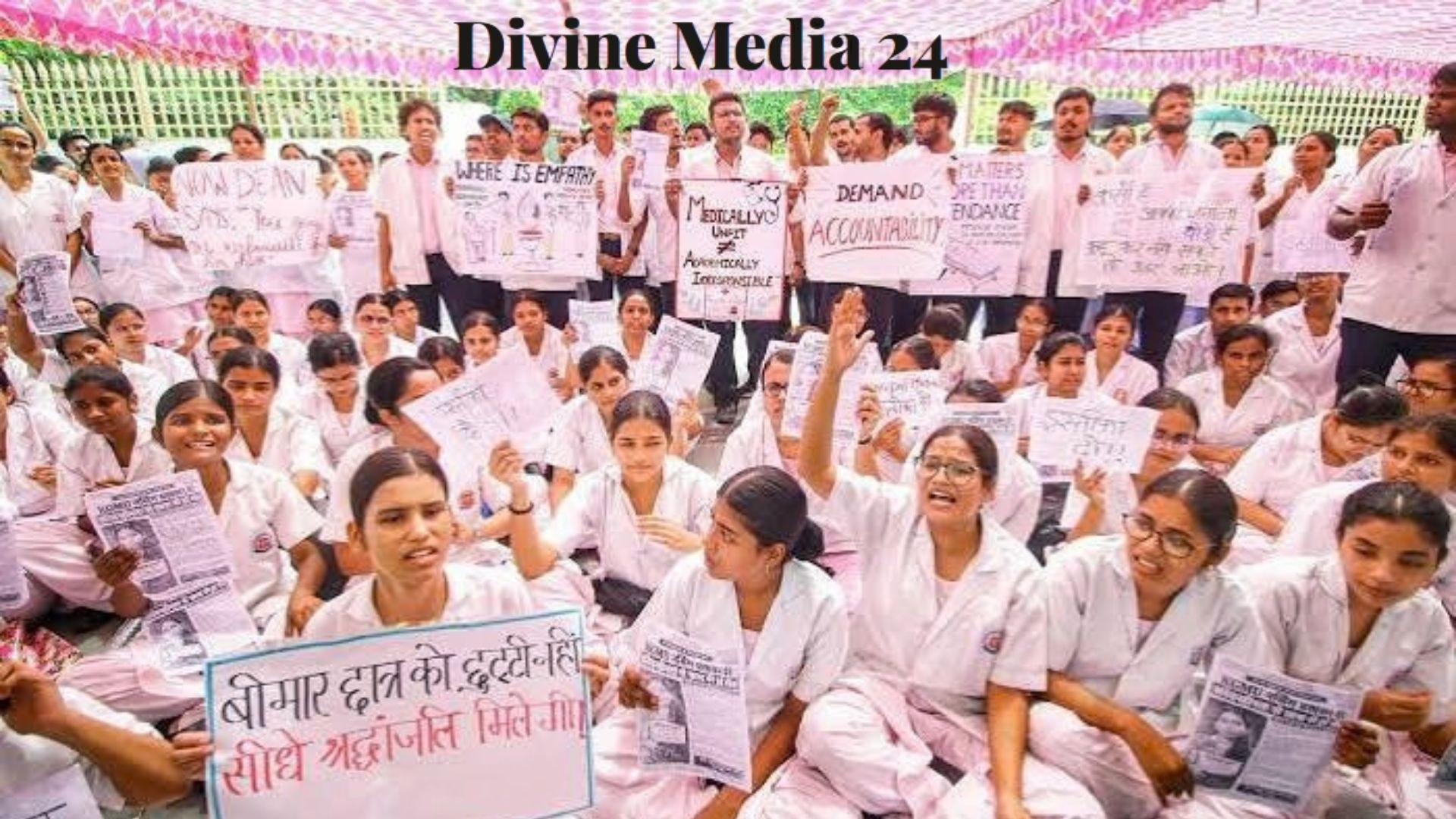
The pressure to meet college attendance requirements has raised concerns about students being forced to choose between their health and academic responsibilities. The issue came into focus on September 21, 2026, when students at King George’s Medical University (KGMU) in Lucknow protested following the death of Divyanshi Yadav, a second-year B.Sc. Nursing student from the 2025 batch who died of dengue.

According to a report by PTI, a student at the protest said Divyanshi had been worried about her attendance despite being seriously ill. The student also alleged that students were expected to attend classes even when unwell, with some receiving messages from teachers asking them to come to college after taking medication.
Under the University Grants Commission’s 2025 regulations, individual higher education institutions can determine their minimum attendance requirements. Many institutions generally require students to maintain 75% to 80% attendance, with a reported 10% accommodation for medical emergencies.
However, concerns arise when attendance policies are applied without sufficient consideration for serious illnesses and medical circumstances. Students may feel compelled to attend classes while sick to avoid falling short of the required percentage, potentially placing their well-being at risk.
The incident has renewed attention on how colleges balance classroom participation and academic discipline with students’ health needs. Clear medical leave policies, transparent attendance rules and reasonable accommodations during serious illness are important considerations for higher education institutions.
Attendance is an essential part of academic engagement, but students should also have a clear understanding of the procedures available when illness prevents them from attending classes. Institutions face the challenge of ensuring academic standards while responding appropriately to genuine medical emergencies.




0 comments
No comments yet. Yours would be the first.