
The National Testing Agency (NTA) is strengthening its examination security framework by empanelling more than 5,000 academicians, scientists, researchers, educators and translators. The measures follow the NEET UG 2026 paper leak controversy and aim to improve question paper preparation, verification and confidentiality.

The empanelled experts are expected to assist with question setting, translation, vetting, answer-key verification, curriculum mapping and psychometric validation. The agency is also developing a large question bank from which questions can be selected closer to examination dates, reducing the risk of final question papers being accessed in advance.
The expert selection process reportedly includes verification of academic qualifications, professional experience and research credentials. Selected individuals will also have to sign non-disclosure agreements before handling examination-related assignments. As part of the restructuring, the NTA has reportedly removed around 600 subject experts.
Meanwhile, the Centre has extended the tenure of a six-member task force headed by Infosys co-founder Nandan Nilekani until January 2027. The panel is reviewing the broader examination system and has reportedly received more than 50,000 suggestions from students, parents, teachers and other stakeholders.
Its recommendations are expected to cover proposals such as a secure digital question vault, random question selection and improvements to examination infrastructure. The panel has also consulted former ISRO chairman K Radhakrishnan.
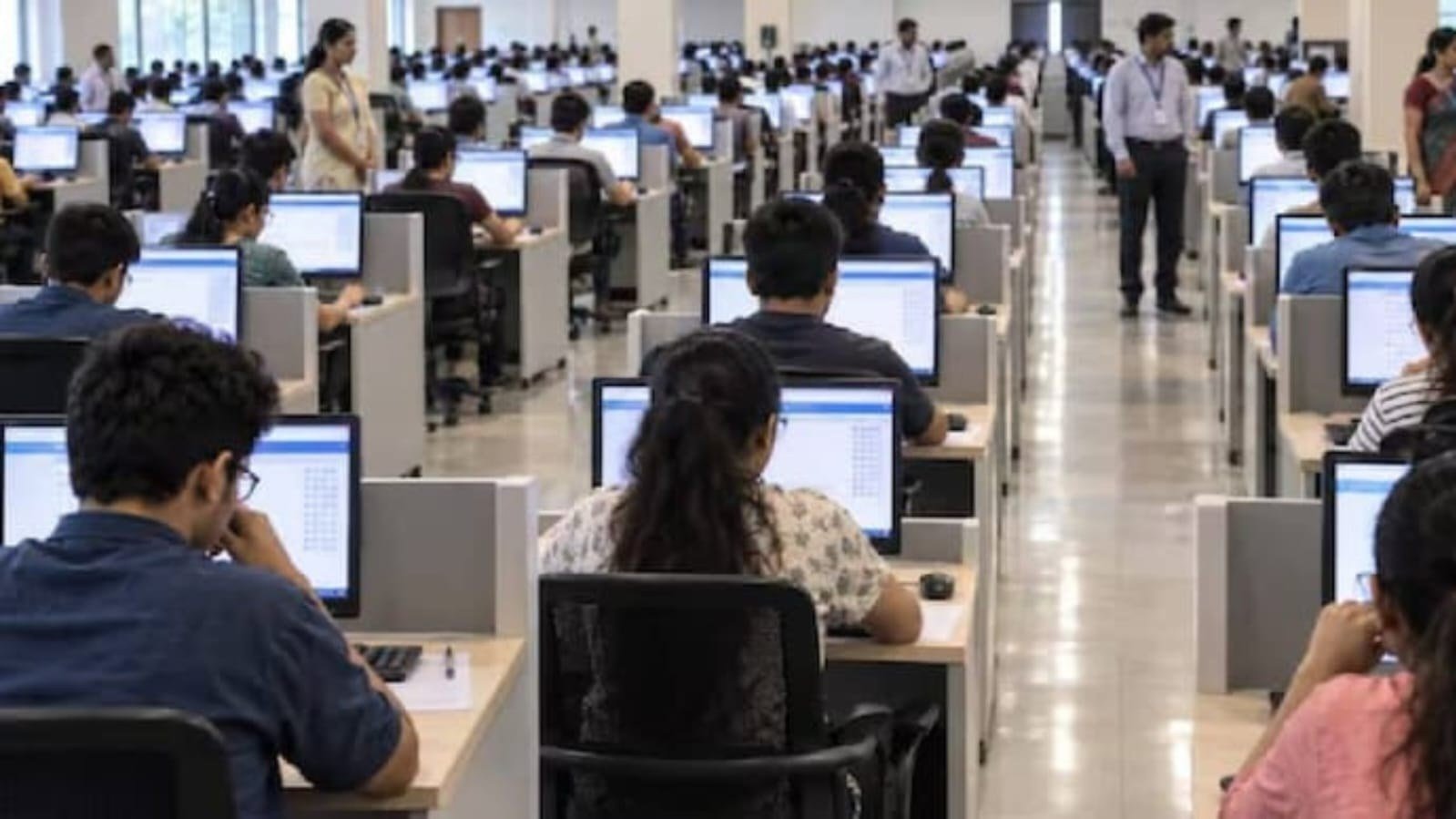
Another significant change concerns NEET UG, which the Centre has announced will move to the computer-based testing (CBT) format from 2027.
The reforms could affect millions of candidates appearing for national examinations such as NEET UG, JEE Main, CUET and UGC NET. Their effectiveness, however, will depend on how consistently security, transparency and accountability measures are implemented.






0 comments
No comments yet. Yours would be the first.