
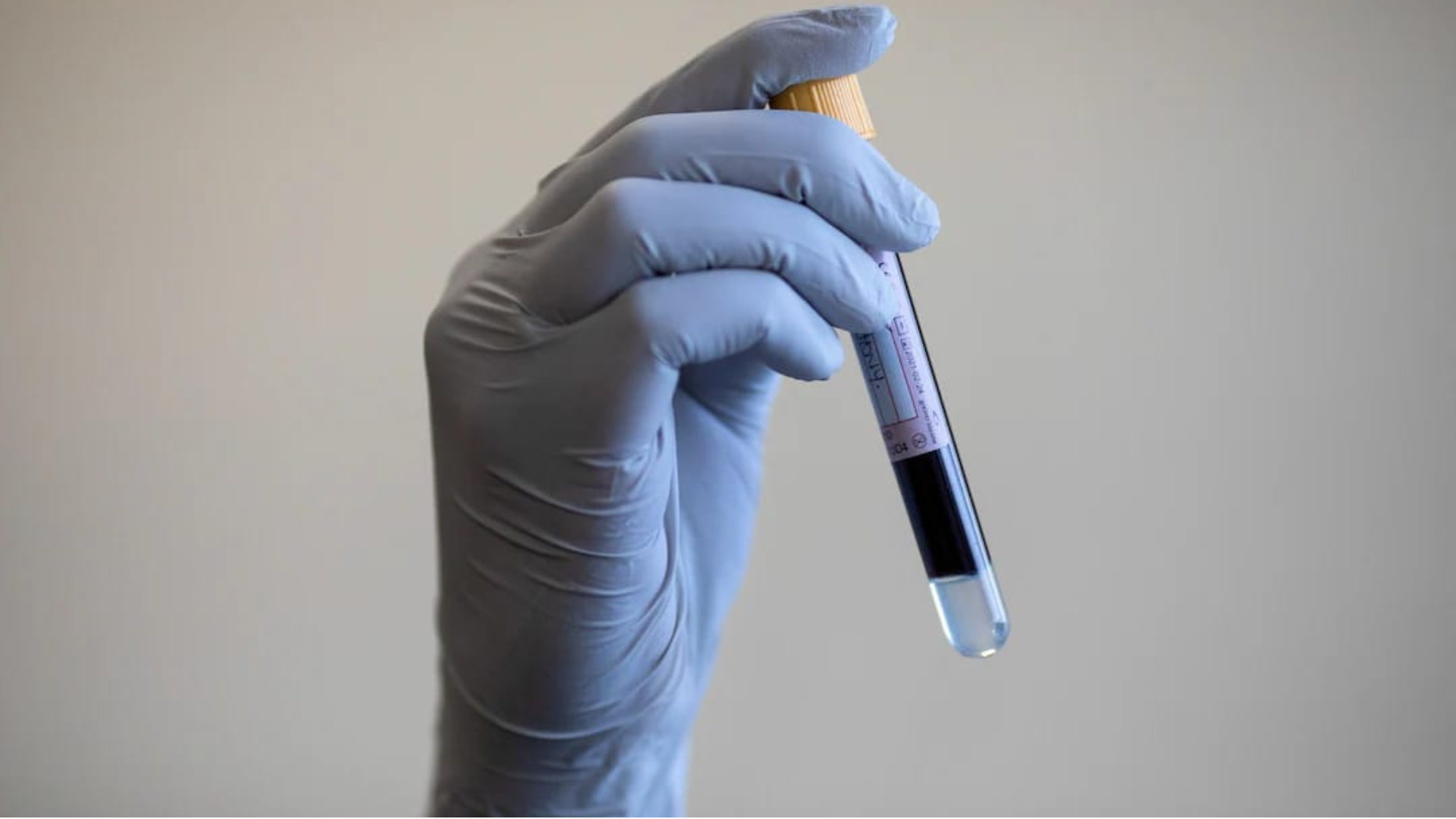
Researchers have identified a blood-based molecular signal that could help detect early warning signs of ovarian cancer before invasive tumours develop. The discovery may offer a new approach to identifying women at higher risk of the disease, which is frequently diagnosed after it has spread. The study, published in Nature Medicine, found that women with a precancerous condition known as serous tubal intraepithelial carcinoma (STIC) have elevated levels of an RNA molecule called Tu-Stroma in their blood. STIC involves microscopic abnormal changes in the lining of the fallopian tubes and is considered an important precursor to some ovarian cancers. Researchers found that the blood test detected STIC in 92.3% of affected women and correctly identified 98.2% of healthy women. Among women with inherited genetic risk factors for ovarian cancer, approximately 72% of positive results were accurate, while negative results were correct nearly 100% of the time. The findings could be particularly significant for women with inherited cancer risks who face difficult decisions about preventive surgery, including the removal of their fallopian tubes and ovaries. Study leader Rajan Gogna of the Hoag Family Cancer Institute in California said the research focused on identifying molecular warning signs before invasive cancer develops. Co-author Esha Madan said the discovery could eventually provide doctors with additional biological information when assessing the need for preventive surgery. However, the findings represent a research development rather than an established screening method. Further validation and clinical studies will be necessary before the test can be considered for routine medical use. The research offers a potential new direction in ovarian cancer detection by focusing on early molecular changes rather than waiting for visible tumours to develop.









0 comments
No comments yet. Yours would be the first.