
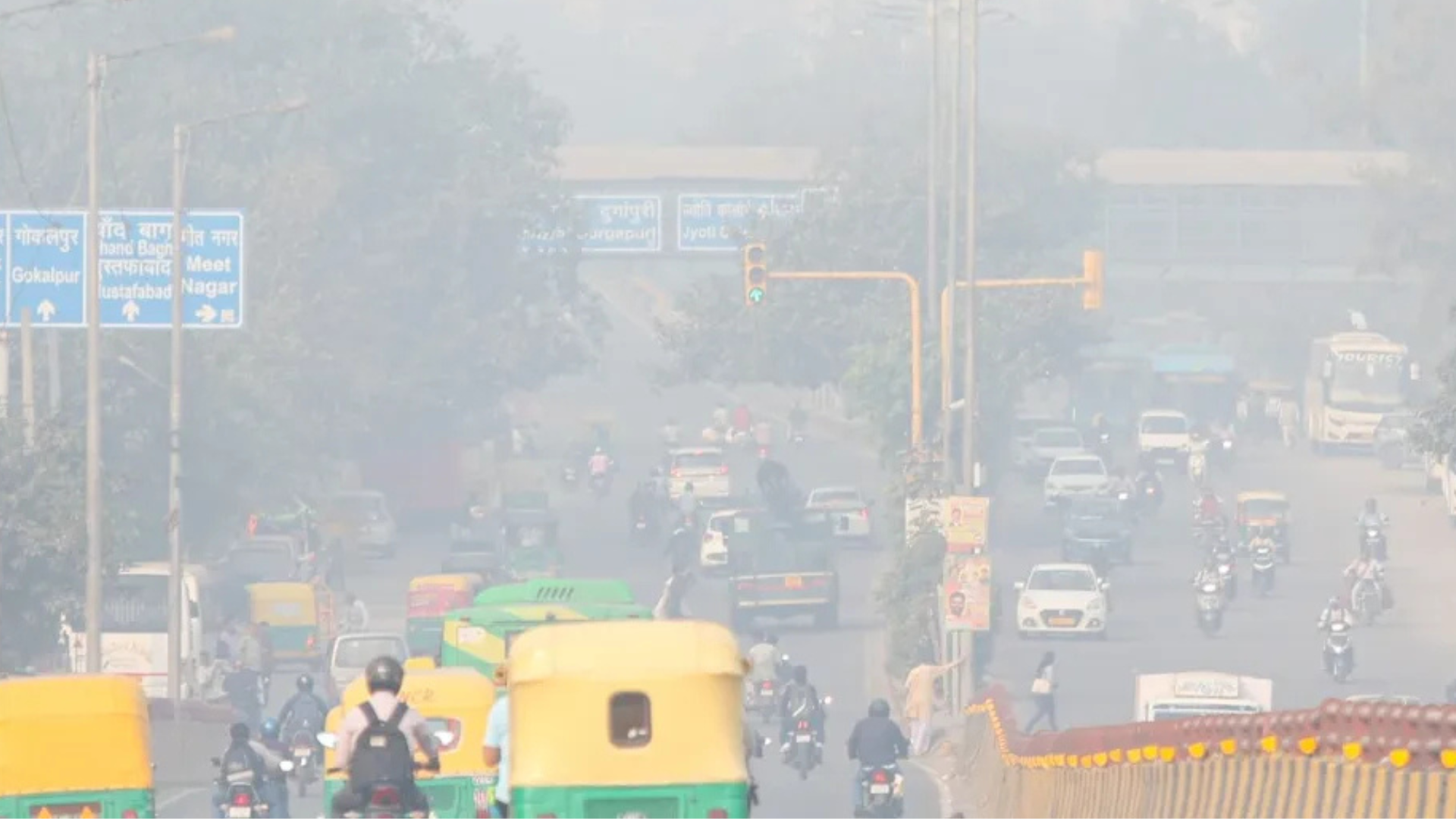
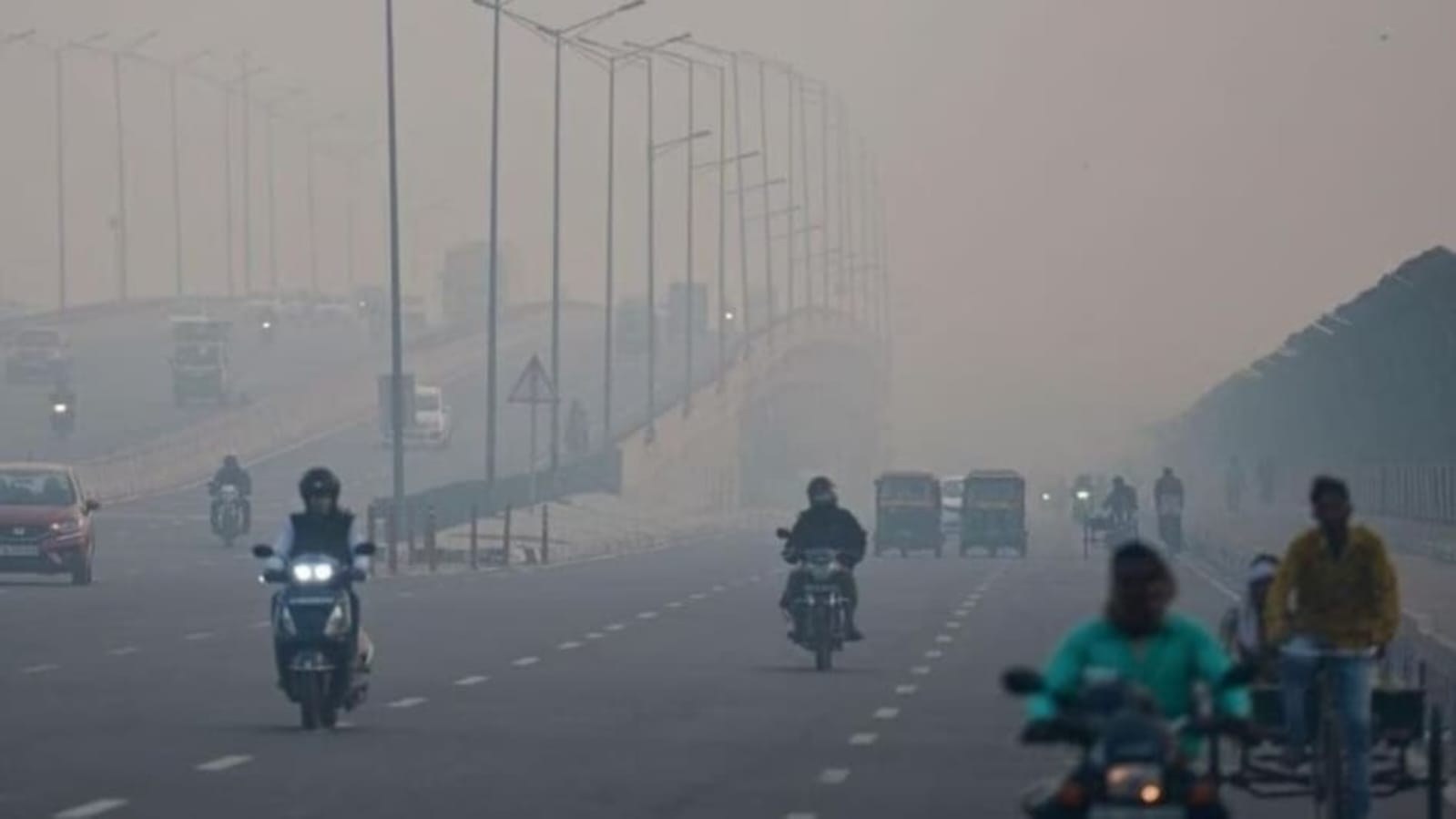
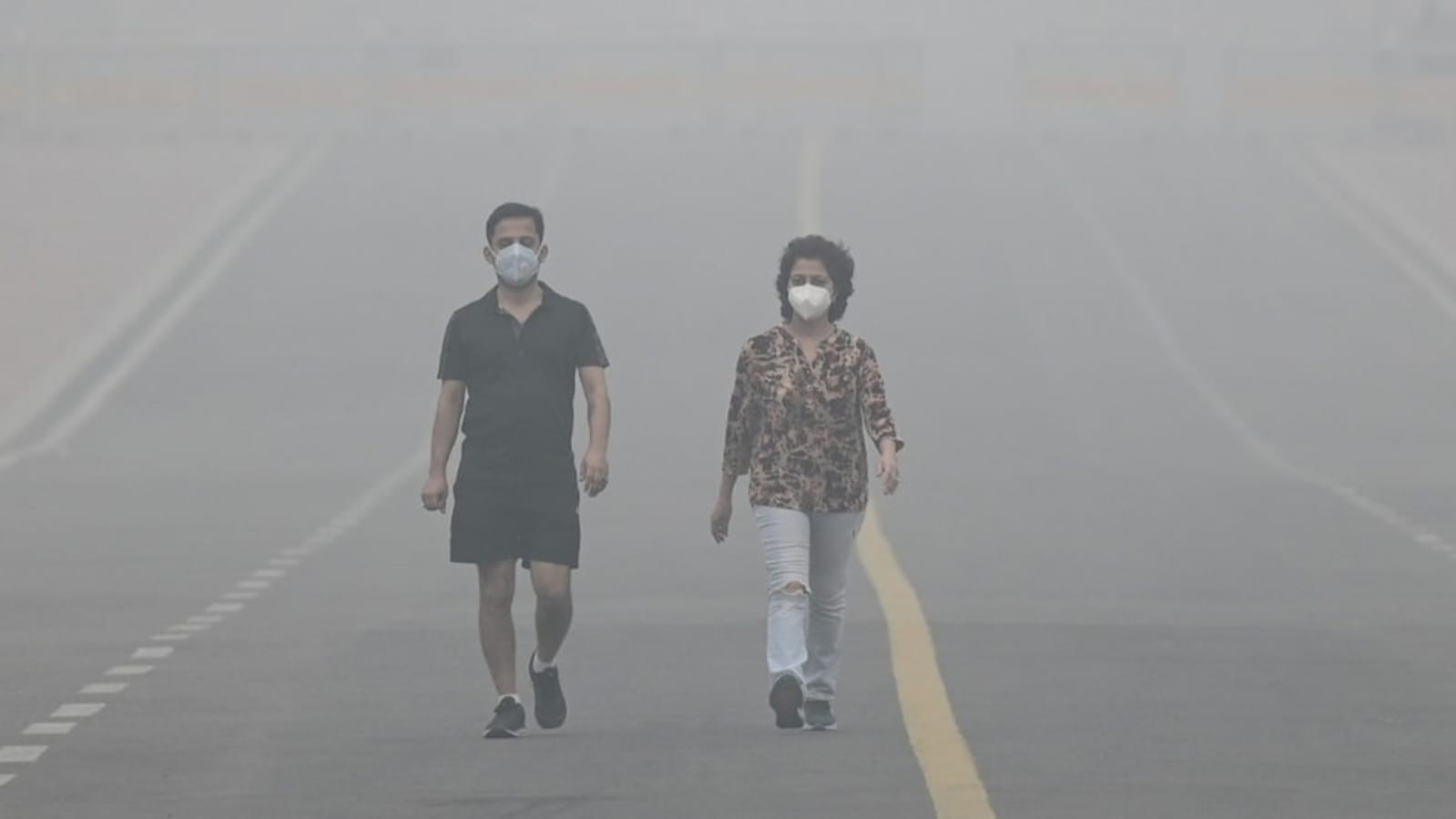
Air pollution may be contributing to India's growing diabetes burden, with research from Chennai and Delhi linking exposure to polluted air with an increased risk of developing type 2 diabetes. A study involving 12,064 adults from the two cities examined the relationship between exposure to fine particulate matter and blood sugar levels. Researchers found that people exposed to higher levels of air pollution were more likely to develop type 2 diabetes. The difference in pollution levels between the cities was significant. Between 2010 and 2016, the typical annual concentration of fine particulate matter around homes in Chennai was 40.2 micrograms per cubic metre, slightly above India's national standard of 40. In Delhi, the corresponding figure was considerably higher at 101.5 micrograms per cubic metre. The findings come amid a wider increase in elevated blood sugar levels across India. According to the National Family Health Survey figures cited in the report, 17.8% of women and 20.9% of men aged 15 and above had high blood sugar or were taking medication for the condition in 2023-24. This represents an increase from 13.5% of women and 15.6% of men recorded in the previous survey conducted during 2019-21. Household air pollution is another concern. Exposure to smoke from traditional cooking fuels may add to the health risks faced by people, particularly women who spend more time in cooking environments. However, the national health survey's published fact sheets did not include clean cooking fuel information, leaving an important gap in understanding household exposure. The findings highlight the need to consider environmental factors alongside diet, physical activity and other established diabetes risk factors.






0 comments
No comments yet. Yours would be the first.