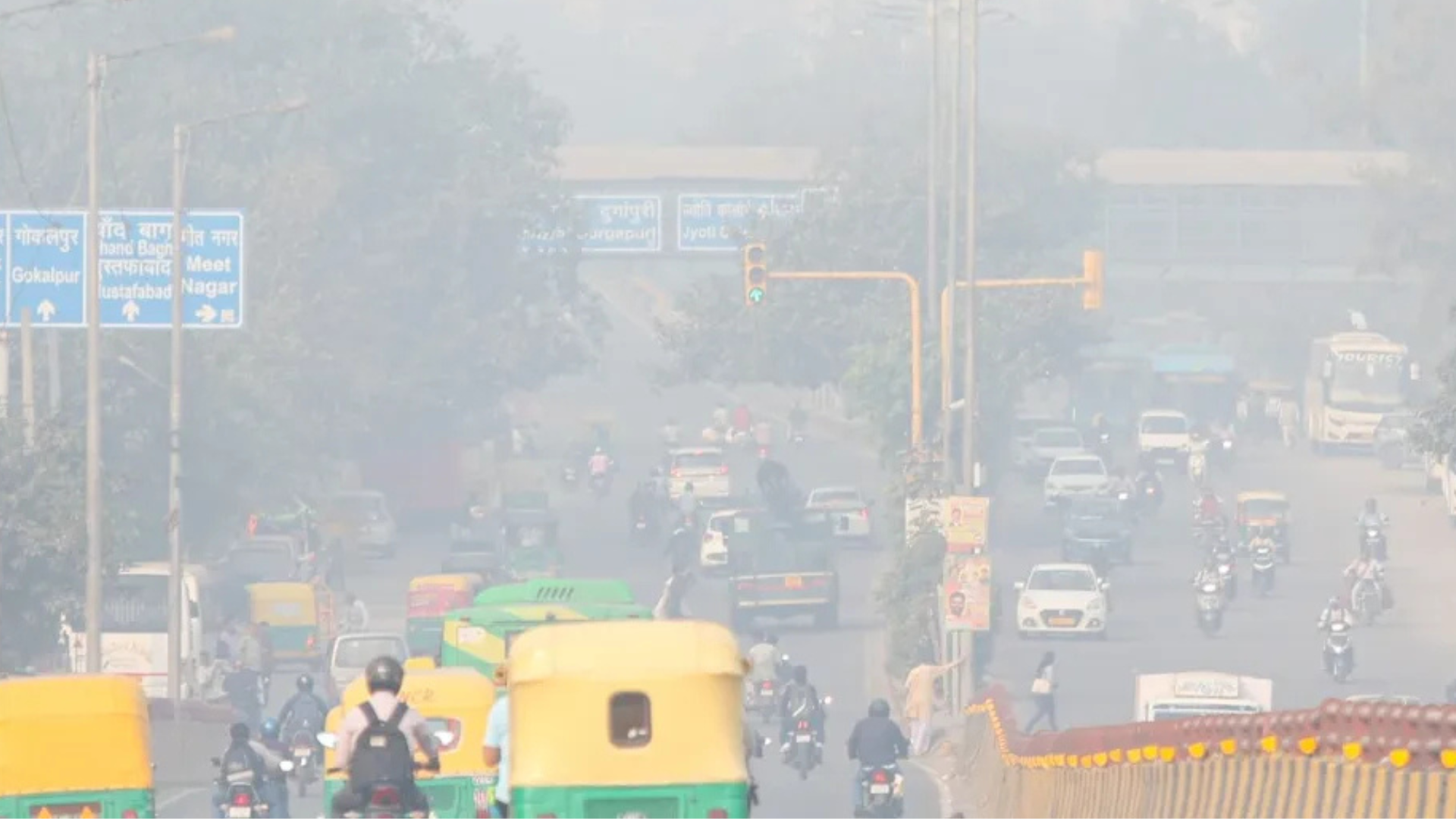
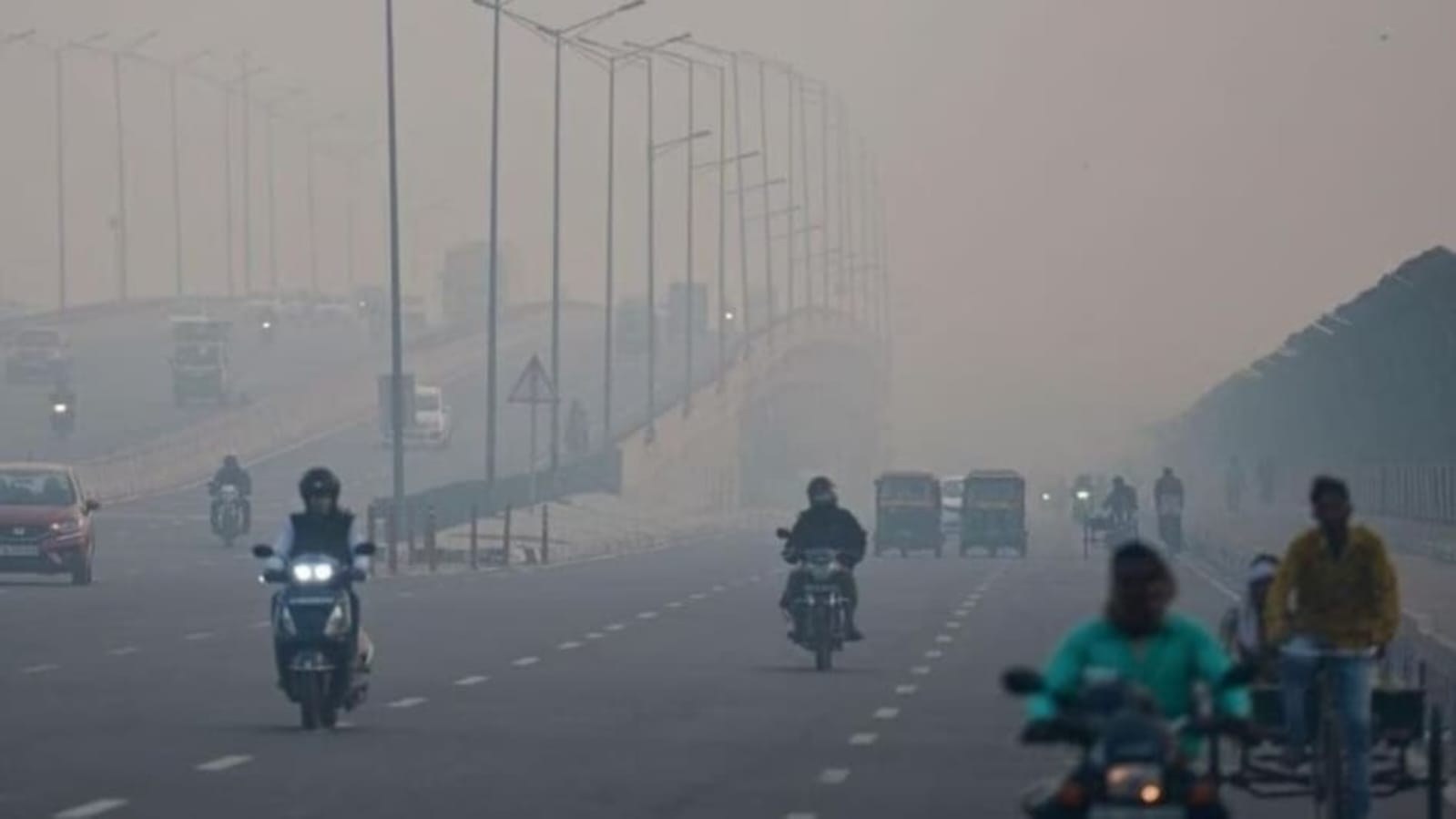
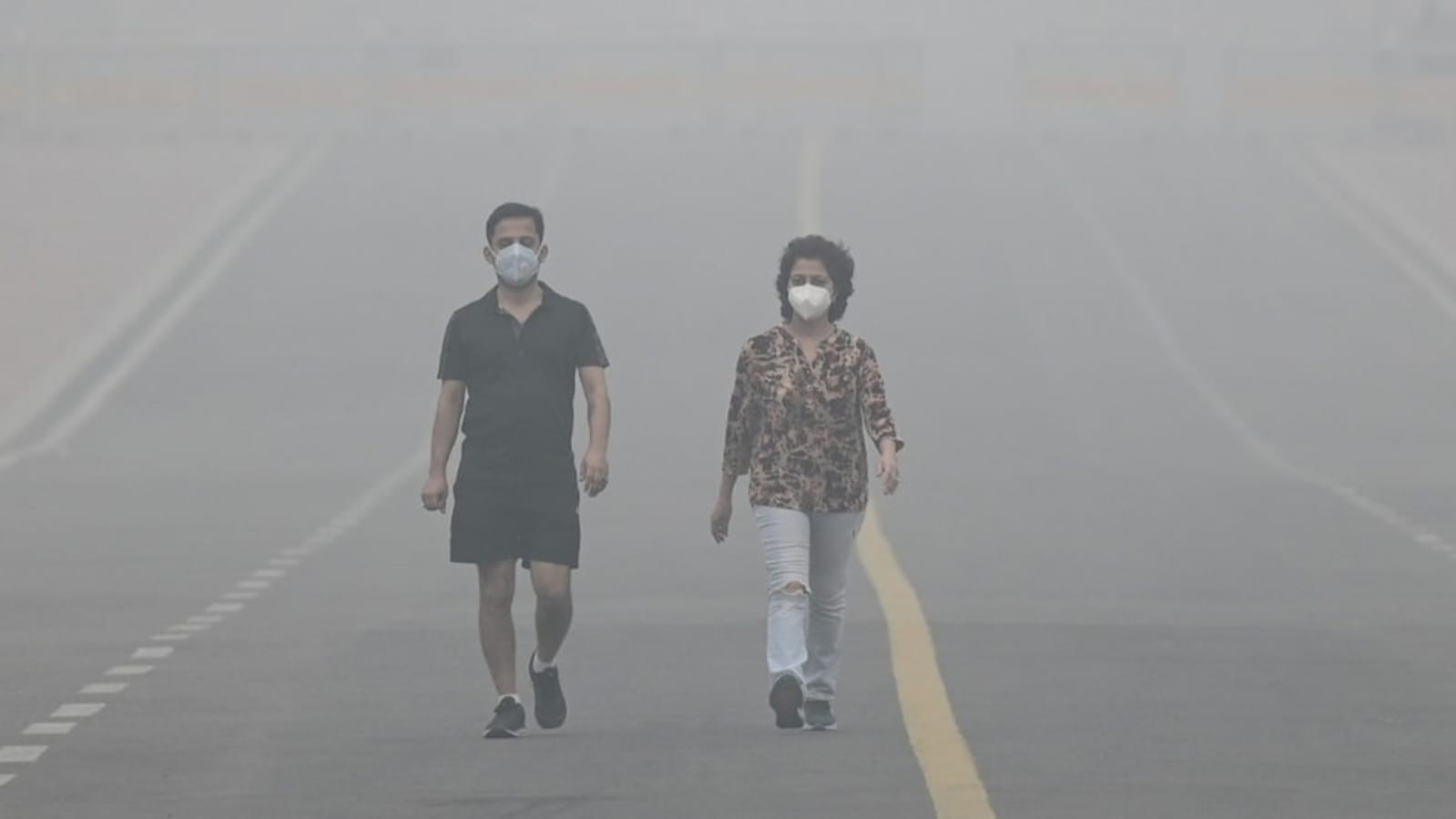
Rising air pollution and toxic smog can pose serious health risks, particularly when the Air Quality Index (AQI) reaches extremely high levels. During such conditions, limiting exposure to polluted outdoor air becomes important, especially for children and elderly people. Dr Manoj Sharma, Senior Consultant in Internal Medicine at Fortis Hospital, Vasant Kunj, explains that exposure to polluted air can trigger several health problems. These include eye irritation, headaches, lightheadedness, dizziness, skin irritation, coughing and breathlessness. While some symptoms may appear shortly after exposure, prolonged contact with heavily polluted air can have wider health consequences beyond the respiratory system. People with existing health conditions, particularly those affecting the lungs or heart, may need additional precautions during periods of severe pollution. To reduce exposure, people should avoid unnecessary outdoor activities when pollution levels are extremely high. Keeping windows and doors closed during peak pollution periods, using an appropriately rated air purifier indoors and wearing a well-fitted N95 mask when outdoor travel is unavoidable can also help reduce exposure. Children, older adults and people with respiratory or cardiovascular conditions should be particularly cautious. Outdoor exercise and strenuous physical activity should be avoided during severe pollution episodes. Anyone experiencing persistent coughing, chest discomfort or breathing difficulties should seek medical attention rather than ignore the symptoms. Following appropriate precautions and monitoring local air quality updates can help individuals make safer decisions during periods of toxic smog.








0 comments
No comments yet. Yours would be the first.