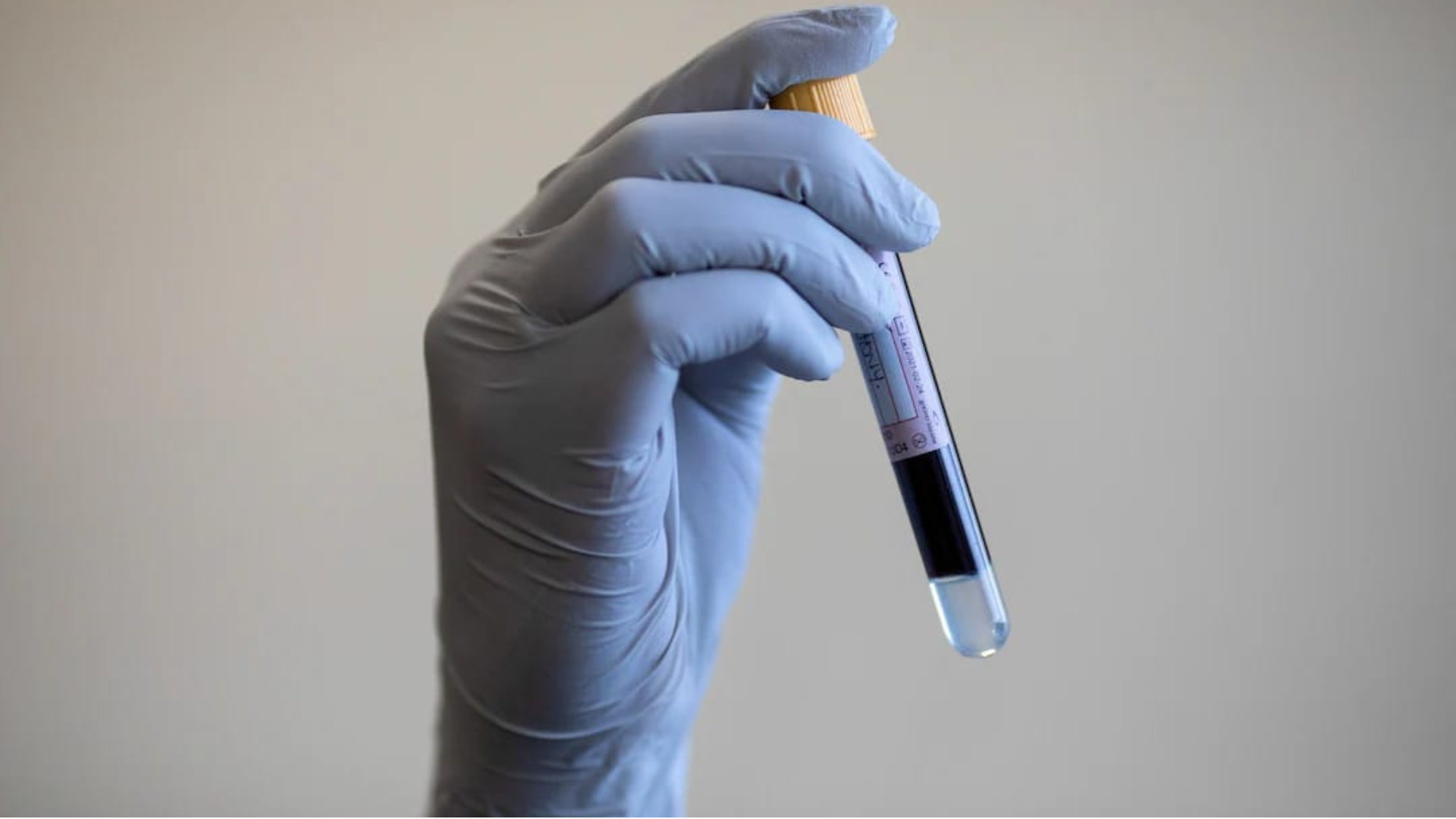
Family doctors in England will take part in a clinical trial assessing whether blood tests can help identify common cancers earlier, in what researchers describe as a world-first initiative. The trial, developed by the University of Birmingham, will examine whether simple blood tests can help general practitioners (GPs) identify patients who may require urgent investigation and treatment. At least 200 NHS GP practices across England are expected to participate, covering more than 20,000 patients. People aged 45 and above who visit their doctors with abdominal symptoms, including persistent bloating or discomfort, will be eligible to take part. The tests will examine blood samples for signs of several cancers and attempt to identify the organs from which they may originate. The research will focus on prostate, ovarian, bowel, pancreatic, stomach and liver cancers, which are frequently diagnosed at later stages. The testing methods will include artificial intelligence and analysis of proteins present in the blood. Researchers aim to determine whether these technologies can support doctors’ clinical judgement and help identify patients who need further investigation sooner than existing pathways allow. The trial comes amid concerns about cancer mortality in Britain, which is among the highest across Organisation for Economic Co-operation and Development (OECD) countries on a per capita basis. The study will evaluate the accuracy and practical usefulness of the tests before any decision is made about wider implementation. Researchers will assess whether the approach could eventually be introduced across the NHS to improve early diagnosis and potentially increase patients’ chances of survival. The trial’s findings will help determine whether the blood tests are suitable for broader use in primary healthcare settings.







0 comments
No comments yet. Yours would be the first.