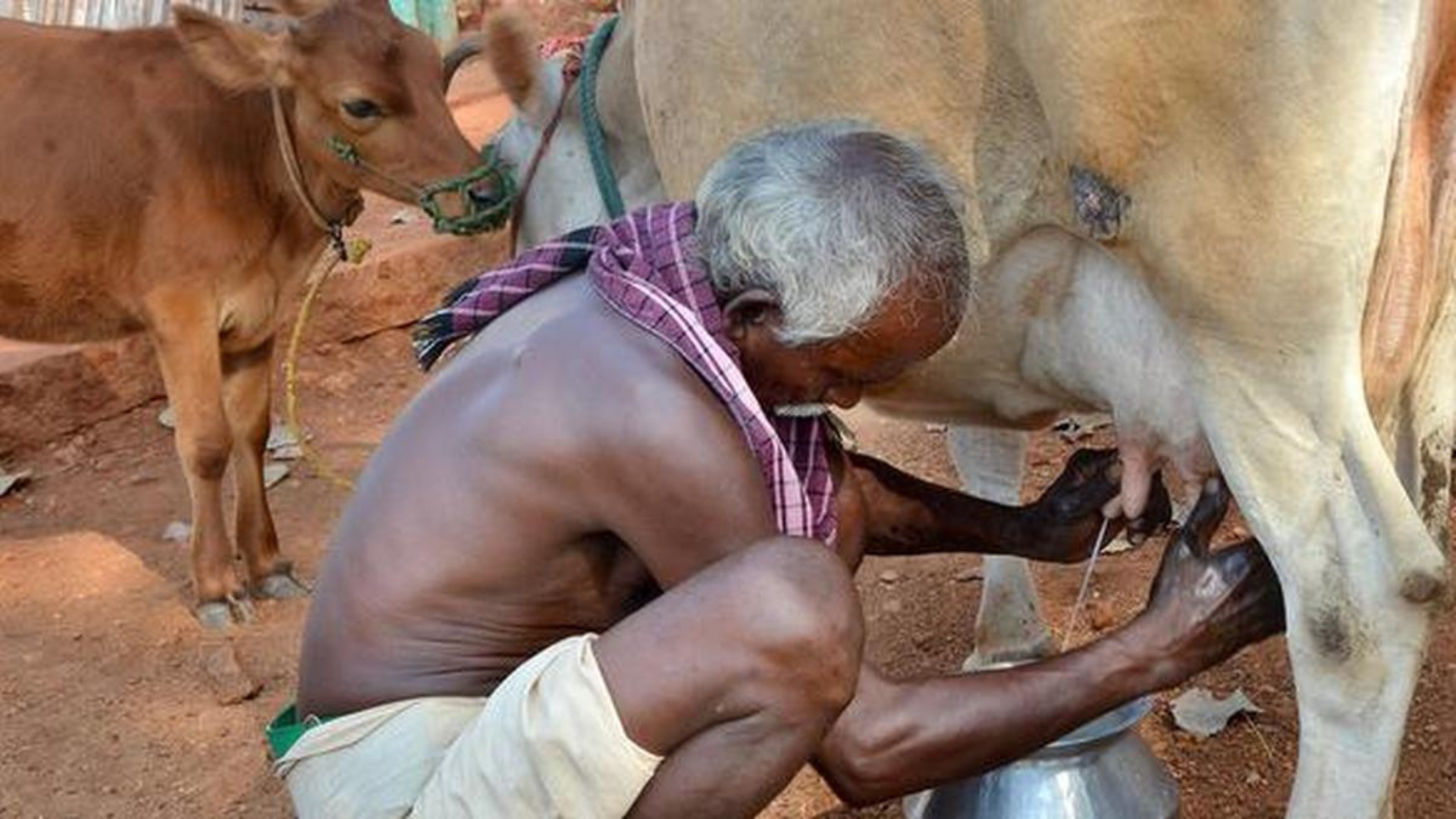
The One Health approach, which recognises the interconnectedness of human, animal and environmental health, has gained renewed importance amid concerns over emerging infectious diseases and public health threats. The discussion is particularly relevant to India, which has a population of approximately 1.4 billion, around 536 million livestock and the world’s largest milk output. These figures highlight the country’s close relationship between human health, animal populations and environmental conditions. The historical roots of the One Health concept can be traced to ancient India. The article refers to Emperor Ashoka’s Second Major Rock Edict, dating to the third century BCE, which describes the provision of medical care for both humans and animals, alongside efforts to plant medicinal herbs. The principle was later echoed by Rudolf Virchow, the physician credited with introducing the term “zoonosis”. Virchow emphasised that human and veterinary medicine are closely connected and cannot be treated as entirely separate disciplines. The One Health framework reflects the understanding that diseases affecting animals can also pose risks to humans, making coordination between healthcare professionals, veterinarians and environmental experts essential. For India, the approach carries particular significance given its extensive livestock population and the scale of its public health responsibilities. The broader argument is that disease prevention requires institutions to work across traditional boundaries. Human healthcare, animal health services and environmental management must be considered together rather than independently. World One Health Day provides an opportunity to revisit this principle and strengthen efforts to address health risks through coordinated prevention and scientific collaboration.






0 comments
No comments yet. Yours would be the first.