
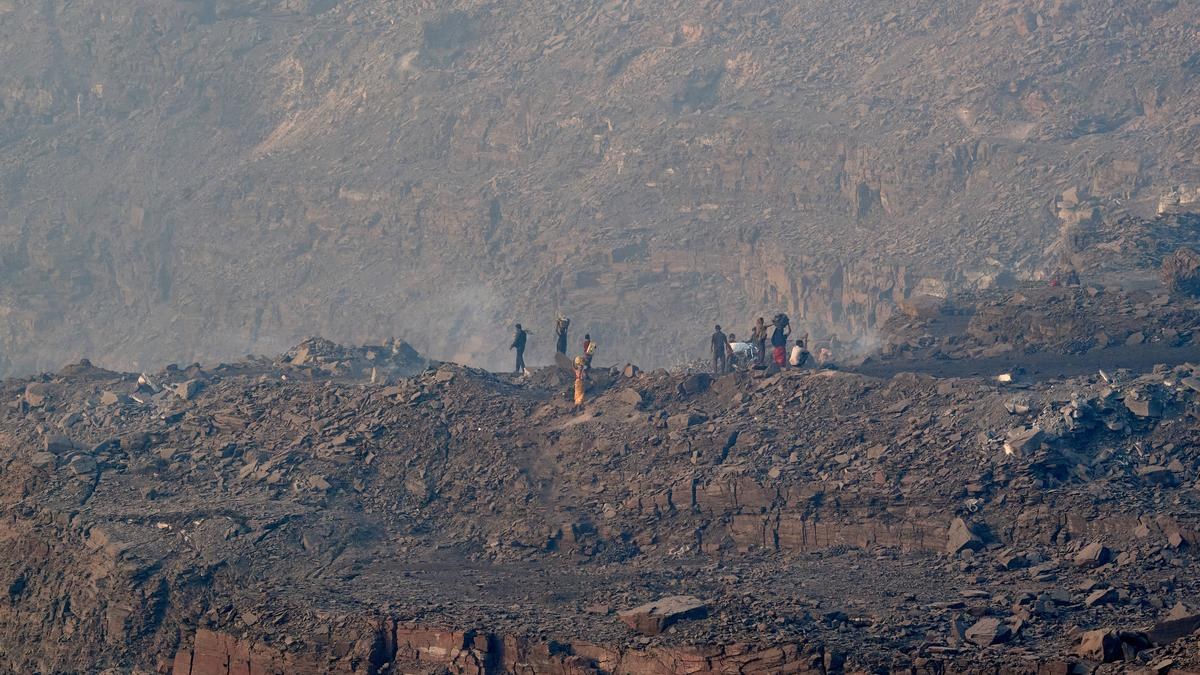
The passage of the Mines and Minerals (Development and Regulation) Amendment Act, 2026 (MMDR Act) has triggered sharp divisions among Indian States, reflecting both economic dependence and political alignments.

The amended law significantly expands the Centre’s regulatory powers, covering not only mines and mineral development but also mineral‑bearing lands. Crucially, it bars States from imposing fresh taxes on mineral rights or lands unless permitted under Union‑prescribed conditions. It also cancels mineral taxes imposed by States but not fully collected before the Act came into force.
For mineral‑rich States like Odisha, Chhattisgarh, and Jharkhand, the amendment is seen as a direct blow to fiscal autonomy, with leaders warning of massive revenue losses. Opposition parties argue that the law centralises control, undermining federal principles and weakening States’ ability to fund welfare and development.
On the other hand, States less dependent on mining revenues or politically aligned with the Centre have adopted a more conciliatory stance, framing the amendment as a step toward uniform regulation and efficiency. Supporters claim it will reduce disputes, attract investment, and streamline governance in the mining sector.
The contrasting responses highlight the federal tensions at play — where economic reliance and political equations shape how States perceive reforms that alter their fiscal powers.



0 comments
No comments yet. Yours would be the first.