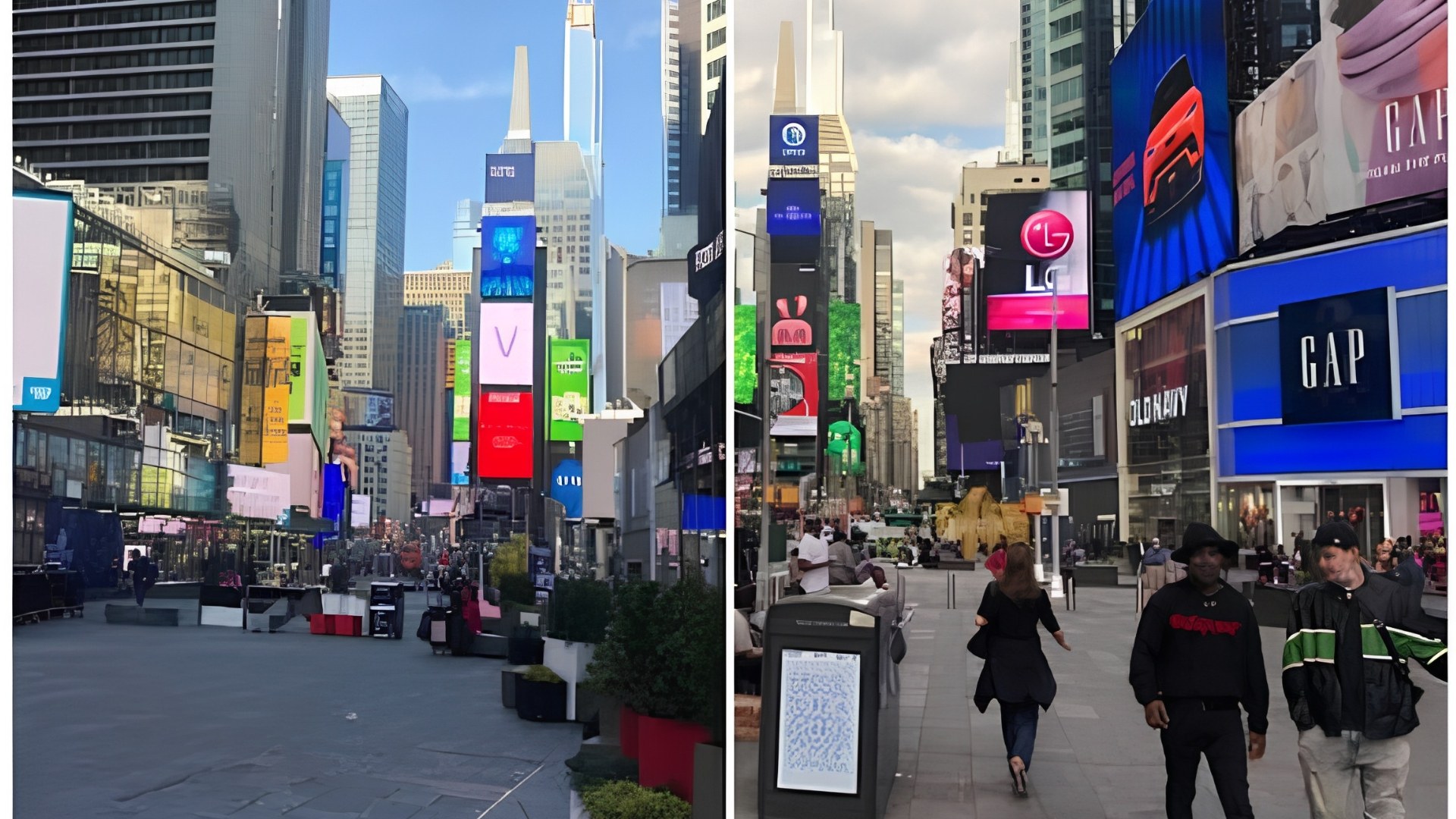
Life before 2020 often feels simpler in retrospect, with longer weekends, spontaneous plans and more meaningful moments with friends. Although everyday life was far from perfect, many people now look back on the years before the pandemic with a sense of nostalgia.

The feeling may be about more than growing older or taking on new responsibilities. For many, the years since 2020 have brought changes in work routines, social habits and how people spend their free time. Even as digital platforms make communication easier, maintaining close friendships can sometimes feel more demanding.
The COVID-19 pandemic marked a major turning point in how people lived, worked and interacted. Lockdowns disrupted daily routines, limited social contact and forced people to reconsider their priorities. While restrictions have largely ended, the experience may continue to shape how people approach relationships, time and the future.
Another reason life can feel different is the growing pressure to remain constantly connected. Notifications, online conversations and endless digital content can make it harder to disconnect and enjoy ordinary moments. Activities that once offered relaxation may now feel like additional tasks competing for attention.
Nostalgia can also influence how people remember the past. Looking back often highlights happy experiences while allowing everyday frustrations and difficulties to fade into the background. As a result, 2019 may appear more carefree than it actually was.
However, this does not mean the feeling of change is imaginary. The pandemic disrupted established routines and social connections, while adulthood and changing expectations may have added further pressures.
Perhaps the question is not whether life was objectively better before 2020, but what people miss about that period. Rebuilding meaningful friendships, making time for unplanned experiences and setting boundaries around digital distractions may help bring some of that lost sense of ease into everyday life.



0 comments
No comments yet. Yours would be the first.