
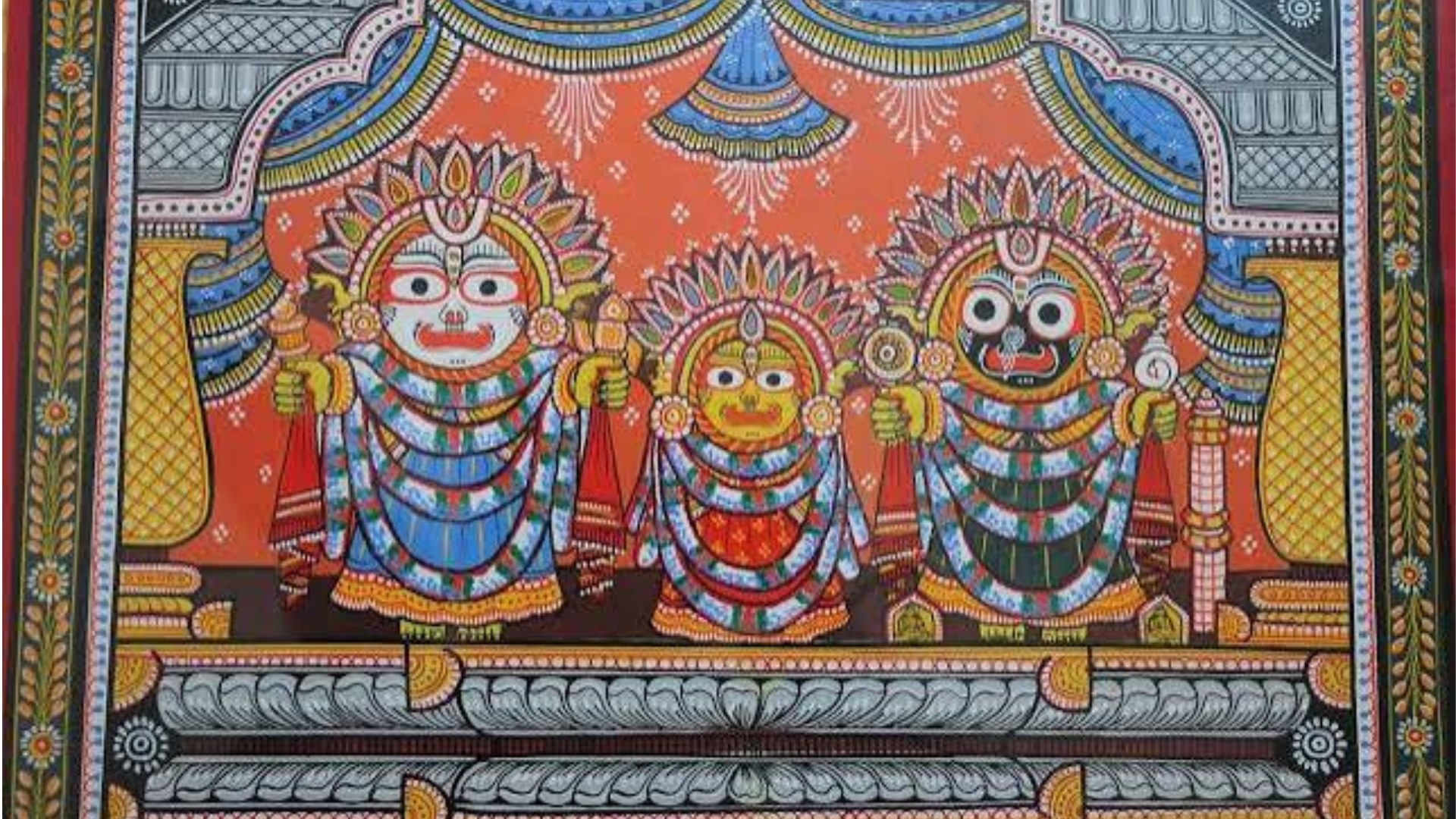
Kolkata’s Durga Puja celebrations are known for their elaborate pandals, festive crowds and artistic displays. In 2026, the celebrations are also providing a platform for Bengal’s traditional patachitra artists, who are introducing their work to urban buyers through paintings, clothing, accessories and home décor.

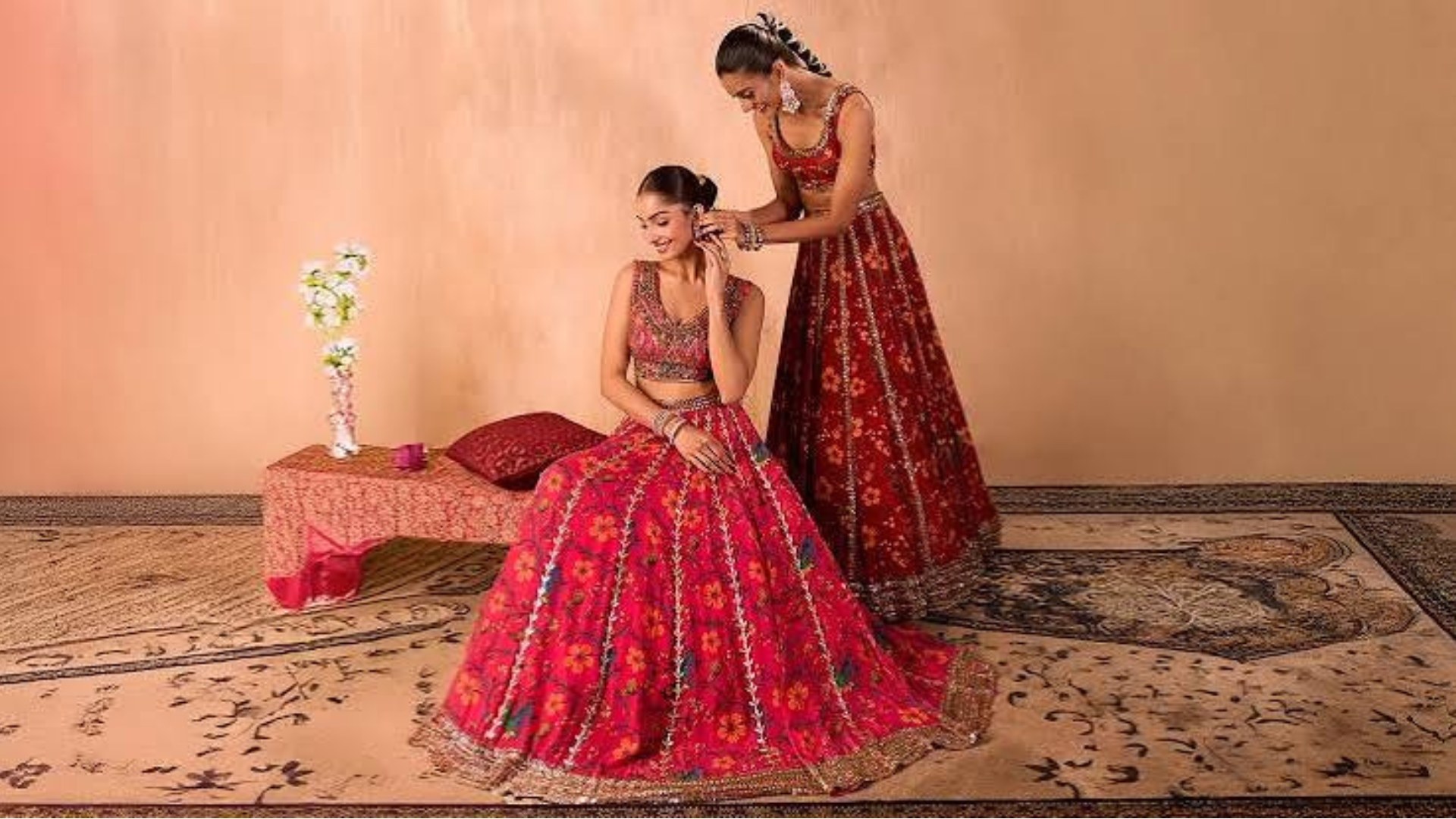
At several pandals across Kolkata and its surrounding areas, Patua artists are selling patachitras on kurtas, dupattas, coasters, trays and wall hangings. Their work brings a centuries-old visual tradition into everyday spaces while allowing artists to explore new ways of reaching customers.
One example is Shubho Chitro, a patachitra artist displaying his work at Barge Company’s Durga Puja celebrations aboard Riviera, a sailing vessel on the Ganges.
His stall features traditional patachitras alongside paintings inspired by Jamini Roy. The display reflects how artists are presenting folk art in forms that appeal to contemporary audiences.
Instead of limiting their work to traditional paintings and scrolls, artists are adapting familiar visual styles for clothing and household objects. This allows buyers to experience the art beyond galleries and exhibitions.
What Makes Patachitra Art Special?
Patachitra is a traditional style of painting associated with Bengal and other parts of eastern India. Its visual storytelling, expressive figures and distinctive patterns make it an important part of the region’s folk-art heritage.
Patua artists have historically been associated with painted scrolls used to narrate stories. In the traditional practice of pater gaan, or scroll storytelling, artists unfold painted panels while singing the stories depicted in them.
The art form therefore combines painting with oral storytelling and performance. Its value lies not only in its colours and designs but also in the stories and cultural knowledge passed from one generation to another.
From Storytelling Scrolls to Kurtas and Home Décor
The presence of patachitra at Durga Puja pandals highlights how traditional art is finding new markets. Paintings on garments, coasters, trays and wall hangings can introduce the style to people who may not otherwise encounter traditional scroll paintings.
For artists, these products can offer additional ways to display and sell their work. For buyers, they provide an opportunity to take a piece of Bengal’s artistic heritage into their homes and everyday lives.
However, adapting folk art for modern consumers also raises an important question: how can artists make their work commercially sustainable without losing the stories and practices that give it meaning?
The growing visibility of patachitra during Durga Puja offers an opportunity to connect traditional artists with new audiences. Yet the future of the art form depends on more than the sale of colourful products.
The storytelling traditions, artistic techniques and cultural knowledge behind patachitra need continued recognition. When buyers understand the history of the work they purchase, they can appreciate it as more than a decorative object.
As Bengal’s Patua artists explore contemporary markets, their challenge is to balance innovation with cultural continuity. Durga Puja provides a valuable setting for that conversation, bringing traditional art into public view while reminding audiences that every painting can carry a story.


0 comments
No comments yet. Yours would be the first.