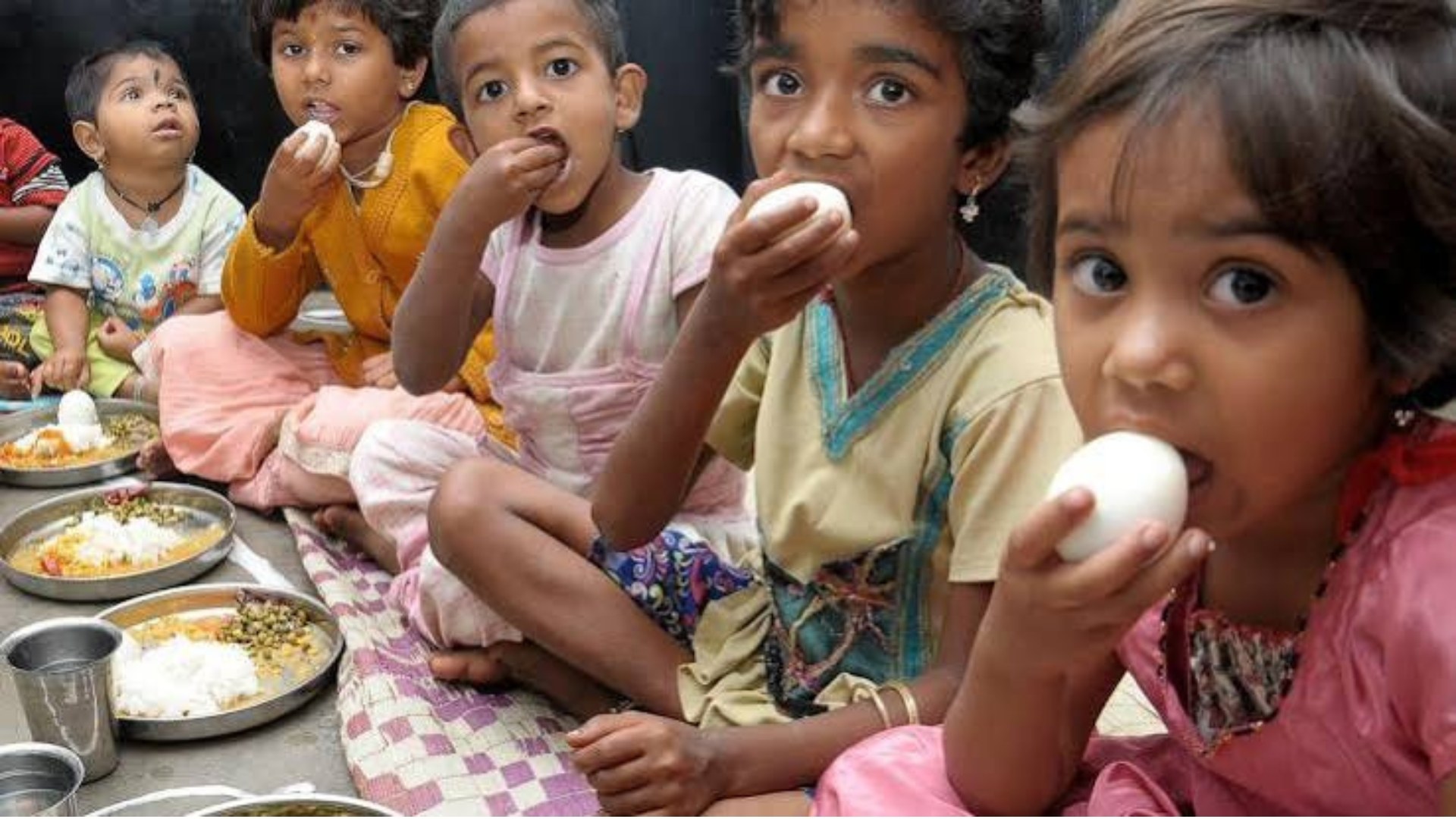
Karnataka’s spending on education has not translated into adequate nutritional outcomes for many children, according to a government-backed study that calls for greater attention to child nutrition.

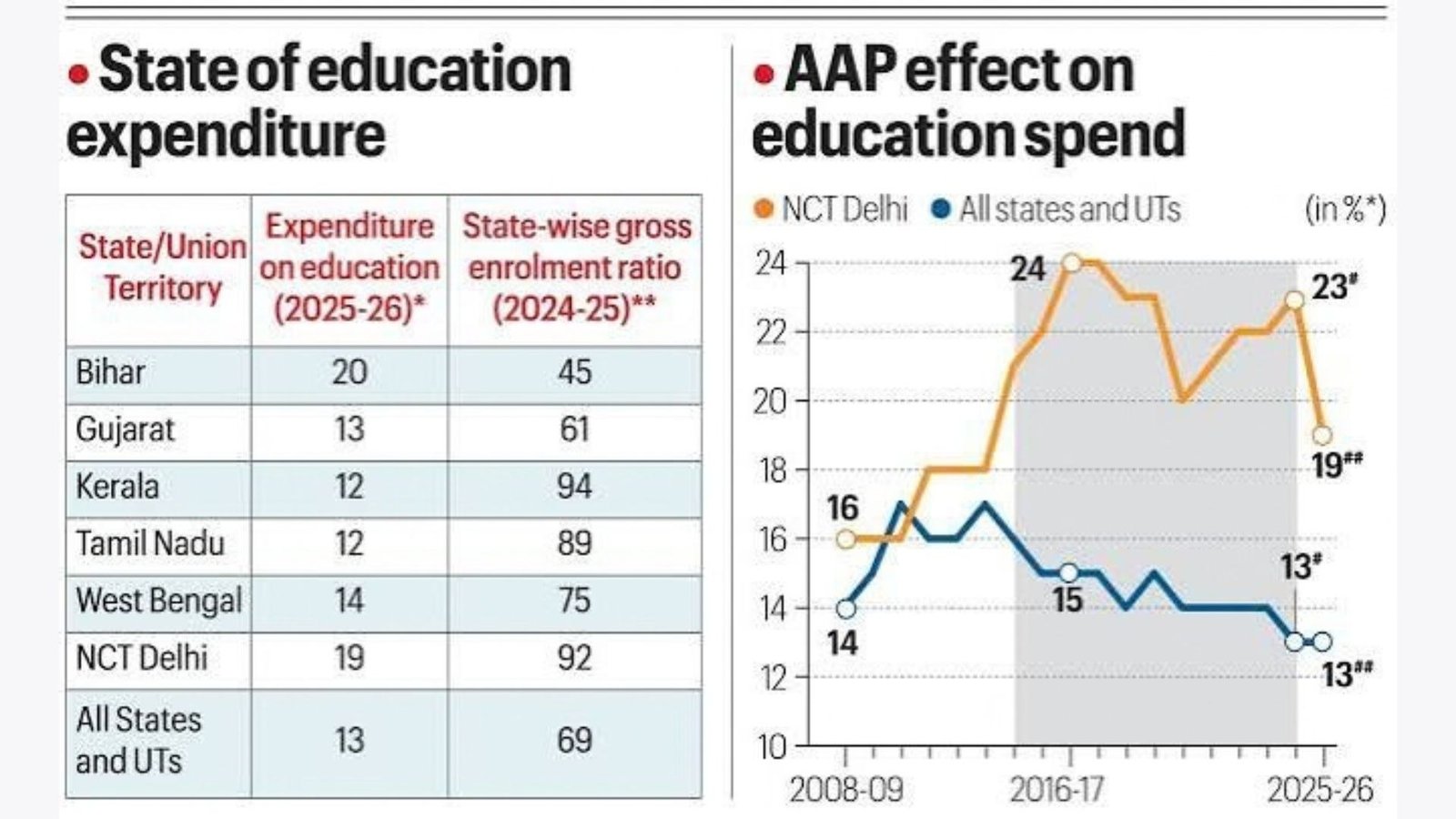
The report by the Fiscal Policy Institute examined ₹3.45 lakh crore allocated to child-focused programmes between 2020-21 and 2026-27. Education accounted for around 85% of the total outlay, with per-child spending reaching ₹34,186.
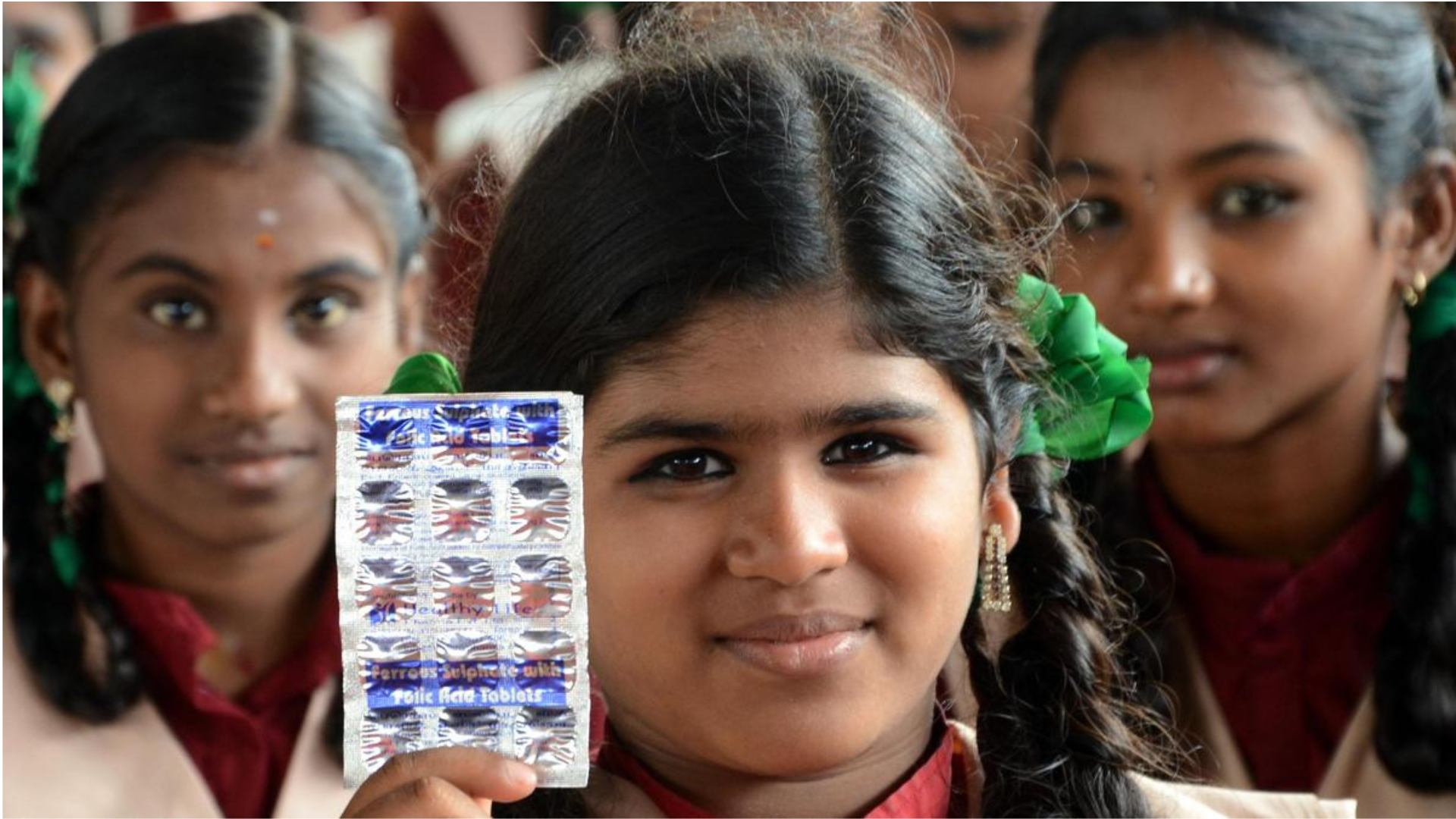
Despite the investment, the study highlighted persistent malnutrition. Around 35.4% of children under five in Karnataka suffer from stunting, while nearly one in five experiences wasting. The findings point to a gap between public spending and improvements in children’s health and development.
The report also identified significant regional disparities. More than 70% of children in districts across Kalyana Karnataka were reported to face nutritional deficiencies. Bengaluru Urban also showed concerning outcomes compared with districts such as Mandya.
The study urged the state government to reconsider how funds allocated to child-focused programmes are distributed, recommending that a significant portion of education-related expenditure be redirected towards nutrition interventions.
The findings raise questions about whether education spending alone can improve school readiness and learning outcomes when children continue to face nutritional challenges. Adequate nutrition is essential for physical development, concentration and the ability to participate effectively in education.
The report highlights the need to assess child welfare spending not only by the amount allocated but also by whether it delivers measurable improvements in children's health.





0 comments
No comments yet. Yours would be the first.