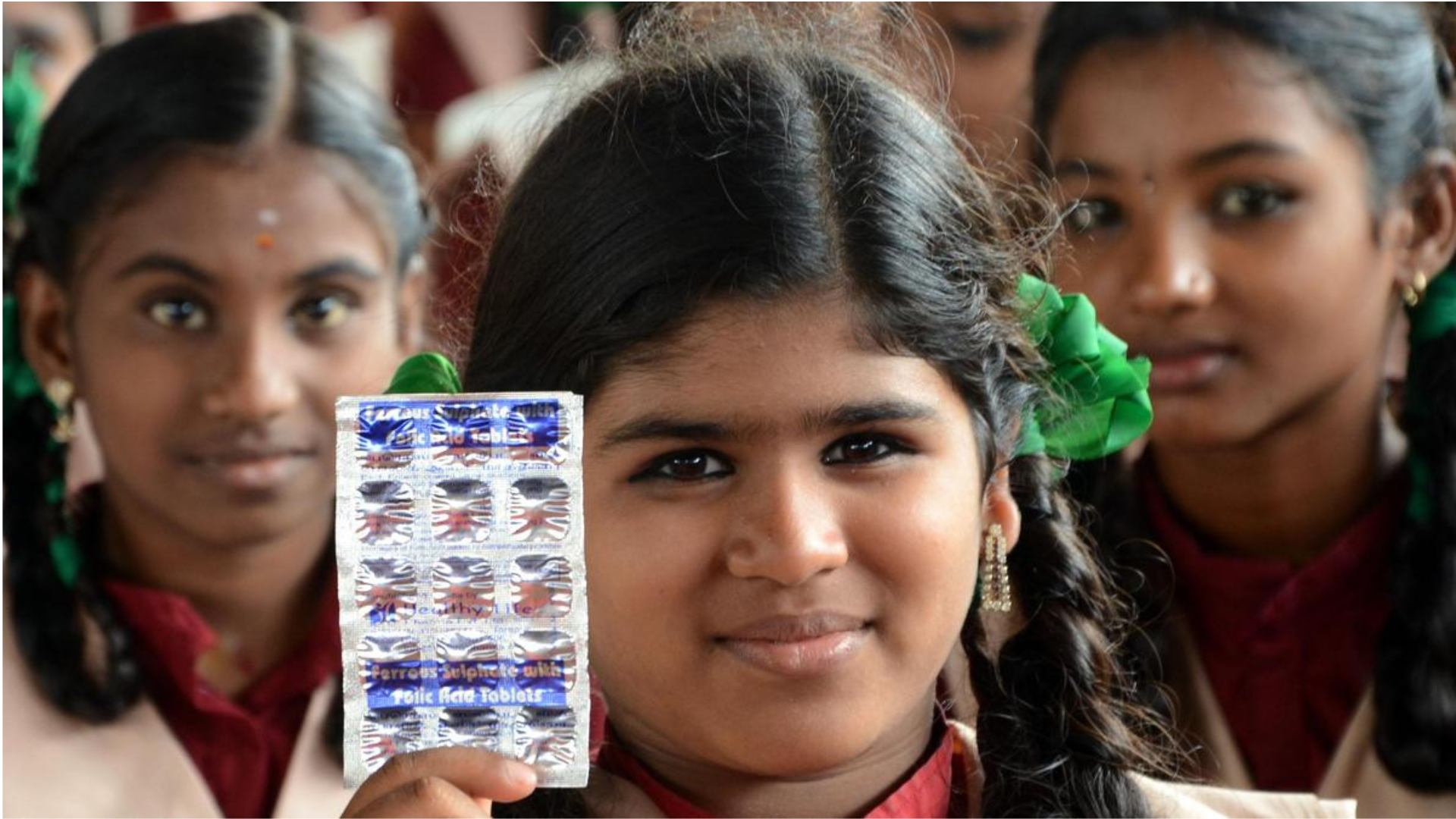
India needs to rethink its approach to anaemia prevention, with greater emphasis on dietary diversity, nutrient absorption and broader public health strategies, according to health experts Harshpal S. Sachdev and Anura V. Kurpad. In their analysis published on November 11, the authors argue that decades of iron-focused interventions have not delivered sufficient progress in reducing anaemia among women and children. India has traditionally relied on iron and folic acid (IFA) supplementation programmes targeting vulnerable groups, alongside food fortification initiatives designed to improve nutrient intake across the wider population. However, the authors question whether these approaches can achieve lasting results without addressing the quality and diversity of everyday diets. They distinguish between supplementation, which targets specific population groups, and food fortification, which aims to reach a broader section of society. They also raise concerns about the effectiveness of fortification programmes in real-world conditions. A key issue highlighted in the discussion is iron bioavailability. The amount of iron present in food does not necessarily determine how much the body can absorb and utilise. The World Health Organization also recognises that anaemia can result from multiple factors, including deficiencies of iron and other nutrients, infections, inflammation, chronic diseases and inherited blood disorders. The authors argue that improving dietary diversity should become a central part of India's public health strategy, particularly if anaemia reduction is to support wider goals related to non-communicable diseases. Their central message is that sustainable anaemia prevention requires more than supplements and fortified foods. Better nutrition and a broader understanding of the causes of anaemia must also shape public health policies.





0 comments
No comments yet. Yours would be the first.