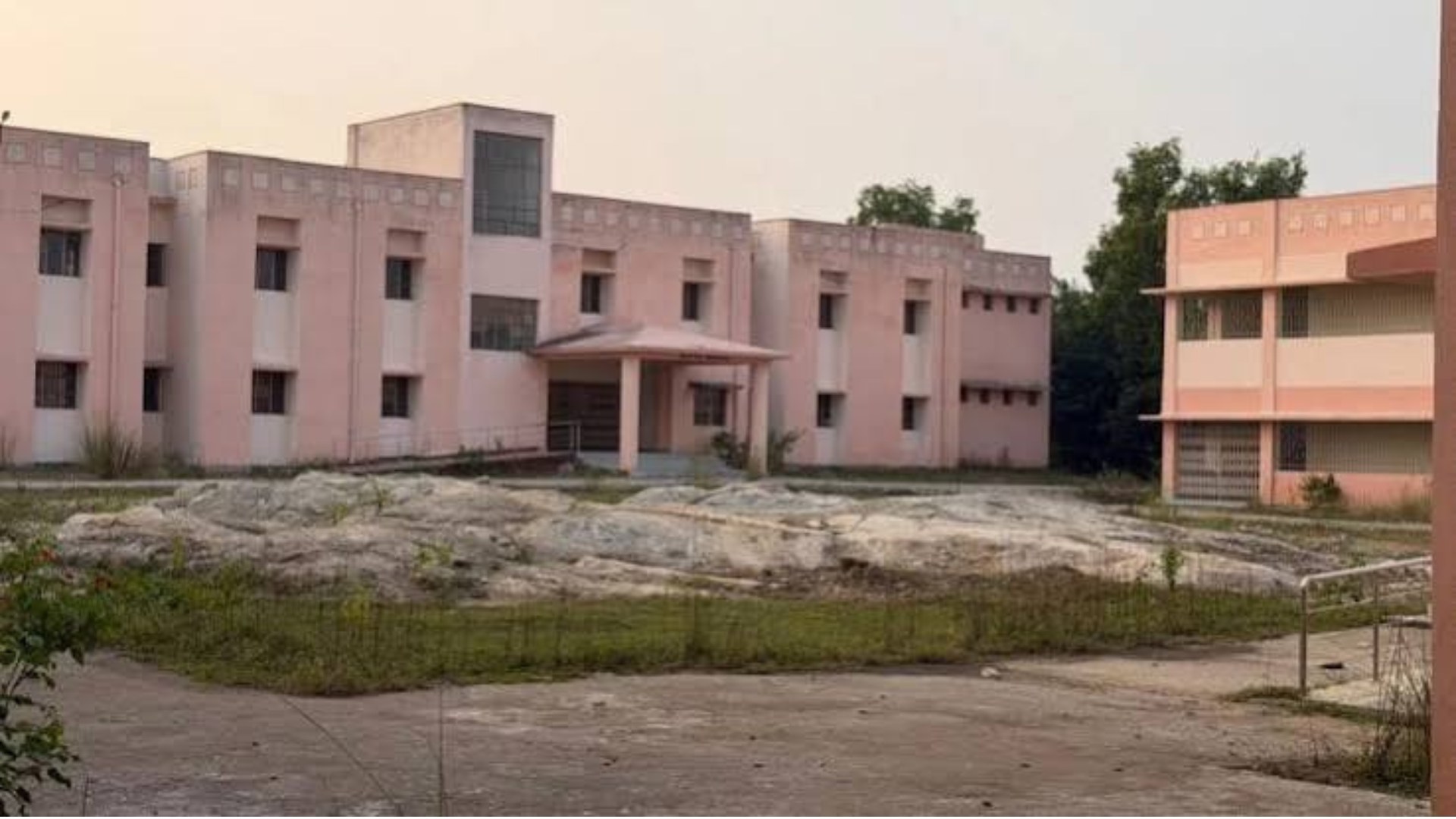
Several Eklavya Model Residential Schools in Jharkhand are facing delays in starting academic activities, leaving tribal students unable to access the residential education facilities planned for them. Despite completed campuses, shortages of teachers and administrative delays continue to stand in the way of admissions and classes.

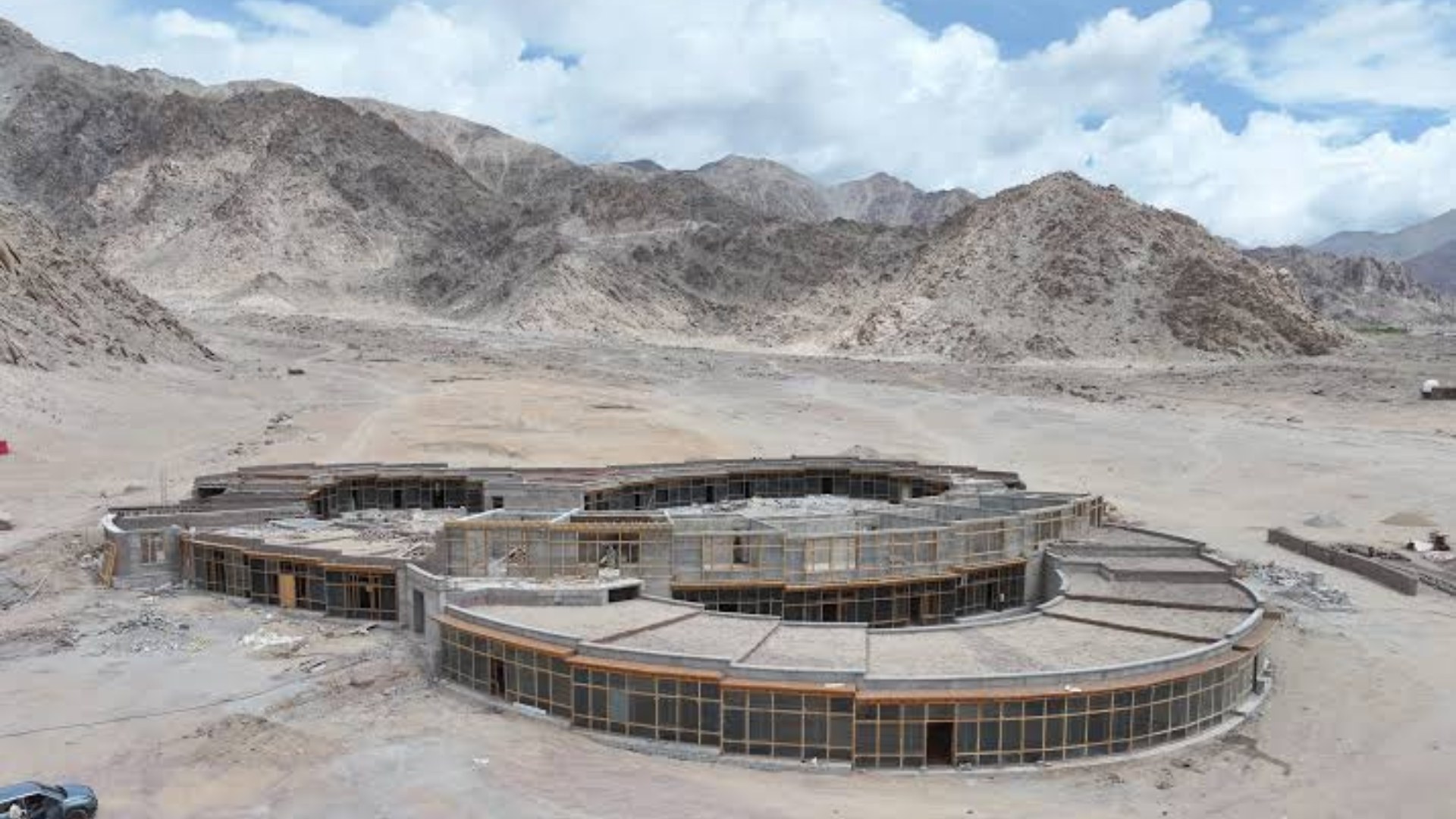
One example is the Eklavya Model Residential School in Chanho block of Ranchi. Spread across 15 acres, the campus has classrooms, hostels and laboratories. However, nearly a year after Prime Minister Narendra Modi inaugurated the facility, the school had yet to welcome its first batch of students.
The campus is also facing basic infrastructure problems. Dust has accumulated on classroom benches, some windowpanes are broken and washroom mirrors have cracked. The school reportedly does not yet have water or electricity connections, raising questions about its readiness to begin regular operations.
Satyam Ojha, who joined as the school's principal around two months ago, is working to address the pending issues and prepare the campus for students.
The situation highlights the gap between building educational infrastructure and making it operational. For tribal children who depend on residential schools for access to education, delays in staffing, essential services and administrative clearances can mean losing valuable classroom time.
Eklavya Model Residential Schools are intended to improve access to education for tribal students. However, the experience at Chanho shows that a completed campus alone cannot fulfil that promise without teachers, basic facilities and timely administrative action.



0 comments
No comments yet. Yours would be the first.