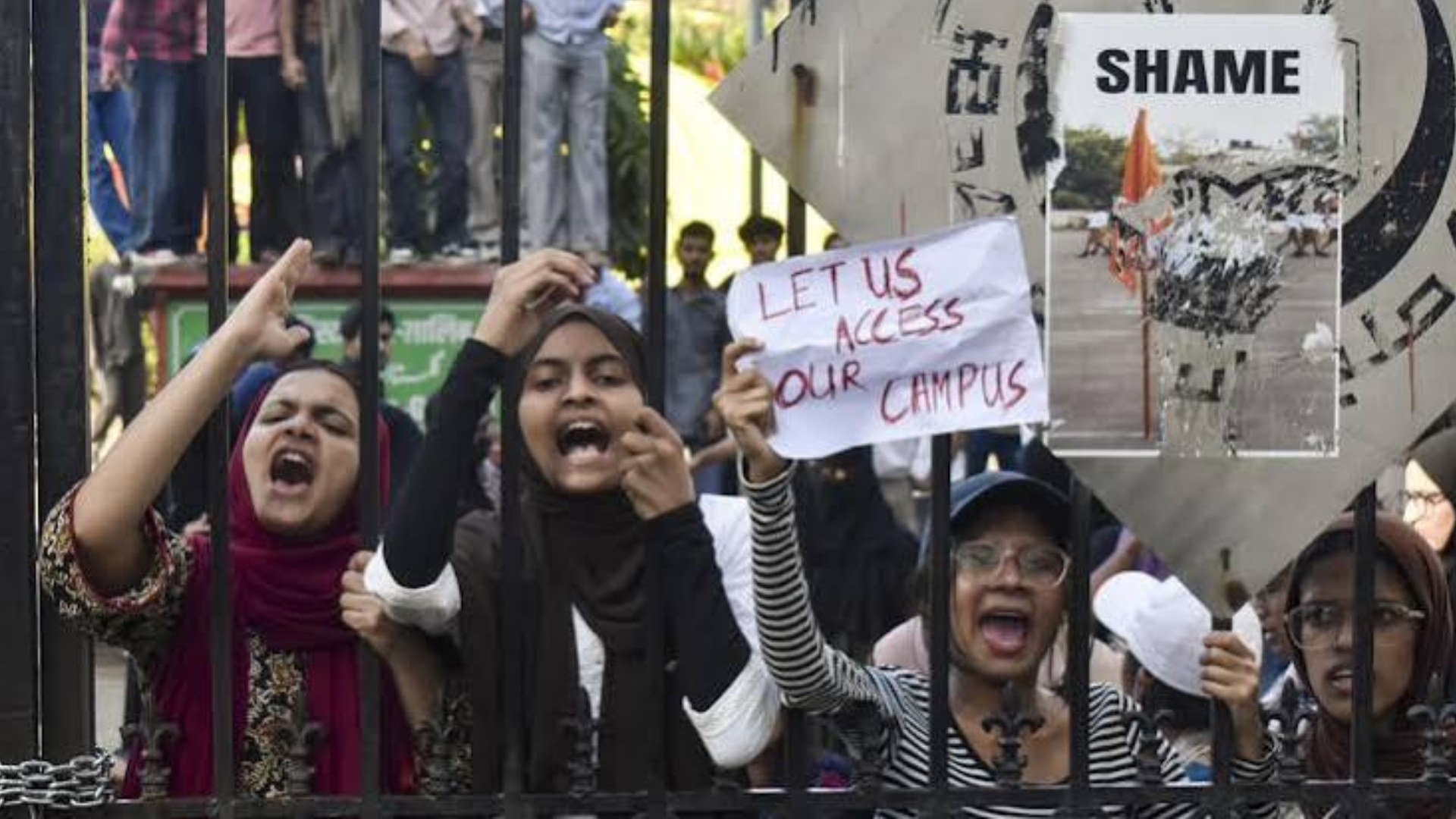
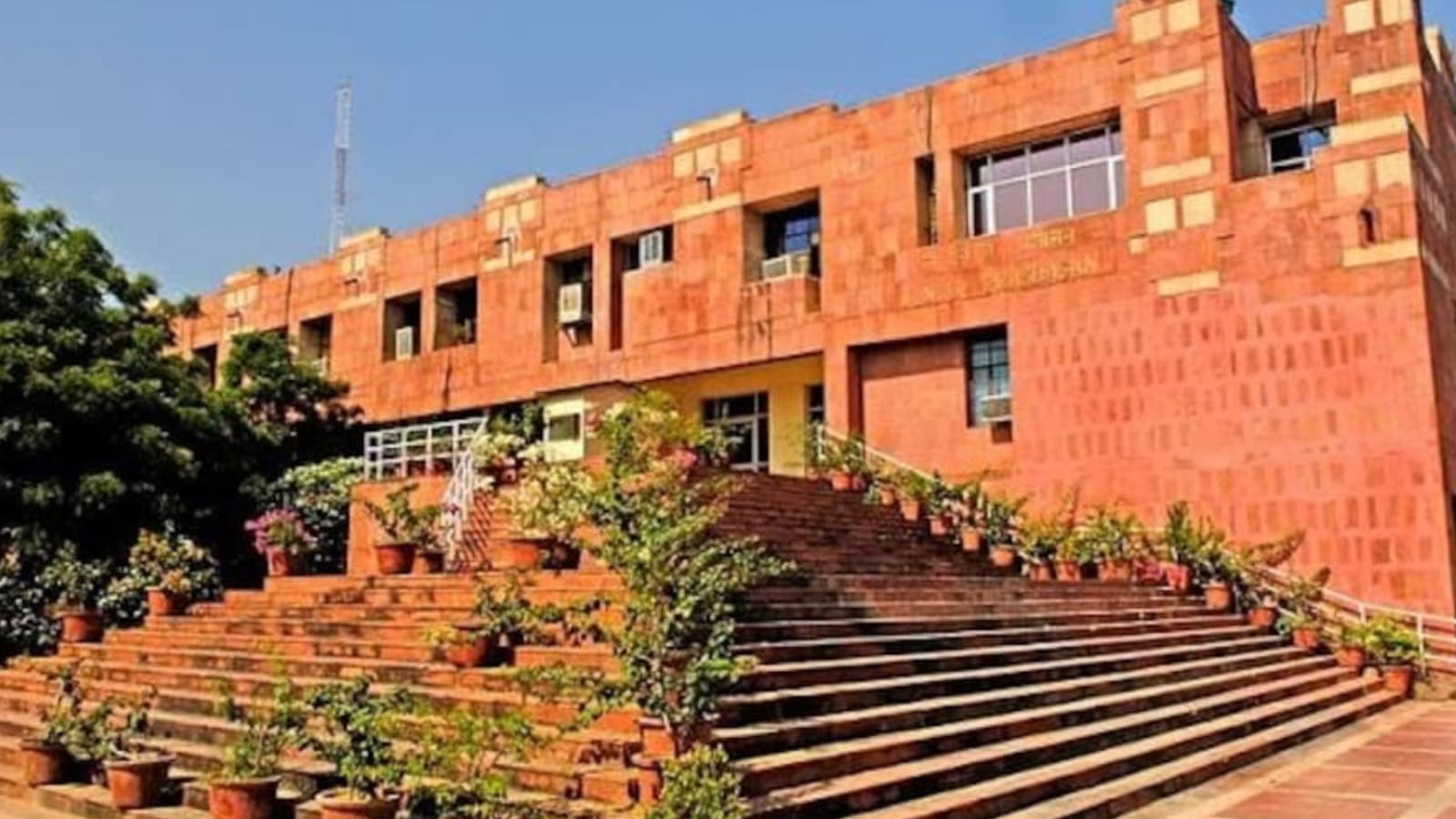
Jamia Millia Islamia in New Delhi has agreed to a timeline for restoring its students' union after weeks of protests and an 18-day hunger strike by students demanding elected representation on campus. The university's decision marks an important development in a dispute over student participation and campus democracy that has continued for nearly two decades.

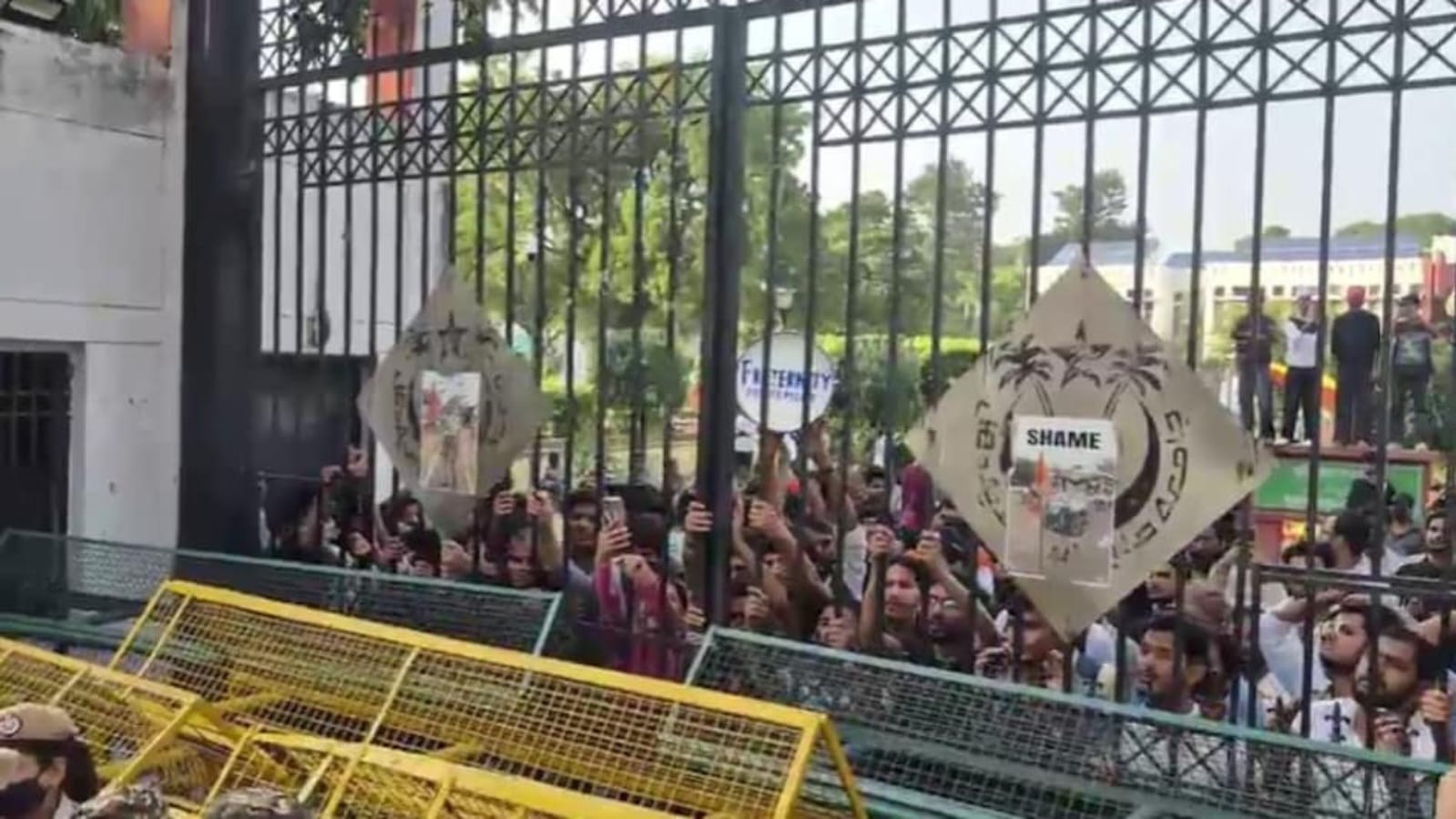
The protest began on October 12, 2026, with students demanding the restoration of the Jamia Millia Islamia Students' Union (JMISU), which has remained dissolved since 2006. Ebin Basil, a third-year law student, was among the students who went on an indefinite hunger strike. Several other students also participated, while hundreds gathered near the statue of poet Mirza Ghalib on campus to support the demand for elections.
The agitation led to tensions between students and the university administration. Some protesters faced disciplinary action, while classes were shifted online and security arrangements were tightened around the campus. Students argued that an elected union would give them a collective platform to raise concerns about hostel facilities, canteen conditions, fee increases and restrictions on student activities.
The university initially proposed holding elections within 15 days of approval of a new students' union constitution. However, protesters rejected the proposal because it did not specify a deadline for approving the constitution.
In an order dated October 29, the administration subsequently set May 15, 2027, as the deadline for completing the approval and implementation of the union constitution. Elections will be conducted within six weeks of the beginning of the next academic session, in accordance with the Lyngdoh Committee guidelines. The university also directed that protest-related show-cause notices, disciplinary proceedings, suspensions, rustications and campus-ban orders be revoked.
Following the revised commitment, students called off their protest and hunger strike. The development brings the immediate agitation to an end, although the actual restoration of an elected union and the conduct of elections remain dependent on the university completing the announced process.
The latest decision has brought renewed attention to student representation at Jamia, where campus-wide union elections have not taken place since 2006. The next steps will determine how the university translates its commitment into an operational students' union.


0 comments
No comments yet. Yours would be the first.