
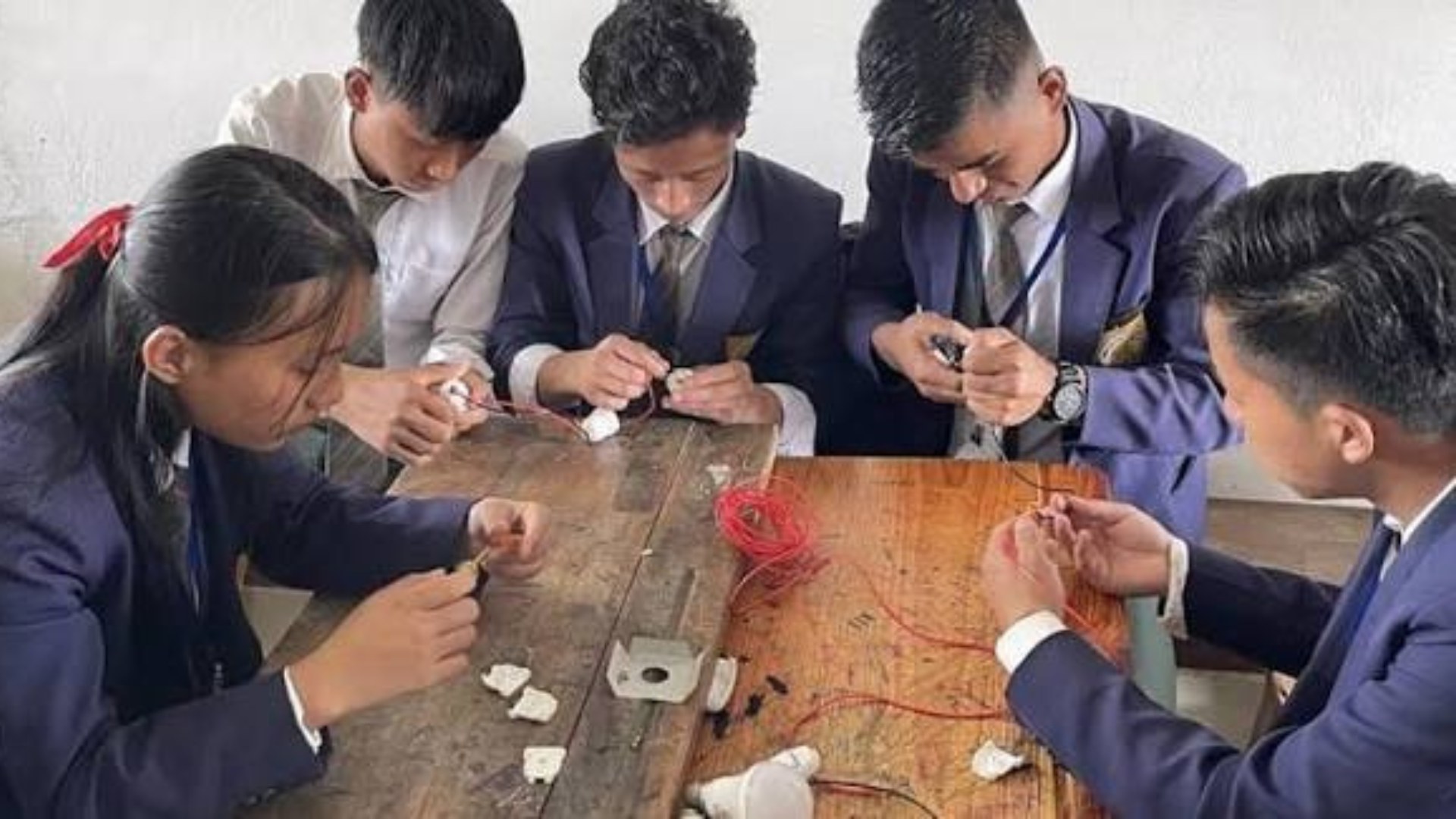
India's next phase of school education growth could increasingly come from smaller cities rather than metropolitan markets. Rising demand for quality education, changing family aspirations and greater access to technology are encouraging school networks to expand beyond major urban centres.

Seth M.R. Jaipuria Group of Schools is among the institutions pursuing this approach. The network currently has 91 schools, including 74 operational campuses, and serves approximately 75,000 students.
In an interview with ETEducation, Group Director Kanak Gupta explained why the organisation sees Tier 2 and Tier 3 cities as an important opportunity for expansion.
Why smaller cities are attracting school networks
Gupta said the group's decision to focus on smaller cities followed a 10-day road trip through towns across Uttar Pradesh and Bihar, including Ayodhya, Gorakhpur, Siwan, Madhubani and Patna.
The visits helped him understand local education demand and the aspirations of families outside metropolitan areas.
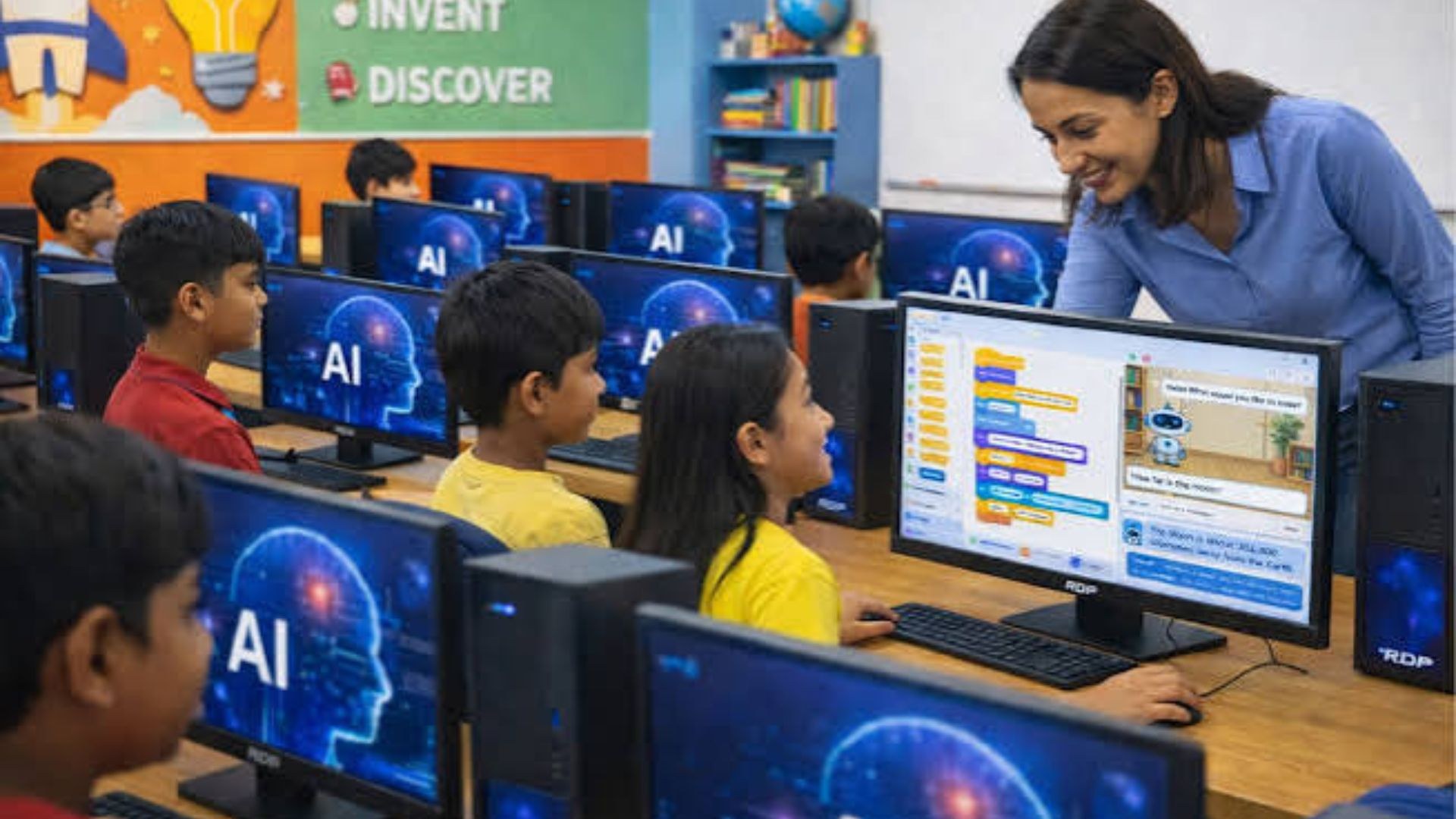
He believes access to technology and artificial intelligence can help students in smaller towns compete with those in larger cities. As he put it, India's educational requirements and aspirations change every 50 kilometres.
The group adopted a franchise model to expand its presence. Its first franchise school opened in 2014. To maintain consistency across campuses, it conducts four training programmes and two audits annually, supported by a learning management system and other technology initiatives.
The network also has approximately 4,500 teachers and organises 16 national events each year.
Balancing school fees with financial sustainability
Gupta described school education as a business model in which returns take time to materialise. He argued that financial sustainability is necessary to support investments in laboratories, teacher development, student activities and innovation.
However, he stressed that fees should reflect local economic conditions rather than the reputation of a national brand alone.
According to him, schools should compete on the value they provide instead of focusing exclusively on price.
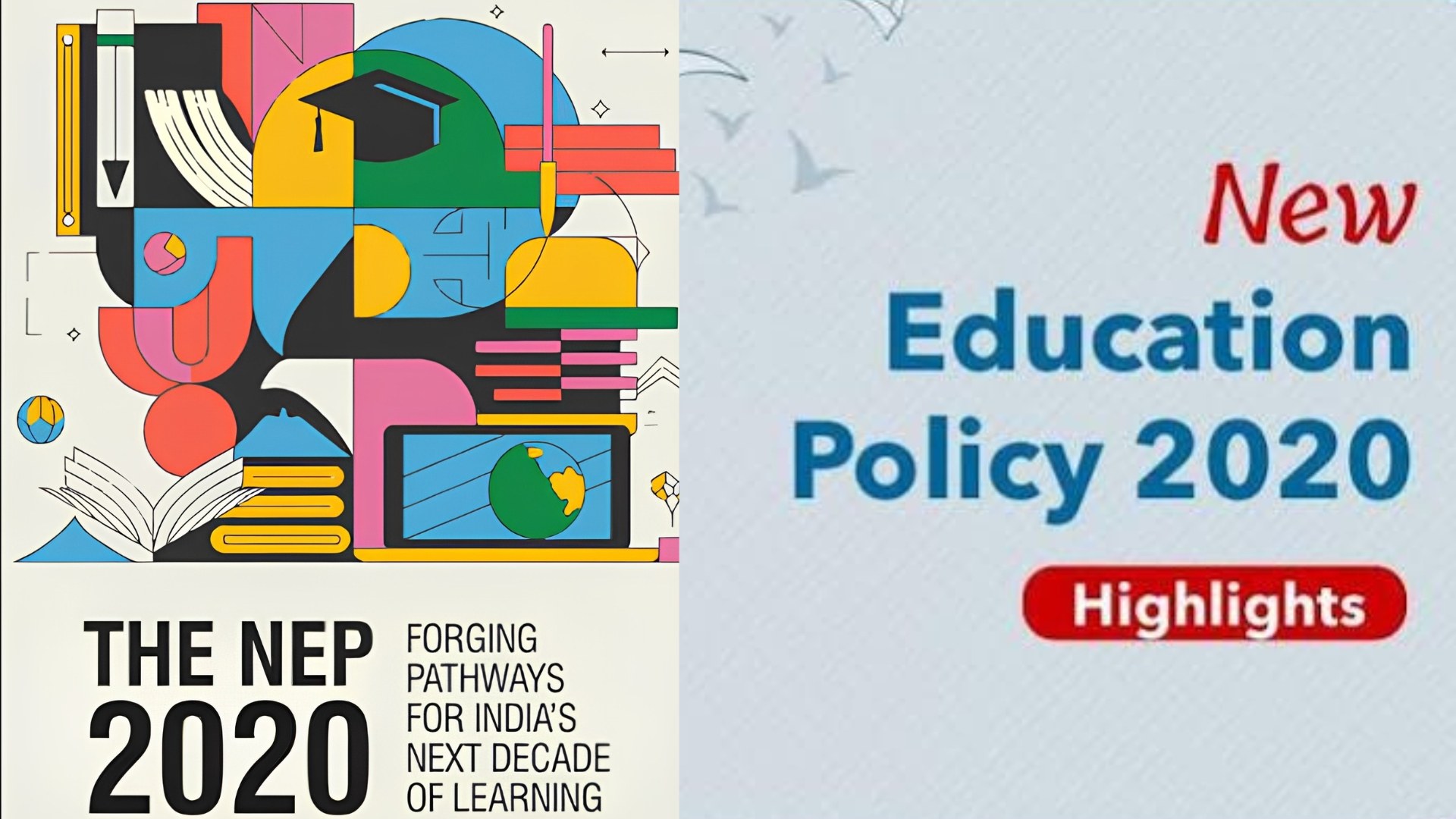
NEP 2020 and changing classroom practices
Gupta described the National Education Policy (NEP) 2020 as a starting point for education reform rather than its final destination.
He highlighted the need to move beyond rote learning and excessive emphasis on examination scores. Greater student participation, critical thinking, experiential learning and opportunities to learn from mistakes should become more central to classroom practices.
Dummy schools and the role of AI
Gupta also raised concerns about dummy schools and the growing preference among some families for coaching-centre-based preparation for competitive examinations. He believes this approach can limit students' academic, social and personal development.
On artificial intelligence, he argued that technology should support teachers rather than replace human interaction. Schools should use AI to encourage curiosity, collaboration and better questioning skills instead of making students dependent on ready-made answers.
Looking ahead, Gupta believes successful schools will need to combine academic performance, teaching quality, financial viability, technology and the overall development of children.




0 comments
No comments yet. Yours would be the first.