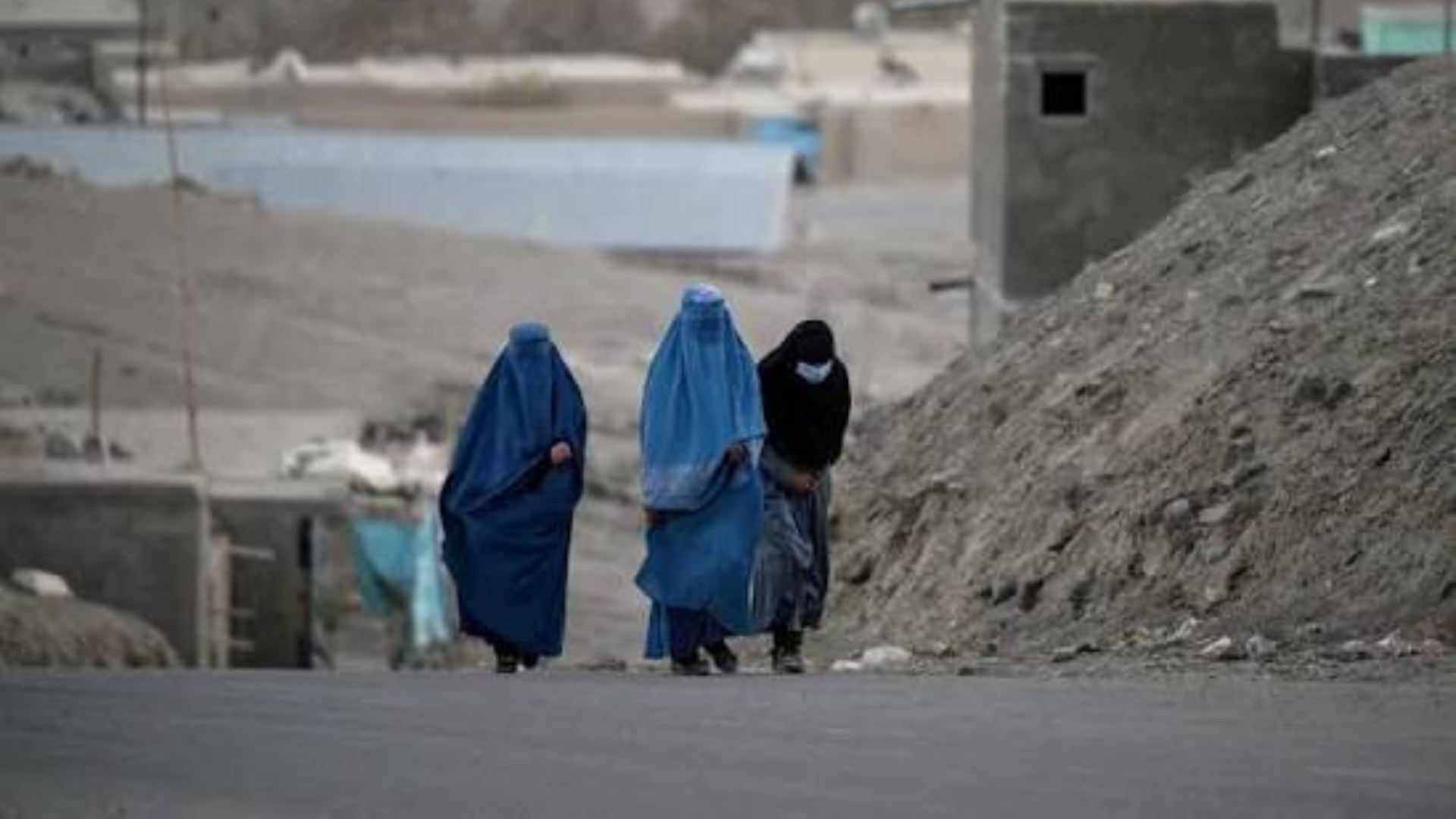
A new restriction on women's identity has reportedly been introduced in Afghanistan's northern Balkh province, where Taliban authorities have instructed public employees and healthcare workers to stop using women's first names in official records.

An investigation by Afghan media outlet Zan Times and British newspaper The Guardian found that the directive, reportedly issued in May 2026, requires officials to use the generic term “Bibi” when referring to women. The instruction reportedly applies to hospitals, private clinics, medical prescriptions and other official records.
What does the reported directive say?
“Bibi” is traditionally used as a respectful form of address for older women. However, replacing individual names with a common label raises concerns about women's recognition and identification in official and healthcare systems.
Testimonies collected by journalists and activists also describe instances in which women have been referred to using degrading animal-related terms, including “goat” and “cow”. These accounts have raised further concerns about the treatment and dignity of Afghan women.
Why is Balkh province significant?
Balkh is a major province in northern Afghanistan, and the reported directive has attracted attention because of the possibility that similar restrictions could spread elsewhere.
Zubaida Akbar, director of the Afghanistan programme at the organisation Femena, has expressed concern that a measure introduced locally could eventually become a wider national restriction. However, there is currently no confirmed evidence that the reported order has been extended across Afghanistan.
Concerns over women's identity and healthcare
The reported restriction comes amid wider limitations on women's access to healthcare and public life.
In a separate investigation published on November 12, The Guardian and Zan Times reported that male doctors in several Afghan provinces had been instructed not to examine or treat female patients without specific conditions, such as the presence of a male guardian.
These restrictions can make medical treatment more difficult, particularly in areas where female healthcare professionals are unavailable.
The use of generic labels in medical records could also create practical difficulties in identifying patients and maintaining accurate healthcare documentation. However, the extent of such consequences has not yet been independently established.
Is the restriction based on Islamic law?
The reports describe the directive as part of the Taliban authorities' wider restrictions imposed under their interpretation of Islamic law. However, El País also reports that the suppression of women's names has roots in longstanding tribal customs in Afghanistan and should not be treated as a universal Islamic requirement.
The development has renewed concerns about women's individual identity, dignity and access to essential services under Taliban rule.
For now, the reported order concerns Balkh province. Whether it will be extended to other parts of Afghanistan remains uncertain.

0 comments
No comments yet. Yours would be the first.