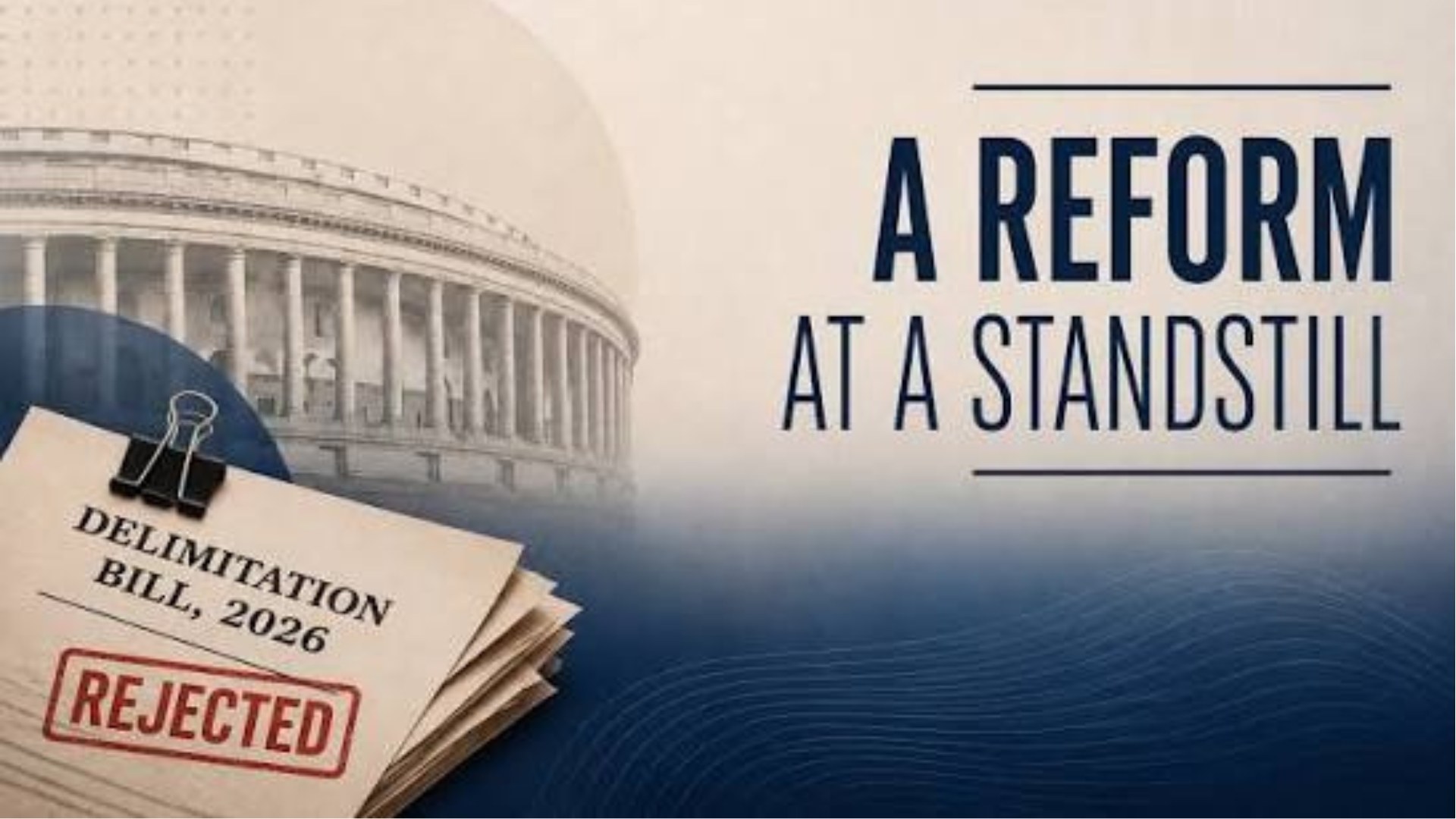
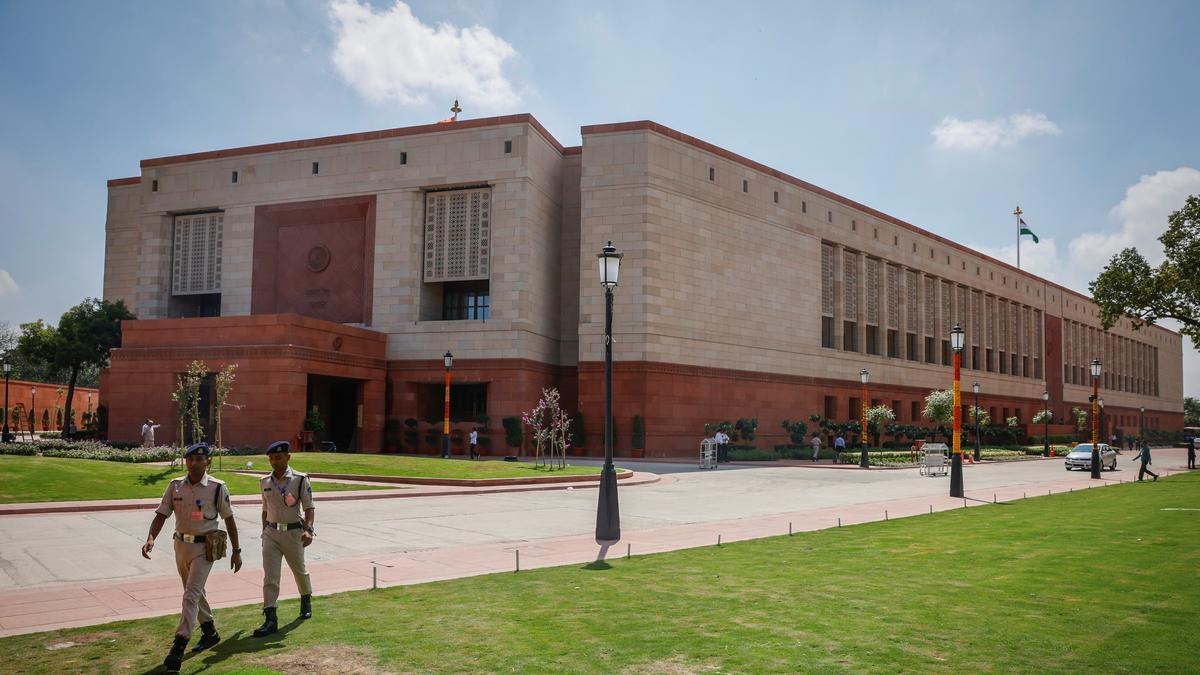
Parliament is scheduled to reconvene for a special sitting beginning November 30, with the Lok Sabha meeting first and the Rajya Sabha resuming on December 2. The proceedings are expected to conclude on December 3, subject to government business.

The proposed legislative agenda has drawn attention amid speculation that the Centre may revive its delimitation-linked proposal and seek changes to the implementation of women's reservation in Parliament and State Assemblies.
The proposal could significantly alter the composition of India's legislative institutions.
What is delimitation?
Delimitation refers to the process of redrawing electoral constituency boundaries and readjusting the allocation of seats based on population. Its purpose is to ensure broadly equal representation among constituencies and keep electoral boundaries aligned with demographic changes.
In India, delimitation applies to elections to the Lok Sabha and State Legislative Assemblies. The exercise is carried out through a Delimitation Commission under constitutional provisions, including Articles 81, 82 and 170.
Why is a new delimitation exercise being proposed?
The allocation of Lok Sabha seats among states has remained frozen on the basis of the 1971 Census following the 42nd Constitutional Amendment in 1976. The 84th Constitutional Amendment in 2001 extended the freeze until the publication of the first Census after 2026.
The freeze was intended to prevent states that had successfully controlled population growth from losing their parliamentary representation.
The proposed 2026 legislation seeks to change this arrangement and allow the next exercise to use the latest published Census figures, which are currently from 2011.
How could the Bill change Parliament?
The proposed Constitution (131st Amendment) Bill, 2026, seeks to increase the maximum strength of the Lok Sabha from 550 to 850 members. This would include up to 815 seats for states and 35 for Union Territories.
The proposed changes could also alter the relative representation of states. States such as Uttar Pradesh and Bihar could gain seats, while the relative share of southern states such as Tamil Nadu and Kerala could decline.
The Rajya Sabha's maximum strength would remain 250. If the Lok Sabha expands substantially, the balance between the two Houses could change, particularly during joint sittings of Parliament.
What is the connection with women's reservation?
The Constitution (106th Amendment) Act, 2023, introduced a 33 per cent reservation for women in the Lok Sabha and State Legislative Assemblies.
However, its implementation was linked to a Census conducted after the Act's commencement, followed by delimitation.
The proposed constitutional amendment seeks to remove this waiting requirement and link implementation to a delimitation exercise using published Census figures. This could make it possible to implement women's reservation before the 2029 general election, if the necessary legislation is passed and the process is completed.
What are the concerns surrounding delimitation?
The proposal has raised concerns about federal representation. States that have controlled population growth fear that a population-based redistribution could reduce their relative influence in Parliament.
There are also questions about the composition and powers of the proposed Delimitation Commission, the Census figures to be used and the balance between the Lok Sabha and Rajya Sabha.
The proposed changes are not yet an enacted law. Their eventual impact will depend on parliamentary approval, the final legal provisions and the delimitation process that follows.


0 comments
No comments yet. Yours would be the first.