
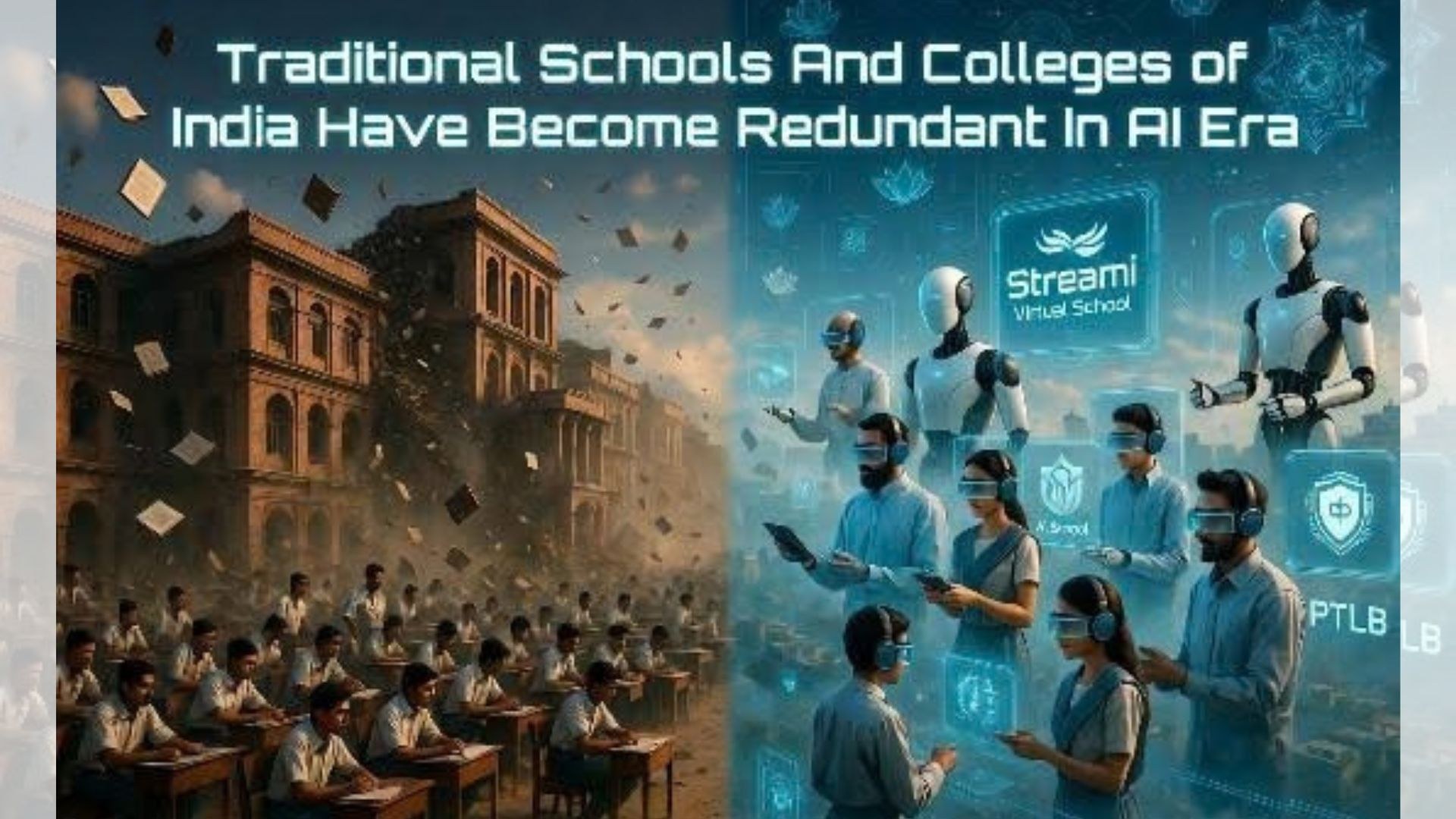
Indian universities need to rethink how they teach, assess and prepare students as artificial intelligence reshapes higher education and the workplace, according to FLAME University Vice-Chancellor Prof. Dishan Kamdar.

Kamdar said universities should move beyond disciplinary silos and focus on developing students who can adapt across multiple careers. He argued that employability should not be measured only by whether graduates secure their first job, but by their ability to learn, adapt and reinvent themselves over time.
He highlighted the importance of combining functional expertise with skills such as critical thinking, creativity, ethical judgement, collaboration and curiosity. Mentorship and exposure to different academic disciplines can also help students make better-informed career decisions.
AI is also changing the role of teachers and conventional assessment methods. Kamdar said AI can support learning but cannot replace human interaction, empathy and ethical guidance. Faculty members, he suggested, will increasingly become architects of the overall student learning experience rather than simply transmitters of information.
Universities may also need to reconsider examinations as generative AI becomes capable of producing essays and reports. Viva examinations, debates, open-book tests and other assessments that evaluate reasoning and first-principles thinking could become more important.
Looking towards 2030, Kamdar identified three broad priorities: breaking disciplinary boundaries, redesigning teaching and learning for the AI era, and making universities more agile in responding to industry and technological changes.
He also stressed that while universities should adopt AI, they must preserve deep disciplinary knowledge and the ability to think from first principles.


0 comments
No comments yet. Yours would be the first.