
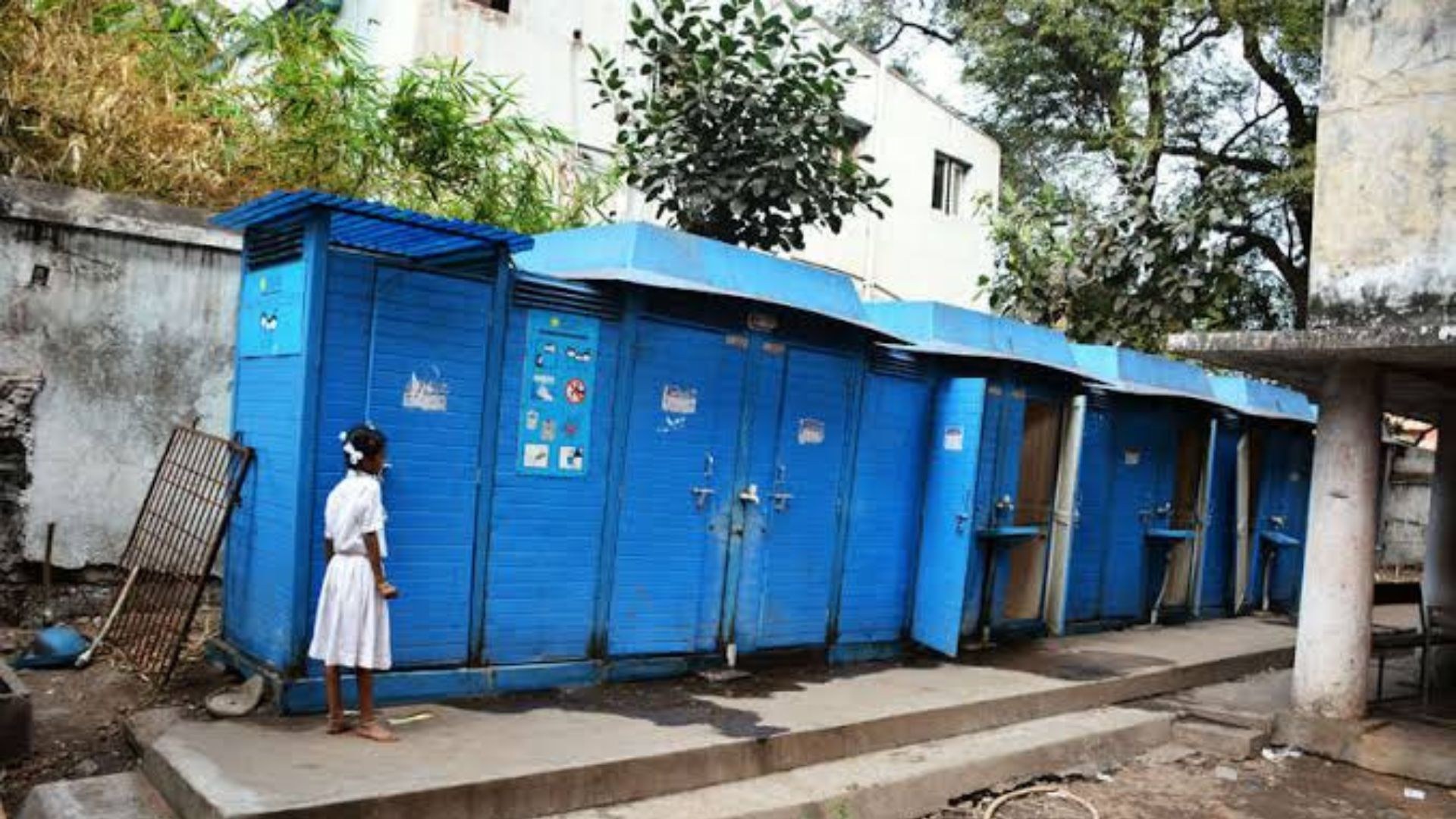
India has made significant progress in providing toilets and drinking water in schools since the launch of the Swachh Bharat Mission in 2014. However, recent data highlight a new challenge: ensuring that these facilities remain functional, clean and properly maintained.

The Swachh Vidyalaya initiative under the broader sanitation drive focused on providing separate toilets for boys and girls in government schools. According to the latest WHO/UNICEF Joint Monitoring Programme data, India’s access to basic drinking water in schools rose from 55% in 2015 to 97% in 2025.
School sanitation also improved during the period, with basic sanitation coverage increasing from 62% to 81%. The share of schools with no sanitation service fell from 27% to 14%.
Government data also point to substantial progress. The Ministry of Education’s UDISE+ 2025-26 data show that 98.5% of girls’ and co-educational schools have a girls’ toilet.
Yet having a toilet does not necessarily mean that it is usable. The WHO/UNICEF definition of basic school sanitation includes improved, single-sex facilities that are usable, making functionality and maintenance an important part of sanitation access.
This issue is particularly important for girls, for whom access to private, clean and functional toilets can influence attendance, dignity and learning. UNICEF also stresses that school WASH facilities need to remain clean, functional and well maintained to deliver their intended benefits.
The next phase of India’s school sanitation efforts, therefore, is increasingly about maintenance, hygiene and usability, rather than simply constructing more facilities.



0 comments
No comments yet. Yours would be the first.