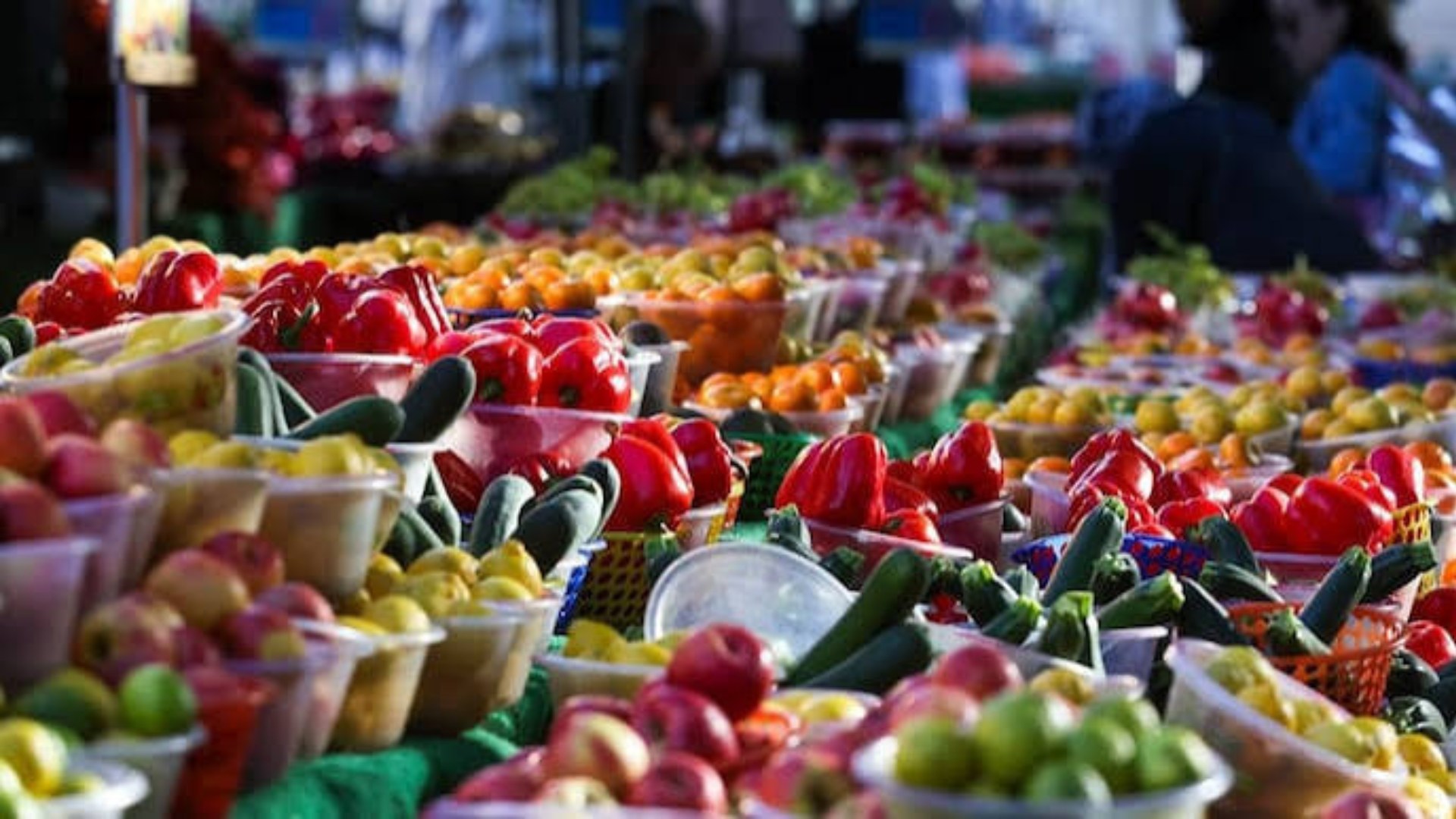
India's retail inflation climbed to 6.09% in October 2026, reaching a two-year high and crossing the Reserve Bank of India's (RBI) upper tolerance limit of 6%. Rising food prices, particularly vegetables, have emerged as a major factor behind the increase, raising concerns about further interest rate hikes.

Data released on November 12 showed that consumer food price inflation increased to 8.94% in October, compared with 7.74% in September. Inflation in the food and beverages category stood at 8.51%.
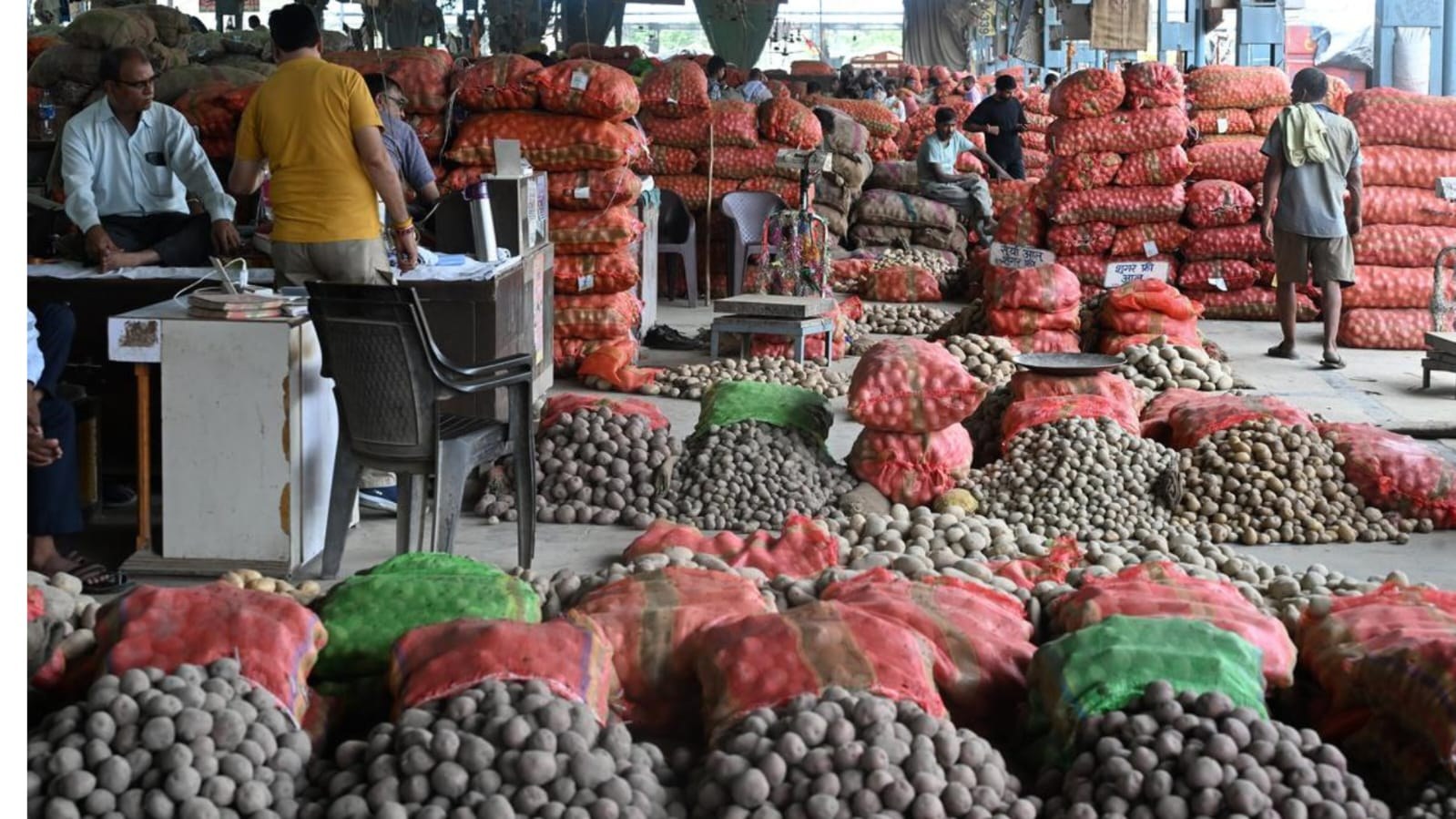
Vegetables recorded some of the sharpest price increases. Onion inflation reached 116.22%, the highest among the listed items, followed by garlic at 60.74%. Ginger and lemon prices also recorded substantial increases of 48.32% and 47.3%, respectively. Silver jewellery registered inflation of 52.39%.
Price pressures have also spread beyond food. Personal care, social protection and miscellaneous goods and services recorded inflation of 10.14%, while restaurants and accommodation services saw a 10.06% increase.
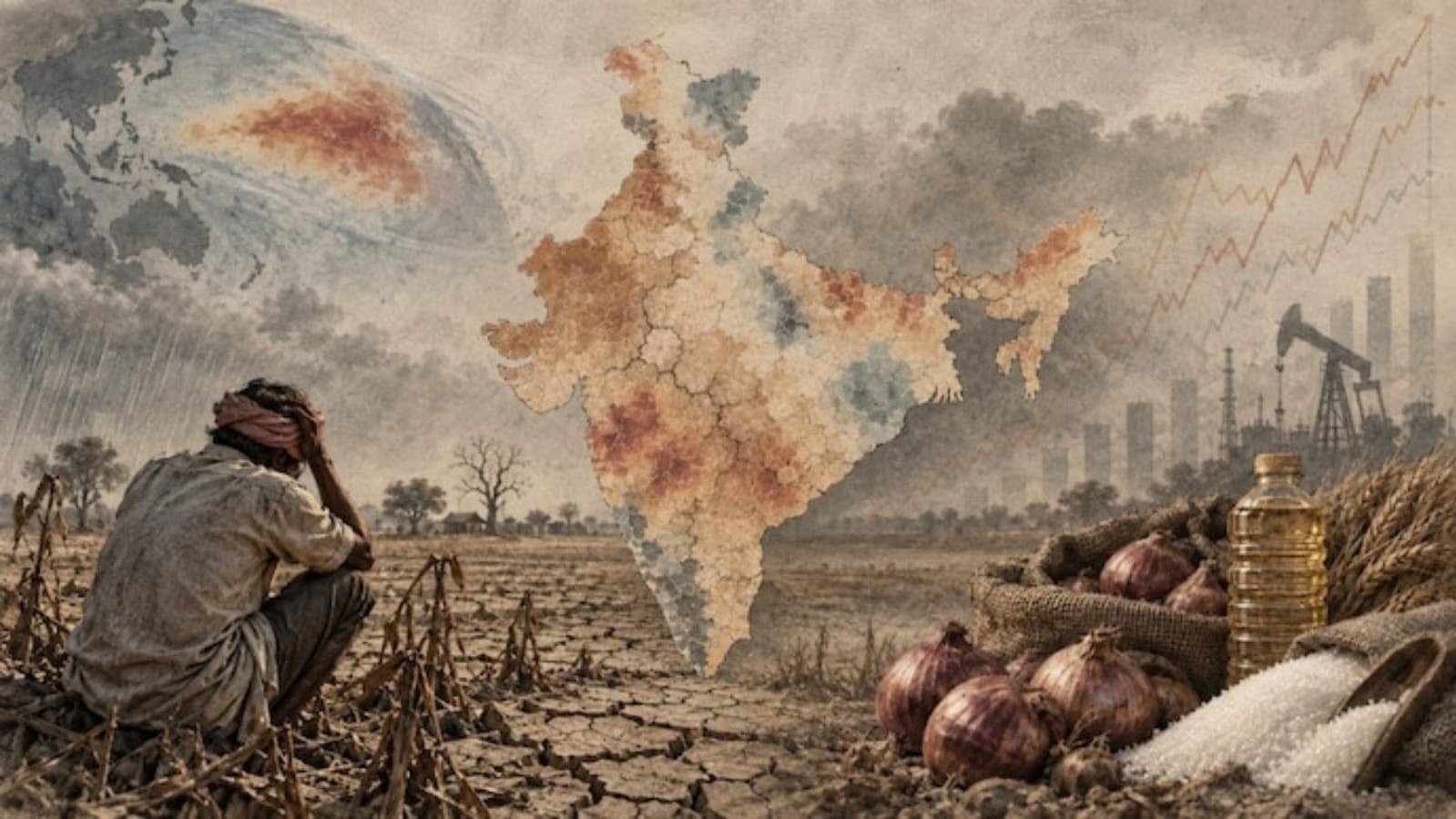
Economists expect inflation to remain elevated in the coming months, citing an unfavourable base effect, uneven monsoon conditions and higher input costs. Some also expect companies to pass on increased production expenses to consumers.
Kotak Mahindra Bank Chief Economist Upasna Bhardwaj expects the RBI to raise interest rates by another 50 basis points during FY27. Bank of Baroda Chief Economist Madan Sabnavis said the central bank could consider a 25–50 basis-point hike in its December policy review.
The RBI had already increased the repo rate by 25 basis points in its October policy review. With inflation remaining above its tolerance limit, the December monetary policy decision is likely to draw close attention from households, borrowers and businesses.







0 comments
No comments yet. Yours would be the first.