
India continues to face challenges in controlling leprosy transmission, with new cases, childhood infections and disability indicators exceeding targets set for the 2025-26 financial year.
The country reported 91,783 new leprosy cases during 2025-26, significantly above the projected 65,000 cases. The figures highlight the gap between national programme targets and the number of infections being detected across the country.
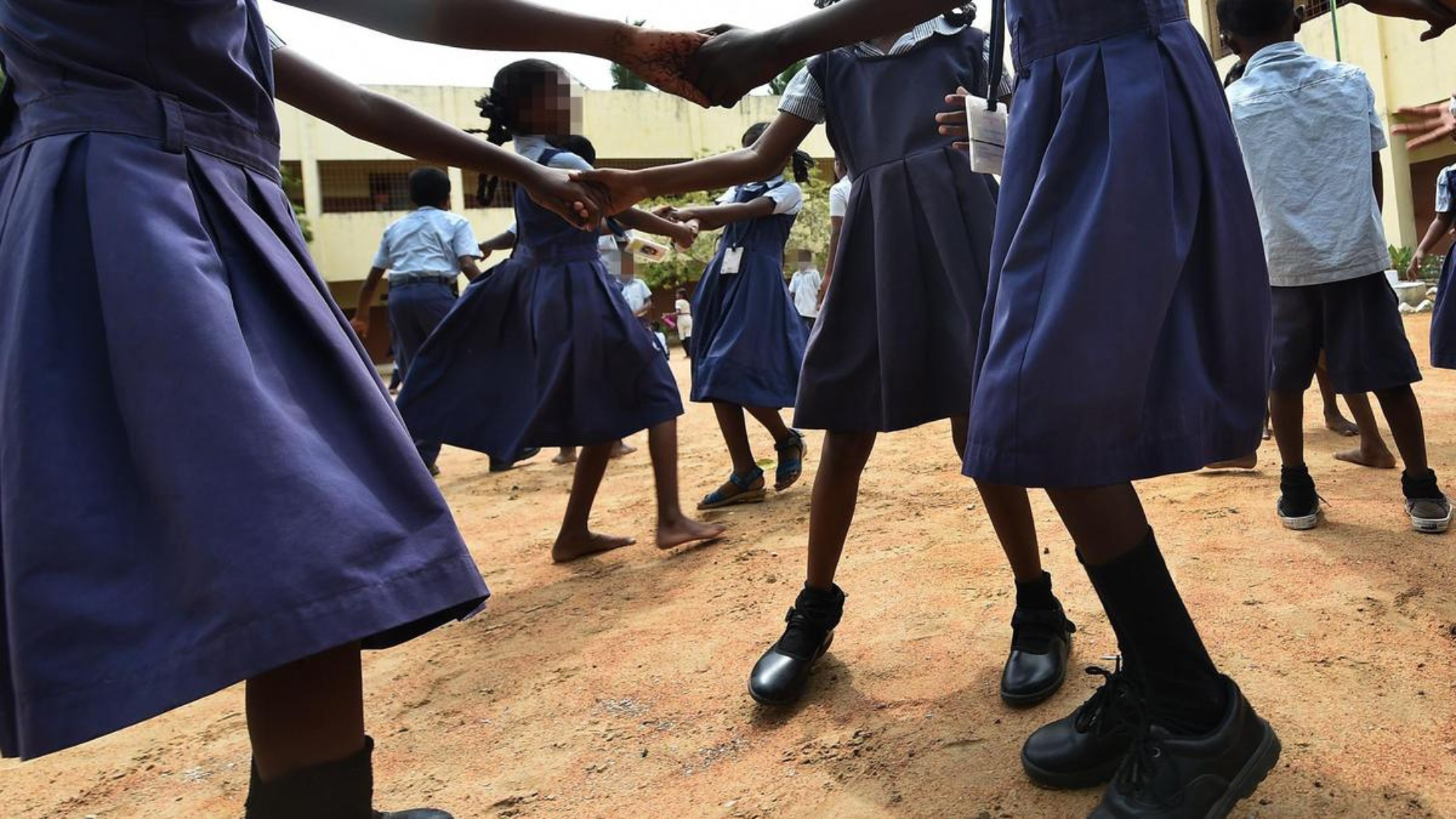
Childhood leprosy cases also exceeded projections. According to the figures cited in the report, the number of new cases among children was 91.6% higher than the target. Cases among children are an important indicator for public health authorities because they can point to continuing transmission within communities.
Another concern is Grade 2 Disability (G2D) among newly diagnosed patients. India recorded a G2D rate of 1.34 per million population, compared with the target of one per million. Grade 2 disability refers to visible deformities or severe damage associated with leprosy and can indicate that diagnosis occurred late.
India achieved elimination of leprosy as a public health problem at the national level in 2005, defined as a prevalence rate below one case per 10,000 people. However, elimination does not mean that transmission has stopped.
The National Leprosy Eradication Programme focuses on early detection, timely treatment, surveillance and disability prevention. Public health authorities also promote contact screening and preventive treatment for eligible contacts.
The latest figures underline the need to strengthen case detection, improve access to treatment and reduce stigma. Identifying infections early remains essential to interrupting transmission and preventing long-term disability.




0 comments
No comments yet. Yours would be the first.