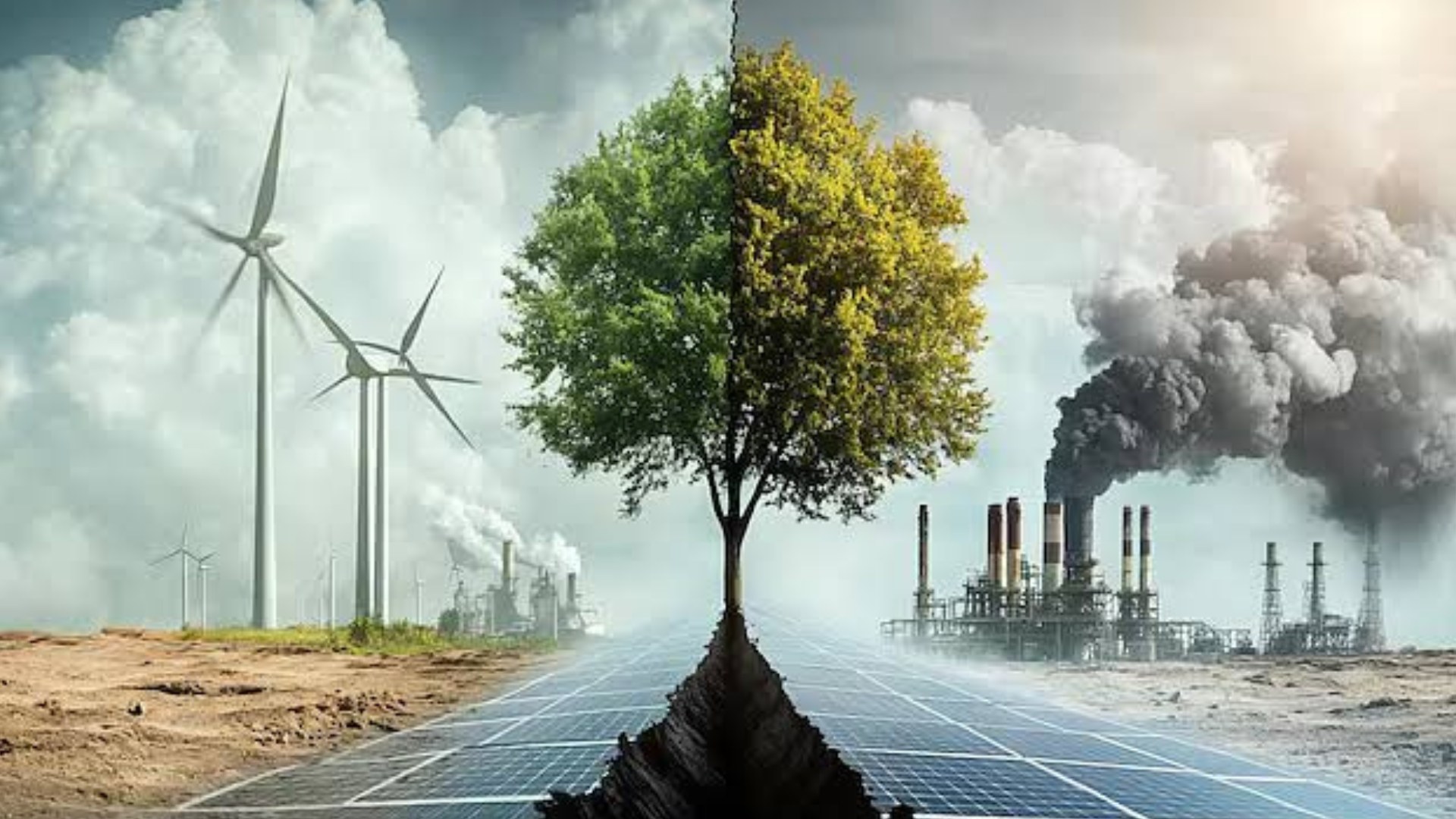
India’s rising electricity demand is putting pressure on the country to expand power generation while reducing emissions. In an article, Jaideep Mishra argues that the energy transition must combine faster renewable energy development with more efficient thermal power plants and stronger grid infrastructure.

India’s power consumption reportedly rose more than 20% year-on-year in October 2026, reaching nearly 160 billion units. The country’s per capita electricity consumption remains below 1,500 kWh, leaving considerable room for demand growth as economic activity expands.
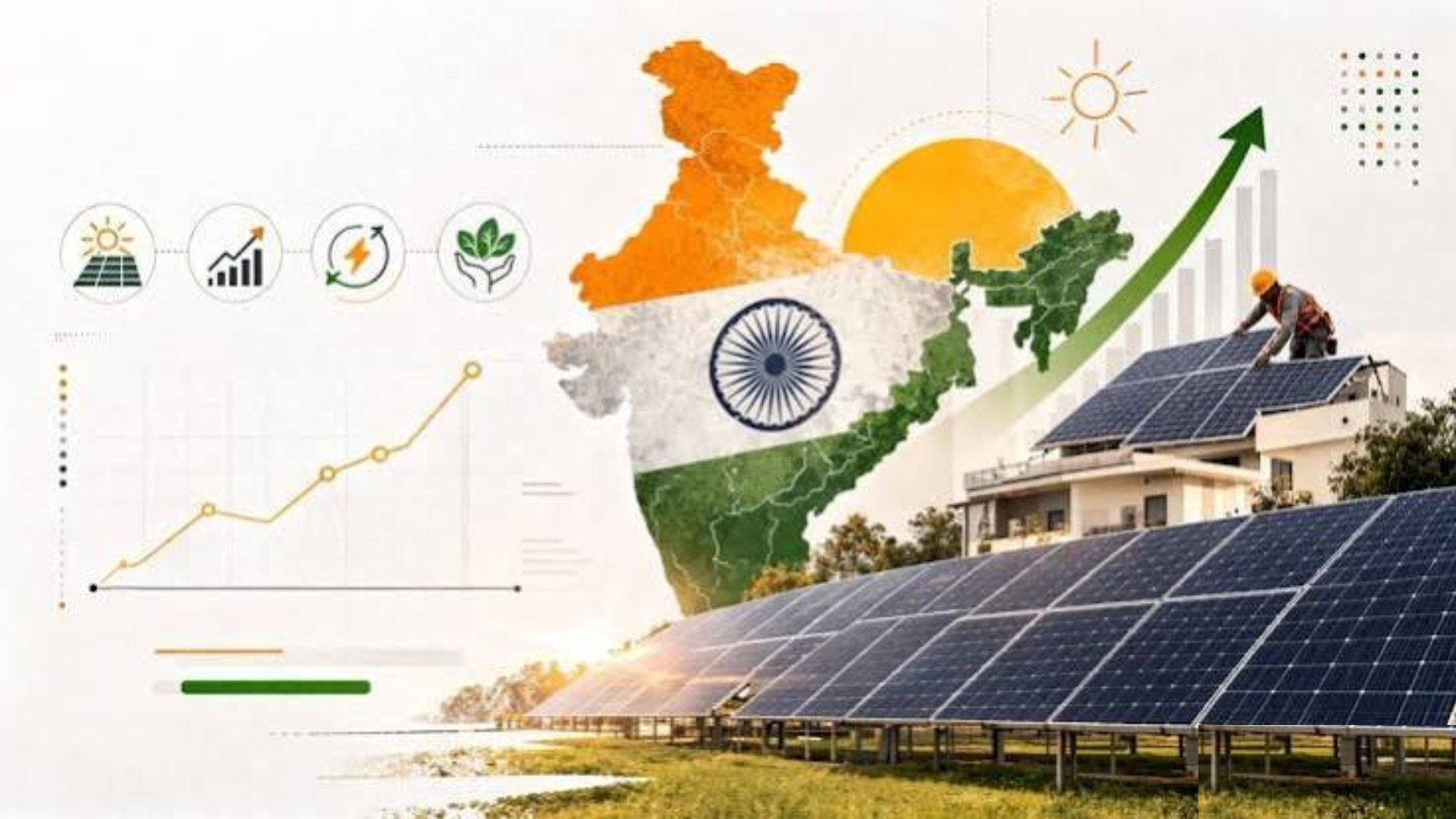
Solar, wind and large hydroelectric projects together account for around 300 GW of installed capacity, according to the article. India aims to reach 500 GW of renewable energy capacity by 2030. However, variable generation from solar and wind makes energy storage and grid integration essential to matching electricity supply with demand.
The article estimates India’s grid-scale energy storage capacity at around 12 GW and notes that the Central Electricity Authority envisages a six-fold increase by 2031-32.
Coal-fired thermal power remains central to the electricity mix, accounting for about 71% of actual generation. The article puts coal-based capacity at around 230 GW and says thermal capacity may need to expand further as peak demand rises.
Mishra argues that newer technologies, including ultra-supercritical and advanced ultra-supercritical boilers, could improve plant efficiency and reduce emissions. Coal gasification combined-cycle technology is also discussed as a potential route to better use of Indian coal.
The article points to early carbon-utilisation projects at NTPC facilities, including methanol production using captured carbon dioxide at Vindhyachal and reported work involving hydrogen and flue gas at Simhadri.
The broader challenge, it concludes, is to develop affordable storage and lower-emission power technologies while meeting India’s growing electricity needs.







0 comments
No comments yet. Yours would be the first.