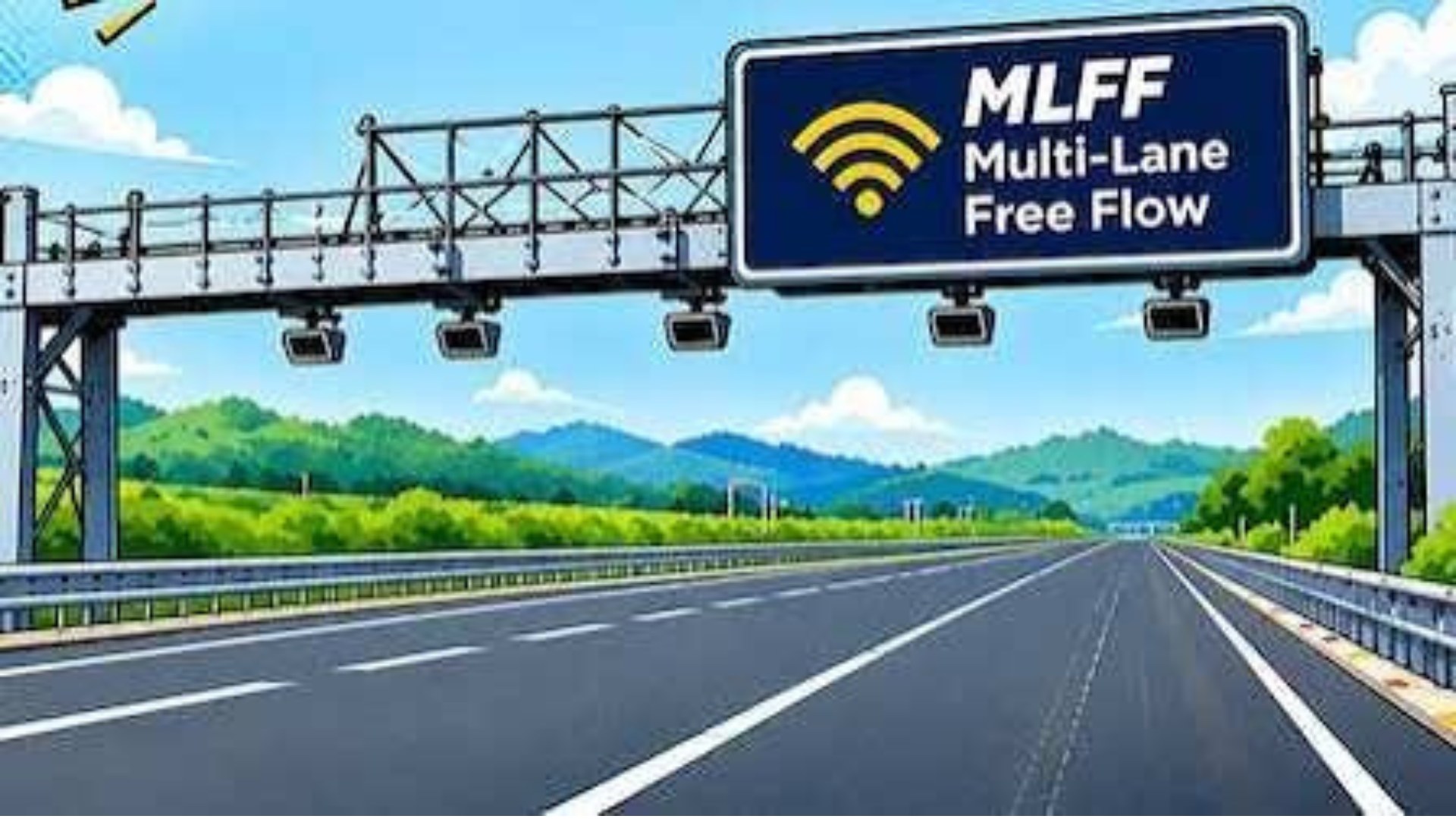
India's shift towards barrier-free highway toll collection has recorded a significant increase in revenue, with the National Highways Authority of India (NHAI) reporting a 19.84% rise in net toll collections across seven operational plazas.

According to data released by the Ministry of Road Transport and Highways, the seven plazas generated ₹538.95 crore in net revenue, compared with approximately ₹449.72 crore during the corresponding pre-implementation period. The figures cover performance up to October 31, 2026, representing an additional collection of around ₹89.23 crore.
The system uses Multi-Lane Free Flow (MLFF) technology, which allows vehicles to pass through toll points without stopping at physical barriers. It combines FASTag-enabled electronic payments with Automatic Number Plate Recognition (ANPR) cameras and AI-based analytics to identify vehicles and collect the applicable toll automatically.
The country's first barrier-free tolling system was launched at Choryasi Fee Plaza in Gujarat on May 1, 2026, by Union Road Transport and Highways Minister Nitin Gadkari. It was subsequently introduced at Mundka in Delhi, Daulatpura and Manoharpura in Rajasthan, Gharaunda in Haryana, Shahjahanpur in Uttar Pradesh and Paranur in Tamil Nadu.
NHAI has also reported cases of motorists concealing or tampering with vehicle registration plates to avoid toll payments. To address the issue, the authority is deploying AI-based vehicle fingerprinting and integrating the system with the VAHAN database. Electronic notices are being issued to recover unpaid toll fees, while police checkpoints have been established at selected locations.
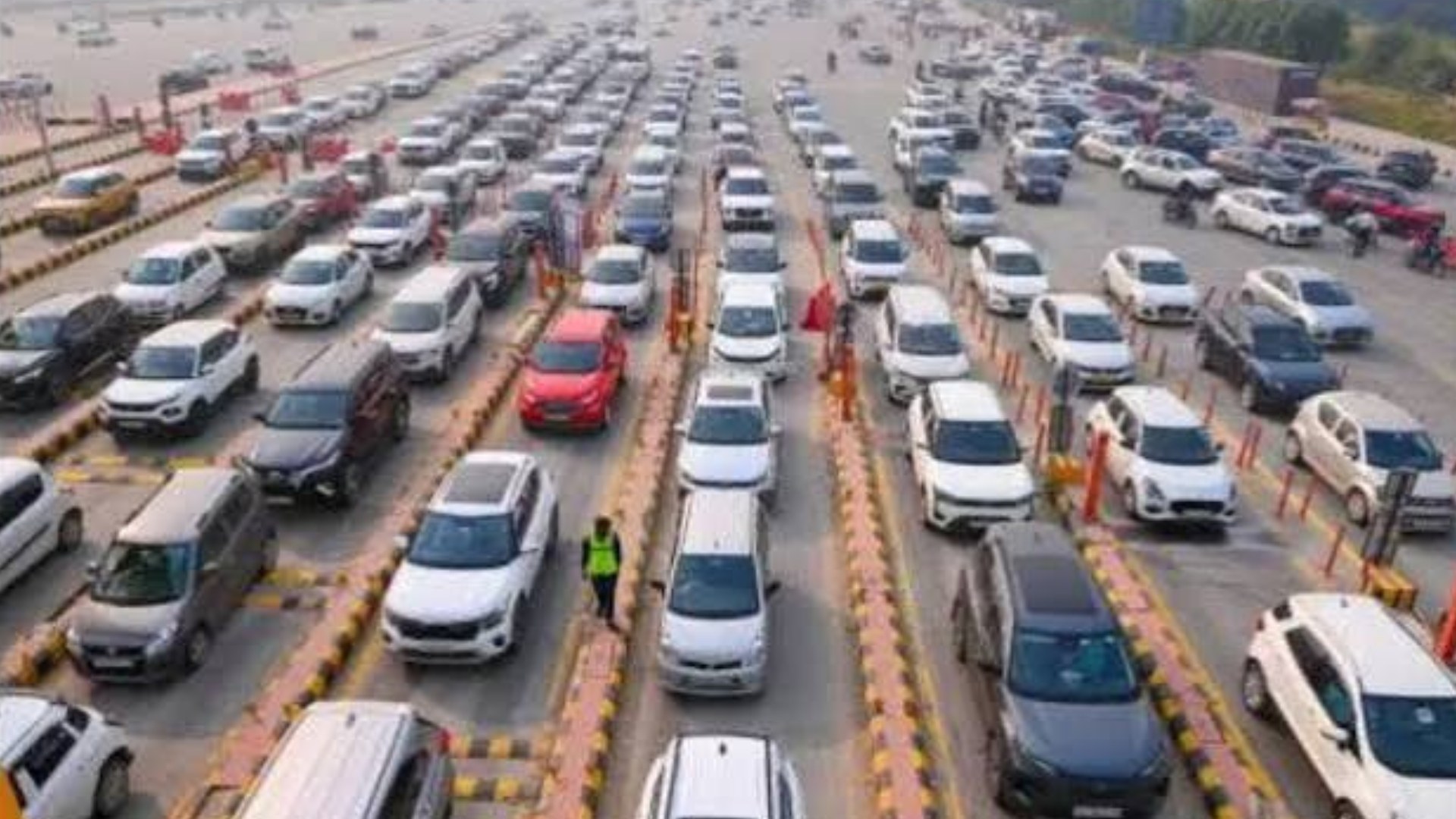
According to NHAI, around 60% of the value of electronic notices issued across the plazas has already been recovered. The authority says the system is improving collection efficiency while reducing congestion, travel time and fuel consumption.






0 comments
No comments yet. Yours would be the first.