
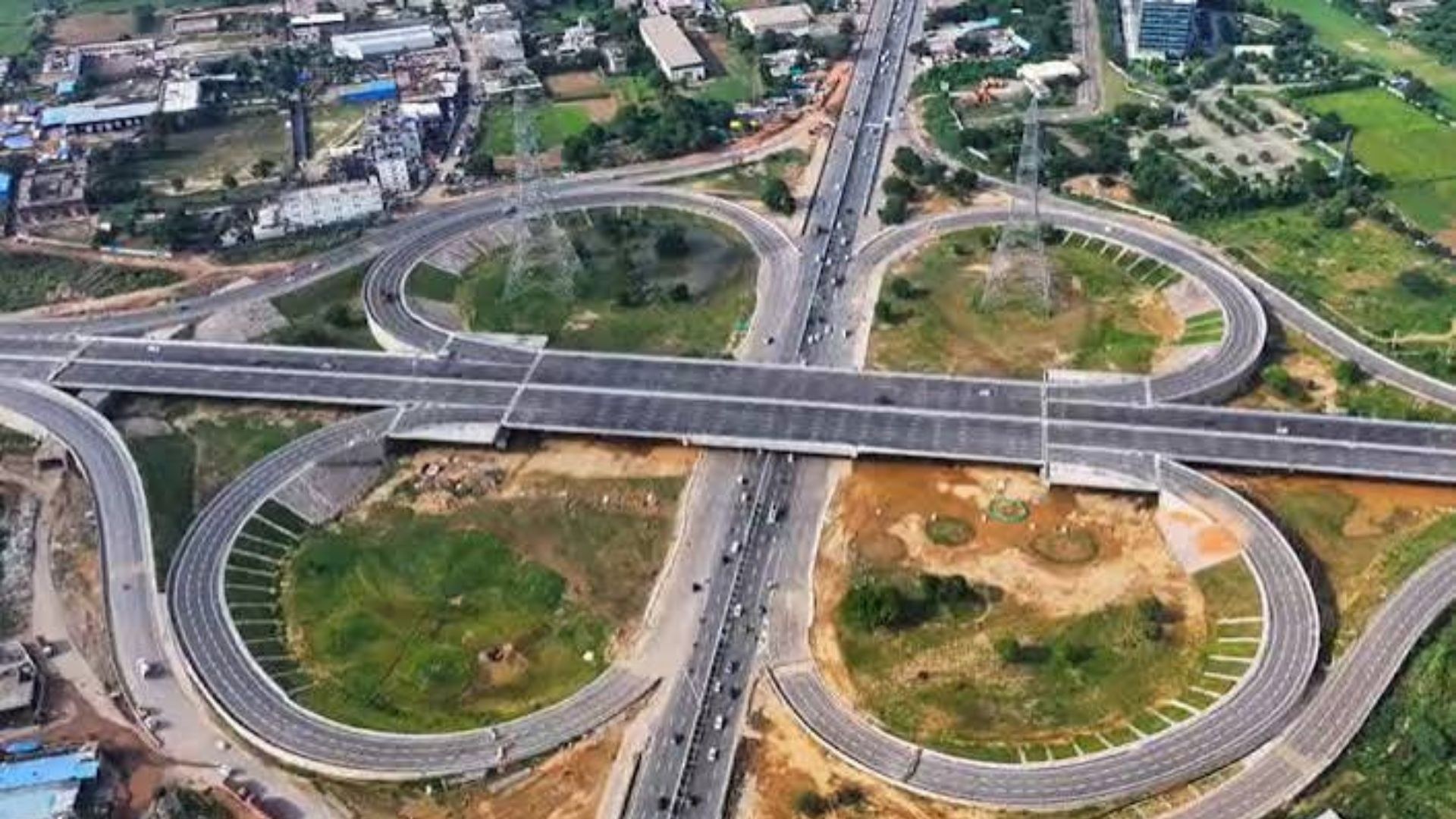
India’s highways are increasingly adopting artificial intelligence (AI) and intelligent traffic management systems to improve traffic monitoring, detect road incidents and support faster responses to emergencies. From the Dwarka Expressway to the Bengaluru–Mysuru highway, technology is becoming an important part of how road infrastructure is monitored and managed.

India’s national highway network reached 1,46,572 km in March 2026, compared with 91,287 km in FY14, according to a government backgrounder released in August 2026. As the network expands, technology-enabled monitoring can help authorities manage traffic more efficiently and identify potential safety risks across busy road corridors.
The Dwarka Expressway has emerged as an example of this shift towards digitally managed highways. Spanning 56.46 km, the corridor includes a 5.1-km, eight-lane urban road tunnel. Its AI-enabled infrastructure supports real-time monitoring and incident detection, helping authorities identify accidents, stalled vehicles and other road hazards.
Unlike conventional surveillance cameras, which mainly record road activity, AI-powered video analytics can analyse live footage to identify unusual events and flag situations that may require attention. This can help control-room teams assess incidents more quickly and coordinate an appropriate response.
AI can also help distinguish between different types of road incidents, such as a stationary vehicle, an accident or another unexpected obstruction. By generating alerts with relevant information, these systems can support decision-making and reduce the time required to identify potential disruptions. Their effectiveness, however, depends on factors such as camera coverage, system accuracy and the speed of the response team.
The Bengaluru–Mysuru highway offers another example of technology being integrated into highway operations. The National Highways Authority of India (NHAI) has deployed an Advanced Traffic Management System (ATMS) on the corridor using technology from Vehant Technologies. The system combines video-based incident detection and vehicle-speed monitoring with a command-and-control centre.
These functions serve different but complementary purposes. Incident detection helps identify events that could disrupt traffic or create safety risks, while speed detection supports the monitoring of vehicle speeds for enforcement and road safety. Bringing these capabilities together allows operators to monitor highway conditions and respond to reported events through a centralised system.
The wider adoption of intelligent traffic management systems could help highway authorities move from reactive monitoring towards more proactive operations. Faster identification of accidents and obstructions may support emergency coordination, reduce the time taken to recognise traffic disruptions and help authorities make better use of available surveillance infrastructure.
However, AI technology is not a substitute for effective enforcement, road engineering or timely emergency services. Camera coverage, reliable connectivity, accurate detection, maintenance and coordination between agencies remain essential. False alerts or missed incidents can also limit the effectiveness of automated systems, making human oversight important.
As India continues to expand its highway network, the experience of corridors such as the Dwarka Expressway and the Bengaluru–Mysuru highway highlights the growing role of digital technology in road operations. The long-term impact will depend on how reliably these systems detect hazards, support enforcement and help authorities respond when incidents occur.




0 comments
No comments yet. Yours would be the first.