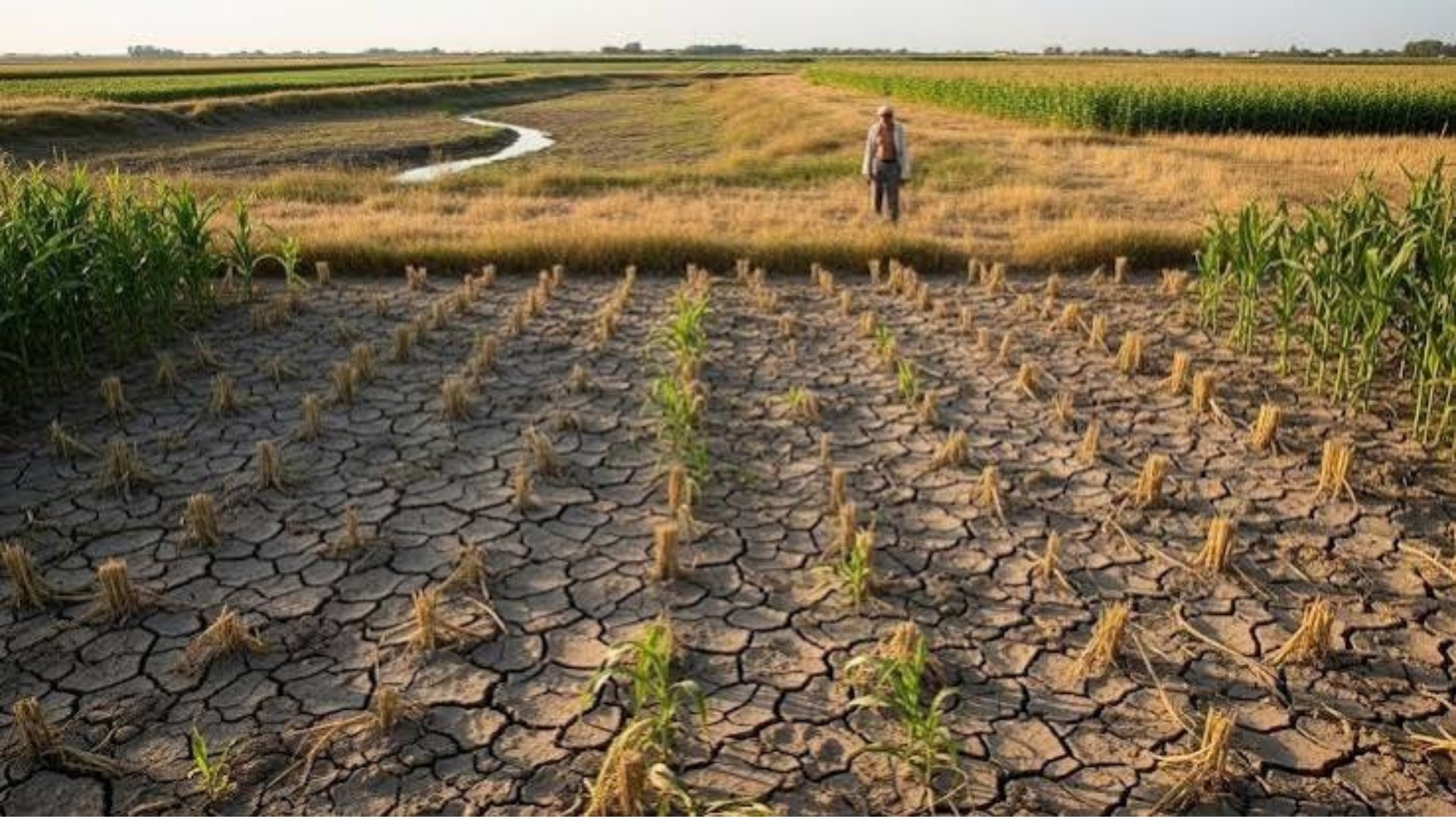
A strengthening El Niño event in the Pacific Ocean is raising concerns about global weather patterns, with potential consequences for agriculture, food production and supply chains. The phenomenon is expected to remain strong into early 2027, increasing the likelihood of unusual rainfall patterns, droughts and extreme heat in several regions.

A report by Business Today, citing meteorologist Ryan Maue and the New York Post, highlighted a localised area near the Galapagos Islands and the coast of Peru where sea surface temperatures were reportedly around 10°C (18°F) above average. This figure refers to a specific hotspot, not the entire Pacific Ocean.
The broader warming is also significant. The World Meteorological Organization (WMO) forecast that the Niño 3.4 sea surface temperature anomaly could reach approximately 3.8°C during November 2026–January 2027. The organisation has warned that a very strong El Niño can influence rainfall and temperature patterns across the world.
Agriculture faces potential disruption
Agriculture is among the sectors exposed to El Niño-related weather changes. Reduced rainfall can affect crop growth, water availability and irrigation, while prolonged heat can increase stress on crops and livestock. Excessive rainfall and flooding in other regions can damage fields, delay harvesting and disrupt transport.
The November 2026 Crop Monitor for Early Warning report identifies risks of drier-than-average conditions in parts of northern South America, Southern Africa, the Maritime Continent and western and northern Australia. These patterns could affect agricultural production and food security, although impacts will vary by location and crop.
What could it mean for India?
India is also monitoring the developing conditions. El Niño can influence the country's monsoon, although its effects are not identical every year and are shaped by other climate factors.
India's 2026 monsoon season recorded rainfall 12.6% below the long-period average, according to figures reported from the India Meteorological Department. The potential for continued weather variability could create challenges for farmers, particularly where crops depend heavily on seasonal rainfall.
Food prices and supply chains under pressure
Weather-related crop losses can affect the availability and cost of agricultural commodities. Disruptions to production, storage and transport may put pressure on food supply chains, while higher irrigation and cooling requirements can increase operating costs for farms and agribusinesses.
However, El Niño does not automatically cause a global food shortage or higher prices. The actual impact will depend on regional weather conditions, crop performance, water reserves and the ability of governments and businesses to respond.
With the event expected to remain influential into 2027, farmers, food companies and policymakers will be watching rainfall forecasts and agricultural conditions closely.





0 comments
No comments yet. Yours would be the first.