India’s approach to poverty reduction has shifted towards addressing the conditions that keep households vulnerable, Finance Minister Nirmala Sitharaman has said. In an opinion article, she cited a World Bank Poverty and Equity Brief stating that nearly 500 million Indians moved out of poverty between 2011 and 2023, while extreme poverty had been almost eradicated.

Sitharaman said the government’s approach has moved beyond temporary financial relief to improving access to essential services, financial systems and opportunities for earning a livelihood.
She highlighted several welfare programmes, including Swachh Bharat, Jal Jeevan Mission, Ujjwala Yojana, PM Awas Yojana and Ayushman Bharat. According to the minister, these initiatives have improved access to sanitation, household water connections, cleaner cooking fuel, permanent housing and cashless hospital care.
The article also pointed to the expansion of financial inclusion through more than 590 million Jan Dhan accounts, which enable direct transfers of government benefits. Sitharaman said access to bank accounts can also help households build savings and establish a financial record that may support access to formal credit.
She cited the MUDRA scheme, under which 600 million loan accounts have been sanctioned, with around two-thirds going to women. PM SVANidhi and PM Vishwakarma were also highlighted as programmes supporting street vendors and traditional artisans.
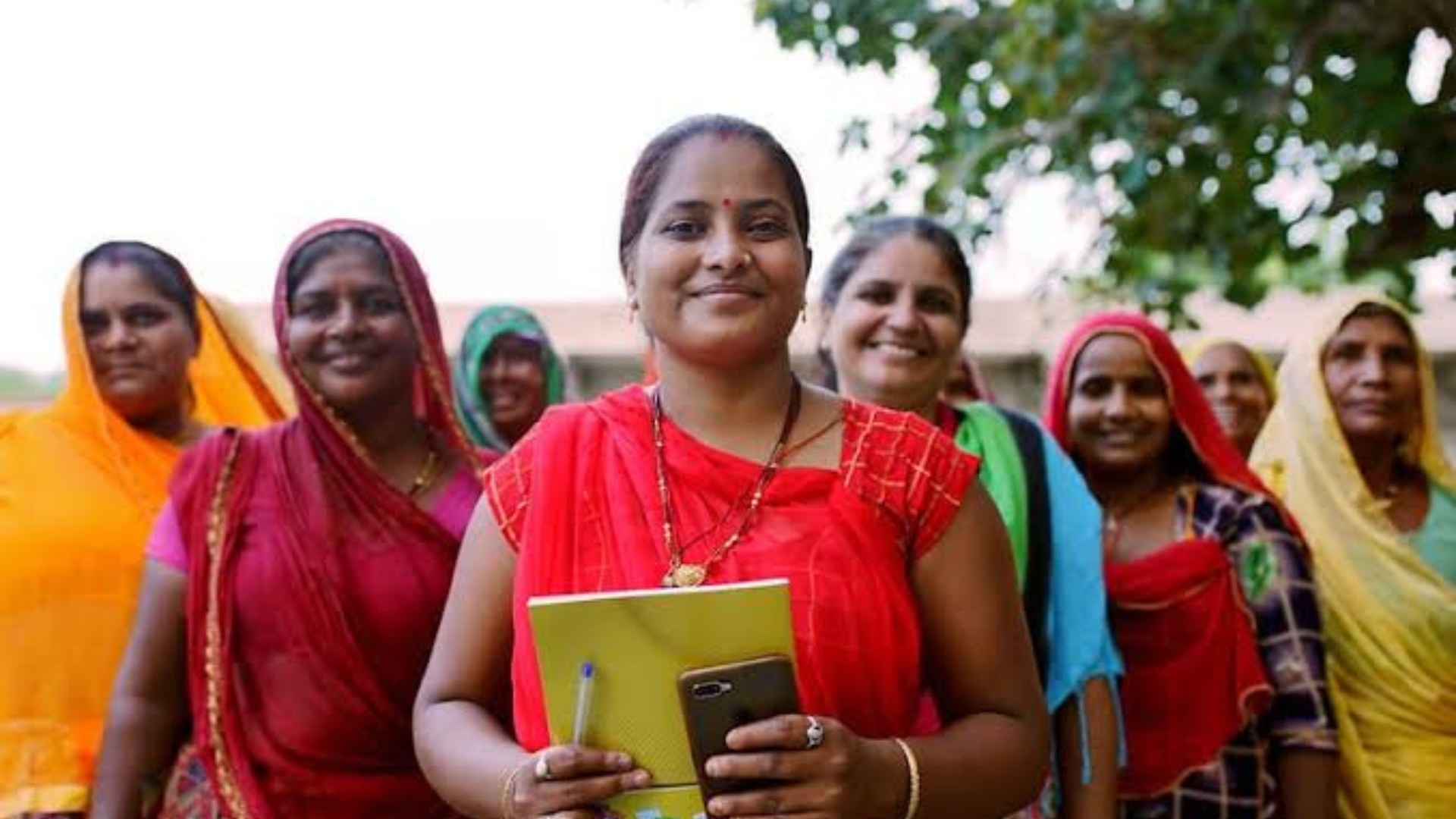
Women’s self-help groups have played a significant role in the government’s livelihood strategy, she said. The minister stated that around 10 crore rural women participate in these groups and that more than 37 million women have become lakhpati didis.
Looking ahead, Sitharaman said the next phase of poverty reduction must combine continued support for vulnerable households with wider access to finance, markets, infrastructure and the digital economy. She linked these efforts to the government’s Viksit Bharat 2047 ambition.





0 comments
No comments yet. Yours would be the first.