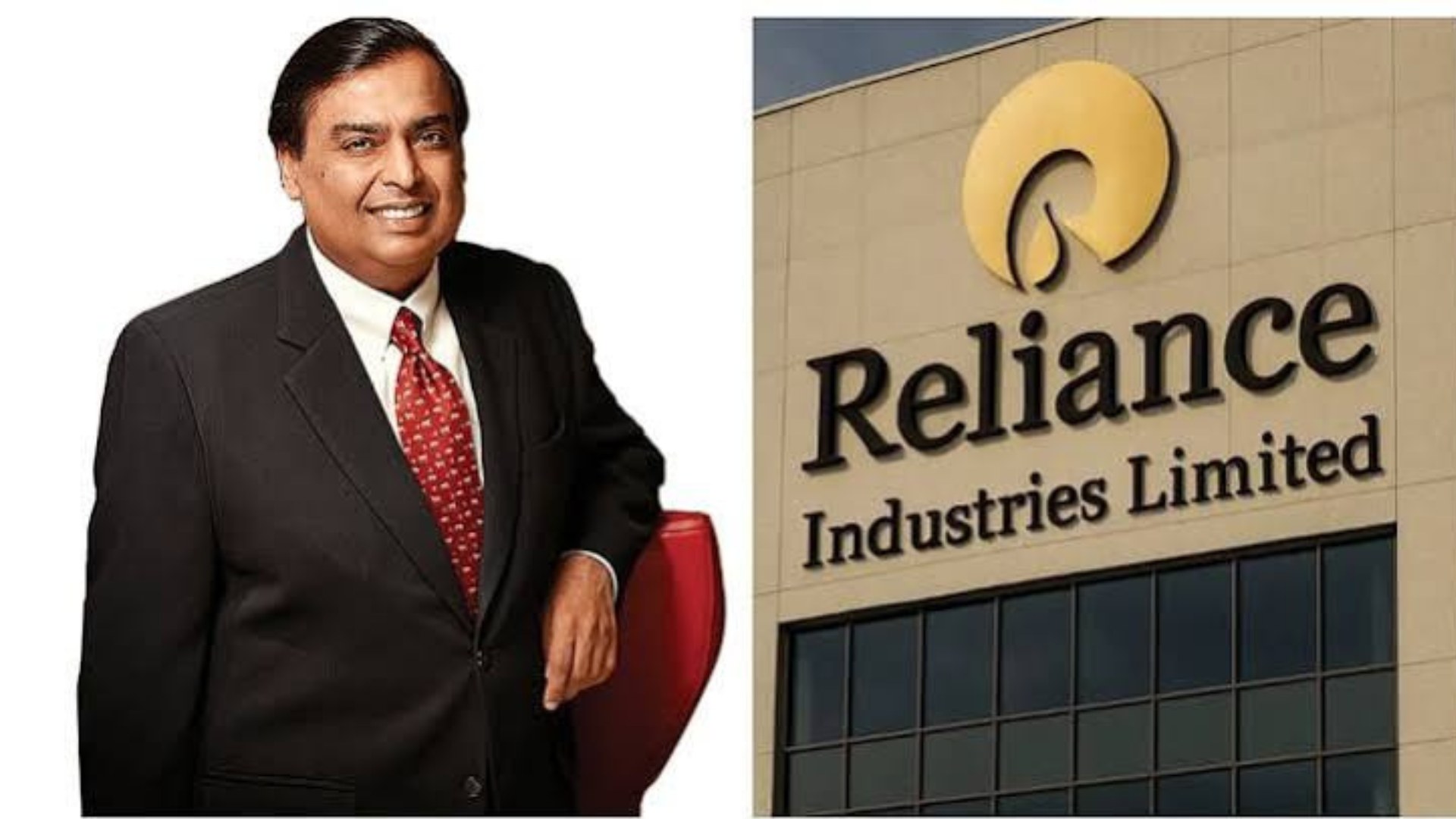
For decades, Reliance Industries has built its business around scale. Under Mukesh Ambani’s leadership, the group has expanded from its traditional strengths in refining and petrochemicals into telecom, retail, media and digital services. Now, its next phase of growth is taking shape around artificial intelligence (AI), data centres and new energy.

The scale of that transformation was evident in the listing of Jio Platforms on October 28, which raised ₹30,188 crore in what the supplied report describes as India’s biggest initial public offering. The listing also brought public investors into Reliance’s digital business, which has become a major contributor to the group’s revenues.
Jio has grown into India’s largest telecom operator, with 542 million subscribers, while Reliance Retail operates nearly 20,000 stores across more than 7,000 towns. Together, the two businesses generated ₹4.78 lakh crore in revenue in FY26, according to the report.
AI and data centres move into focus
Reliance’s ambitions now extend beyond telecom and retail. The company has announced plans to invest $110 billion in AI over seven years, alongside its partnership with Google to accelerate AI adoption in India.
Building this infrastructure will require substantial computing capacity and reliable electricity. This makes data centres and energy generation closely connected parts of Reliance’s strategy.
The group is also pursuing its renewable-energy plans, including investments in gigafactories, energy storage, green hydrogen and fuel cells. Its stated ambition to bring green hydrogen production costs down to $1 per kg within a decade reflects the scale of its longer-term energy goals.
Retail, media and consumer businesses
Reliance’s consumer strategy is built around connecting telecom, retail and media. Jio provides digital distribution, retail offers access to consumers, and media creates opportunities to retain audiences through entertainment and sports.
The company’s media expansion gained momentum through the combination of Reliance and Disney’s Indian operations. Its sports rights and association with the Mumbai Indians also give it access to large audiences, although monetising premium sports content remains a challenge.
Reliance is expanding its FMCG presence as well. Its portfolio includes Campa beverages, packaged foods, staples and personal-care products. The report says Campa recorded gross sales of ₹4,700 crore in FY26.
Succession and the challenges ahead
The next generation is already involved in key parts of the business. Akash Ambani leads Jio Platforms, Isha Ambani is associated with the retail business, and Anant Ambani oversees energy operations.
However, Reliance’s expansion also carries risks. The company has faced setbacks in its US shale gas venture and the proposed Saudi Aramco investment in its oil-to-chemicals business. It continues to navigate disputes involving gas production and resource claims, among other matters.
The central challenge is turning its next major investments into profitable businesses while managing an increasingly complex conglomerate. Reliance has already demonstrated its ability to build at scale in refining, telecom and retail. Its next chapter will depend on whether it can do the same with AI, data infrastructure and new energy.







0 comments
No comments yet. Yours would be the first.