
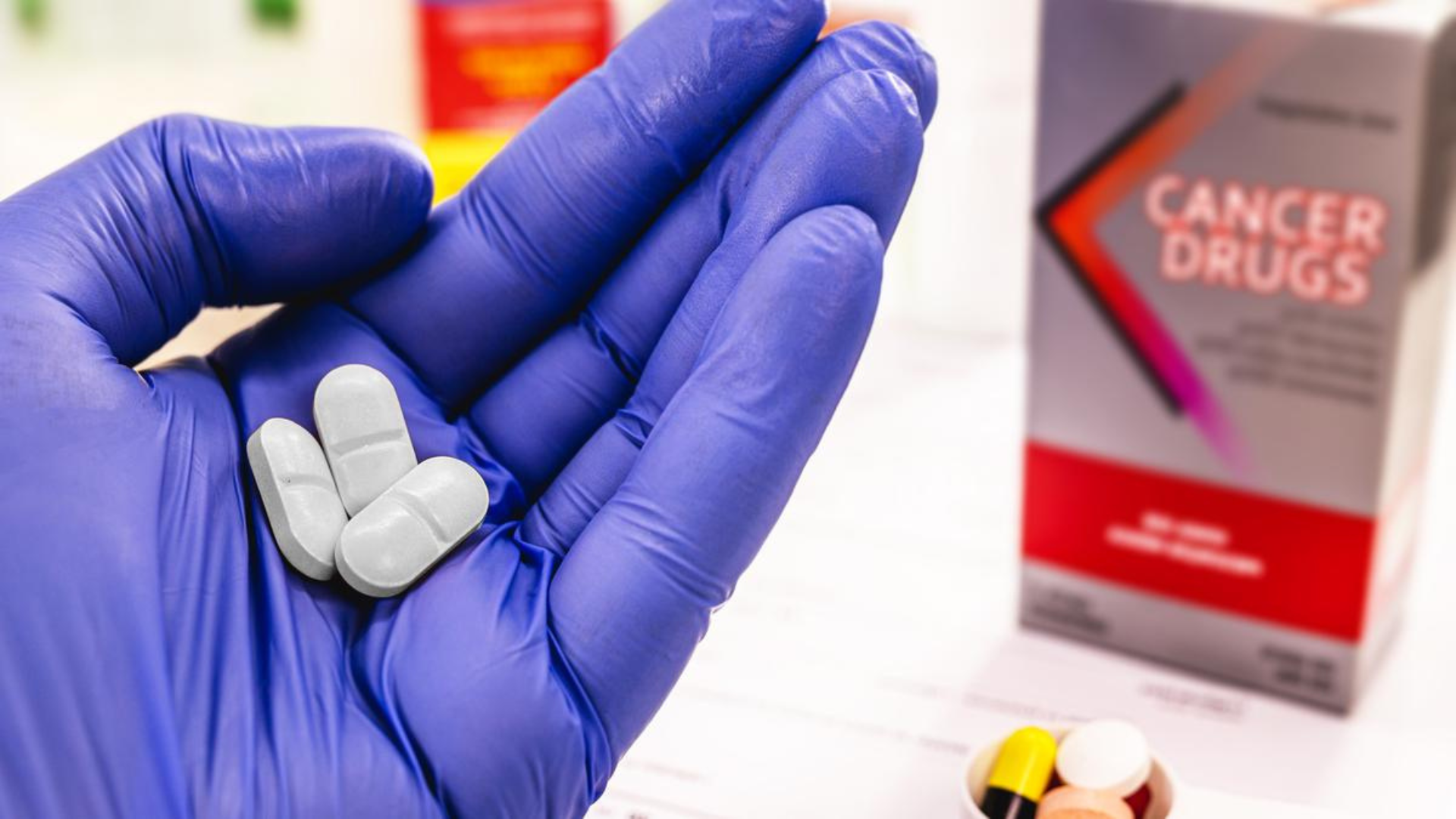
The Union government has approved a 30% cap on trade margins for non-scheduled anti-cancer medicines, aiming to make cancer treatment more affordable and reduce patients’ out-of-pocket expenses.
The measure will cover branded and generic medicines, including domestically manufactured and imported drugs, as well as patented and non-patented products. An expert committee under the Directorate General of Health Services (DGHS) will finalise the list of medicines covered by the policy.
An analysis by the National Pharmaceutical Pricing Authority (NPPA) found that trade mark-ups on non-scheduled cancer medicines averaged around 170%, reaching as high as 700% in some cases. These additional costs can significantly increase the prices patients pay for treatment.
The government expects the intervention to reduce the maximum retail prices (MRPs) of affected medicines by approximately 20% to 70%, depending on existing trade margins. The policy is projected to generate annual savings of around ₹2,500 crore for patients.
Cancer medicines already included in the scheduled list are subject to government-set price controls. The new measure extends price protection to non-scheduled medicines, which fall outside that existing framework.
The decision builds on a 2019 intervention, when trade margins were capped on 42 selected non-scheduled anti-cancer medicines. According to the government, that measure reduced the MRPs of hundreds of brands and delivered substantial savings to patients.
To help prevent shortages, manufacturers covered by the new measure will be required to maintain current production levels.
The policy is intended to curb excessive mark-ups, improve pricing transparency and expand access to essential cancer treatment. Its impact will depend on the final list of covered medicines and how the revised prices are implemented.




0 comments
No comments yet. Yours would be the first.