Diwali celebrations took place across India on Sunday, November 8, with homes and markets illuminated by decorative lights and diyas. Firecrackers were also heard in several areas as people marked the festival.

Prime Minister Narendra Modi celebrated Diwali with security personnel in Bastar, Chhattisgarh, an area that was once affected by Naxalism. He also exchanged festive greetings with President Droupadi Murmu alongside Vice President C P Radhakrishnan at Rashtrapati Bhavan.
Across the country, political leaders and residents joined the celebrations. Uttar Pradesh Chief Minister Yogi Adityanath offered prayers at the Hanumangarhi and Ram temples, while thousands of lamps illuminated Srinagar's iconic Ghanta Ghar at Lal Chowk. Tourists and local residents also took part in the festivities.
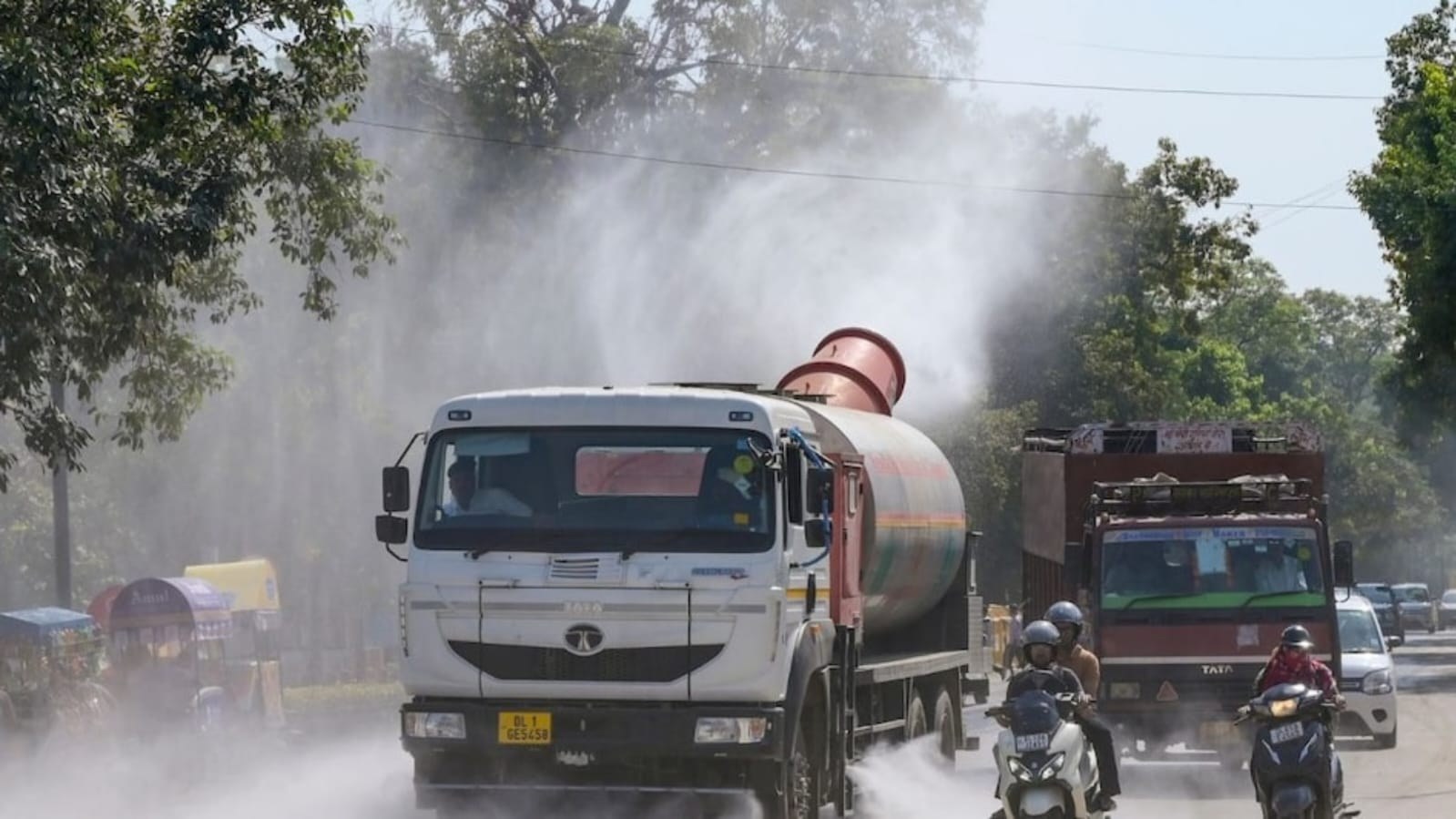
In Delhi, authorities stepped up security and emergency arrangements to enforce restrictions on firecracker use. Only certified green firecrackers were permitted, with the prescribed timings set at 6 am to 7 am and 8 pm to 10 pm. Delhi Police deployed teams across crowded markets and residential areas to monitor compliance, while the fire department activated its emergency response plan.
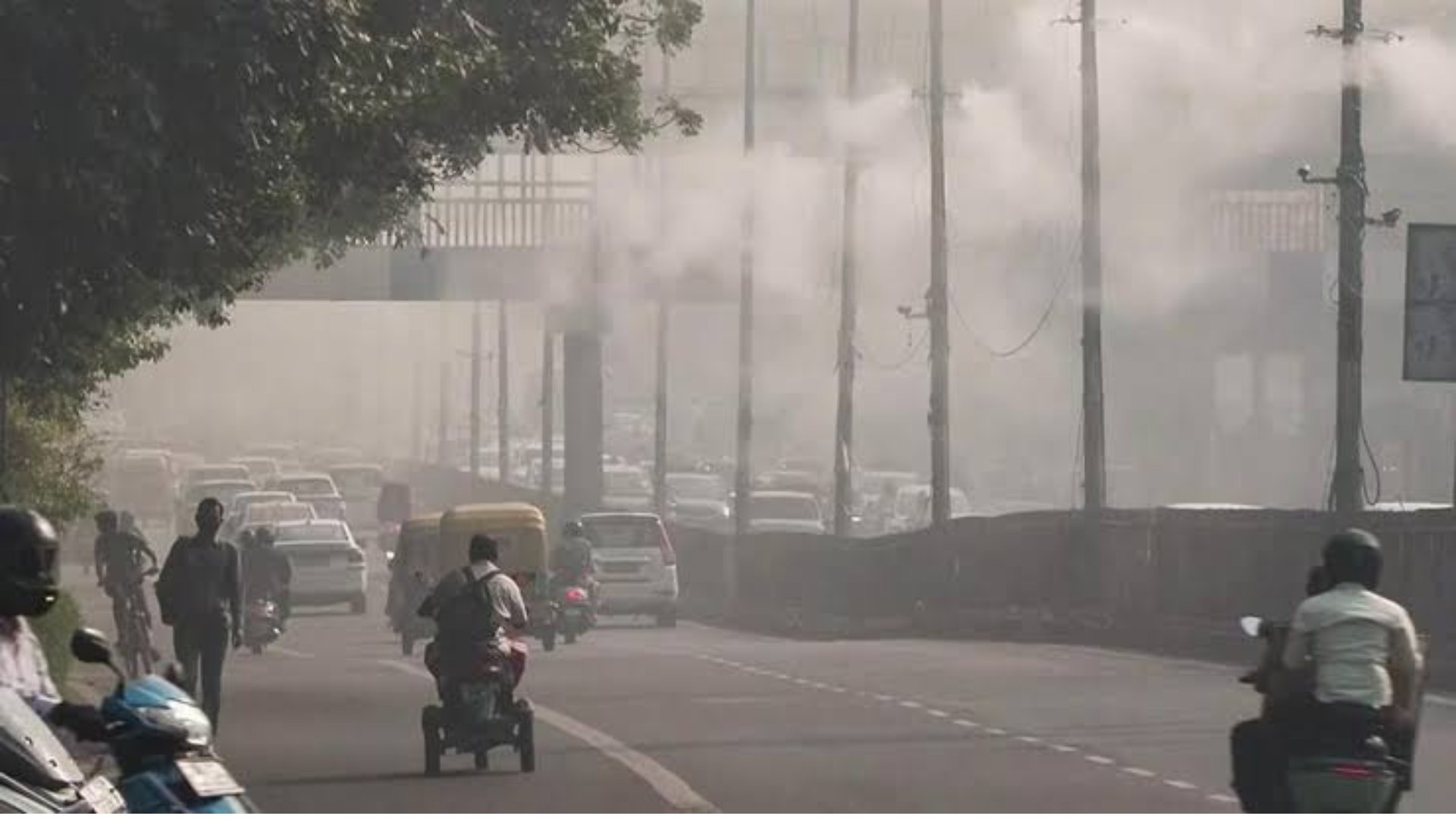
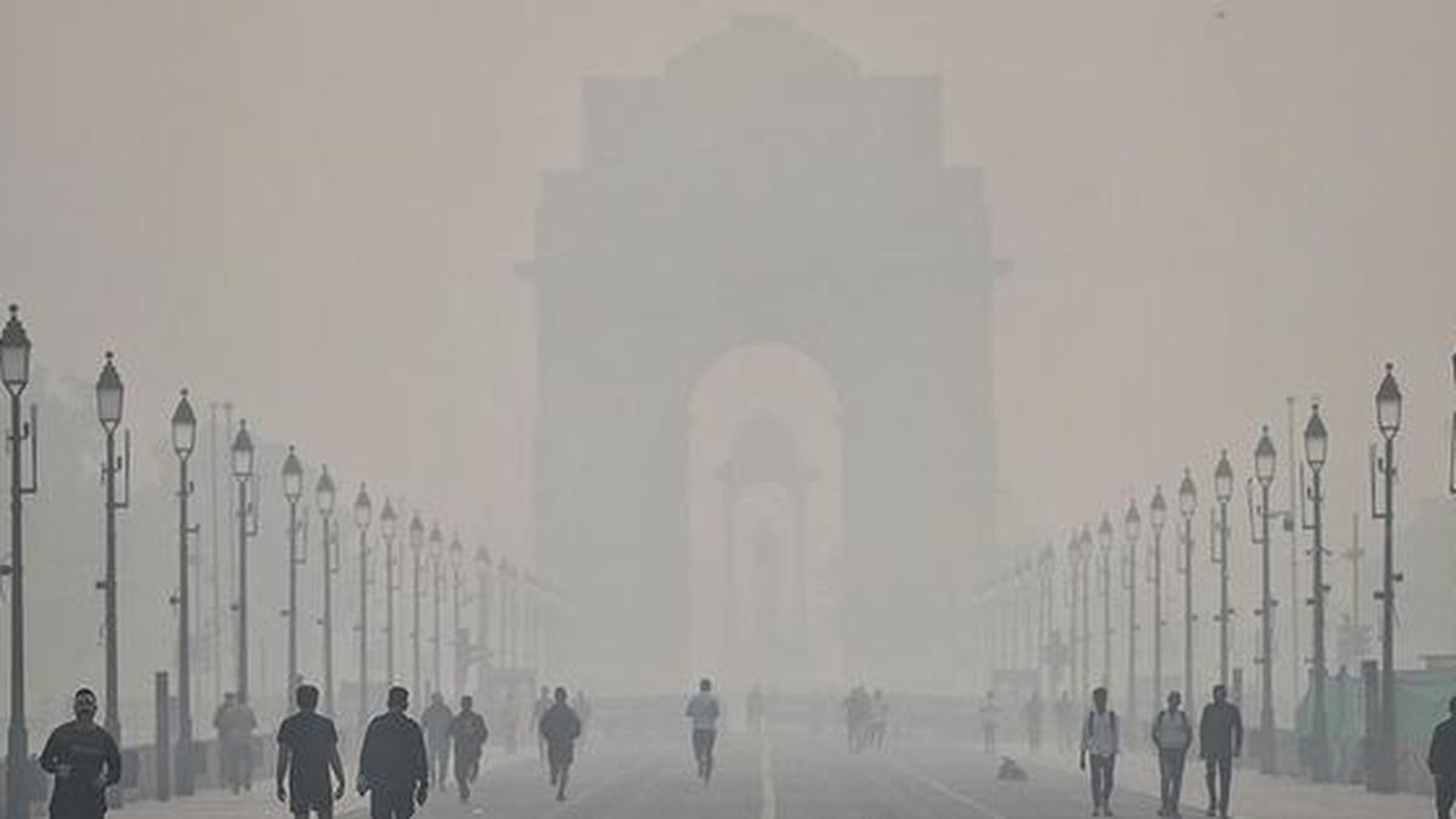
However, the celebrations coincided with worsening air quality in the national capital. Delhi's average Air Quality Index (AQI) stood at 376 on Sunday, placing it in the 'very poor' category. A thick layer of smog covered parts of the city and reduced visibility.
Air quality was forecast to deteriorate further and reach the 'severe' category on Monday. Firecracker emissions, vehicular pollution and seasonal stubble burning were identified as contributing factors.


0 comments
No comments yet. Yours would be the first.