
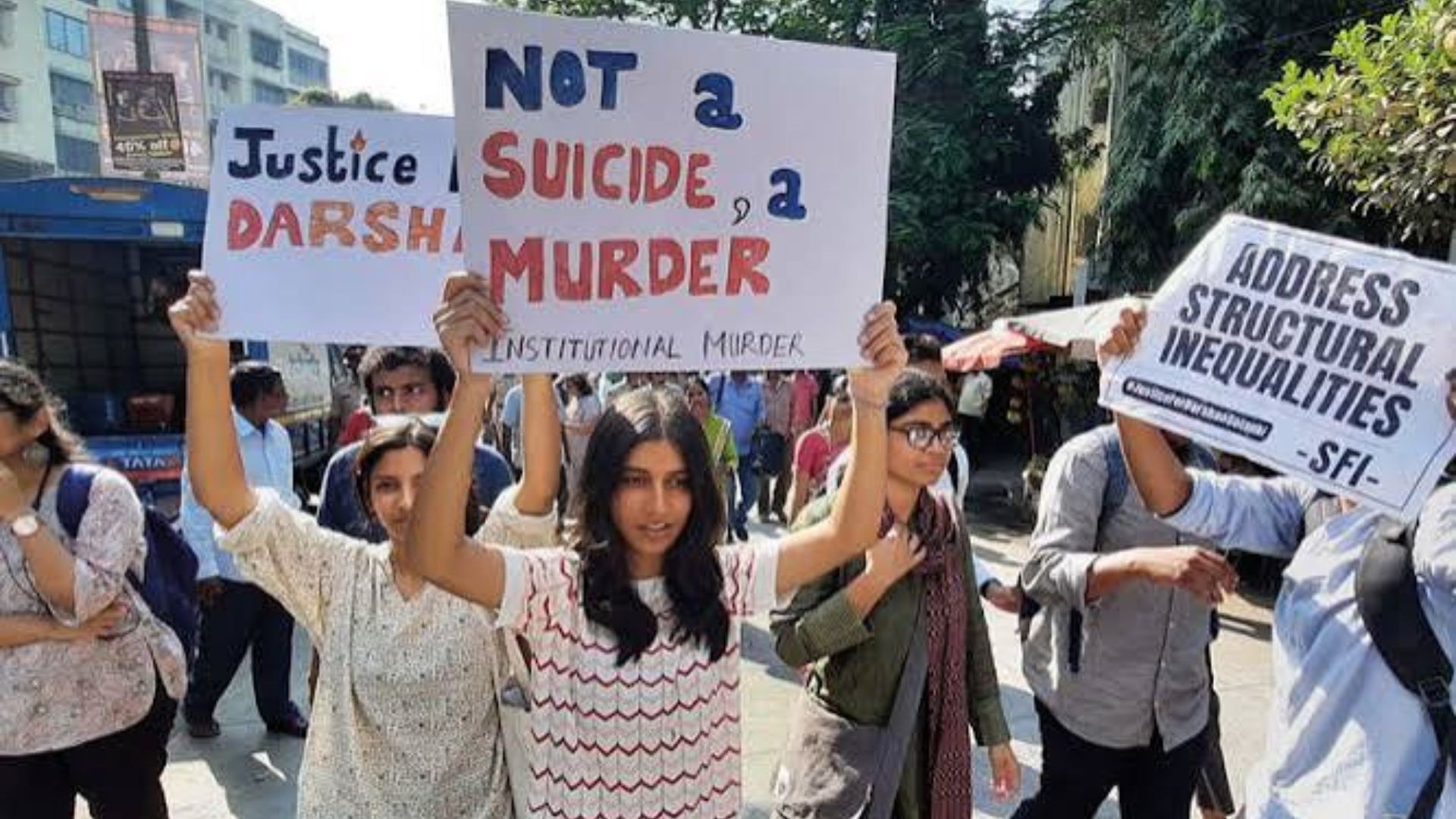
For many Dalit students, studying abroad represents an opportunity to pursue education without the social barriers they have faced in India. However, caste discrimination can follow them across borders, affecting their experiences in universities, classrooms and social circles.

The experiences of Dalit students studying overseas have drawn attention to how caste-based prejudice can persist within sections of the Indian diaspora. Moving to an international university may offer new academic opportunities, but it does not necessarily remove deeply rooted social hierarchies.
Sanjana Choudhary, a 23-year-old student from the outskirts of Bhopal in Madhya Pradesh, arrived at Oxford to pursue a master’s degree in South Asian History on a prestigious scholarship. She hoped the move would allow her to focus on her education without the burdens associated with caste, class and geography.
Her background reflects the challenges experienced by some Dalit families across generations. The struggle for social recognition and equal access to education can begin early, shaping students’ experiences long before they enter universities abroad.
For students from marginalised communities, discrimination may extend beyond formal educational settings into accommodation, friendships, campus organisations and everyday interactions. Such experiences can make it difficult to find a sense of belonging, even in institutions that promote diversity and inclusion.
Student-led initiatives, including the Dr. Ambedkar Society, provide support networks and spaces for discussion about caste, gender and racial inequality. These platforms help students share experiences and raise awareness of systemic discrimination.
The issue highlights the importance of universities recognising caste-based prejudice as part of broader conversations about equality and student welfare. Ensuring inclusive campuses requires more than welcoming international students; it also means addressing discrimination wherever it occurs.


0 comments
No comments yet. Yours would be the first.