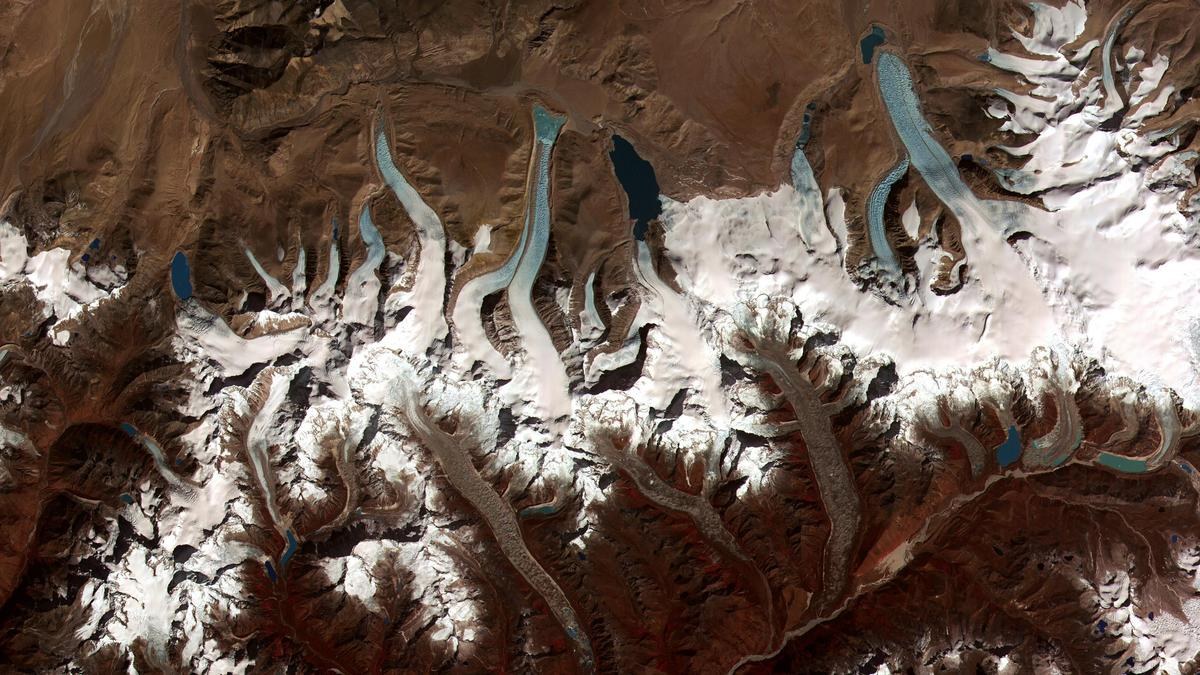
A Glacial Lake Outburst Flood (GLOF) in neighbouring Bhutan has triggered high-alert and evacuation warnings in parts of West Bengal, raising concerns about possible flooding along the Sankosh River.

The flood occurred after the Shintaphu glacial lake burst its banks on Friday, October 30, 2026. The sudden release of water washed away infrastructure at the Gasa Tshachu natural hot springs in Bhutan, according to media reports.
Bhutan’s state broadcaster, BBS, reported that no injuries or deaths had been recorded so far. However, the incident has prompted concern over the potential impact on communities located downstream in India.
Following the development, authorities in West Bengal issued high-alert warnings for residents living along the Sankosh River. Evacuation advisories were also issued as a precautionary measure to protect people in vulnerable areas.
A Glacial Lake Outburst Flood occurs when water accumulated in a glacial lake is suddenly released, often because a natural barrier of ice or rock collapses. Such events can generate powerful flows of water that travel rapidly downstream, damaging roads, bridges, buildings and settlements.
The Himalayan region is particularly vulnerable to these events because rising temperatures and changing glacier conditions can contribute to the formation and expansion of glacial lakes.
The latest flood has once again highlighted the importance of early-warning systems and disaster preparedness in Himalayan river basins. Coordination between Bhutanese and Indian authorities is also important for monitoring water levels and communicating risks to downstream communities.
Although no casualties have been reported in Bhutan, the situation remains a concern for residents along the Sankosh River. Authorities are expected to continue monitoring the situation and issuing safety instructions as required.









0 comments
No comments yet. Yours would be the first.