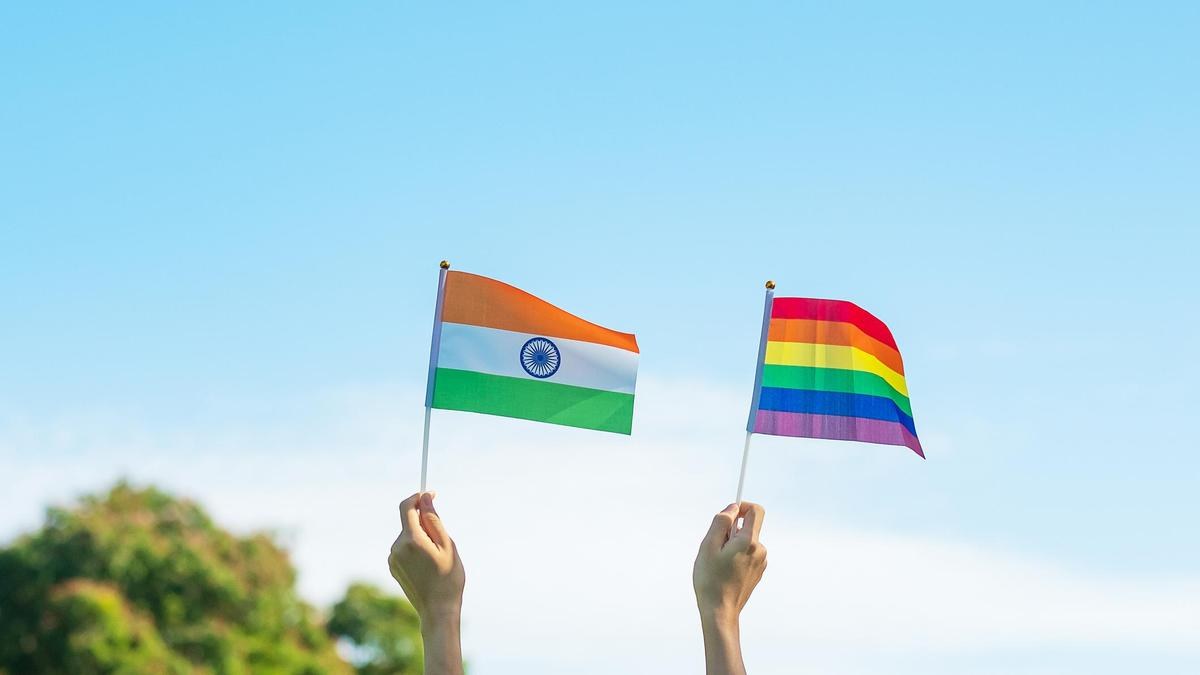
A Public Interest Litigation (PIL) filed in the Supreme Court has challenged aspects of India’s legal framework for recognising gender identity, arguing that the rules governing changes to names and gender markers on official documents discriminate against biological females.

The petition was filed by the India chapter of UK-based Women’s Declaration International (WDI). It challenges provisions of the Transgender Persons (Protection of Rights) Act, 2026, as well as procedures followed by the Unique Identification Authority of India (UIDAI) for updating names and gender details on Aadhaar cards.
According to the petition, the document-change framework developed following the landmark 2014 National Legal Services Authority (NALSA) judgment allegedly weakens protections and entitlements intended for biological females. The petition also argues that requiring citizens to recognise gender identities infringes on freedom of speech and expression.
The 2014 NALSA judgment established important constitutional protections for transgender people, recognising gender identity as part of the rights to dignity and personal freedom. It marked a significant development in the legal recognition of transgender identities in India.
WDI’s petition seeks to challenge aspects of the legal and administrative framework that emerged following the judgment, including the principles underpinning legal recognition of gender identity.
The case raises questions about the relationship between gender identity, constitutional rights, anti-discrimination protections and the administration of identity documents. It also brings competing legal arguments about individual rights and the scope of government regulation before the Supreme Court.
The claims made in the petition represent the petitioner's position and do not, by themselves, establish that the challenged laws or procedures are unconstitutional. The court’s consideration of the matter will determine how the legal questions are addressed.


0 comments
No comments yet. Yours would be the first.