
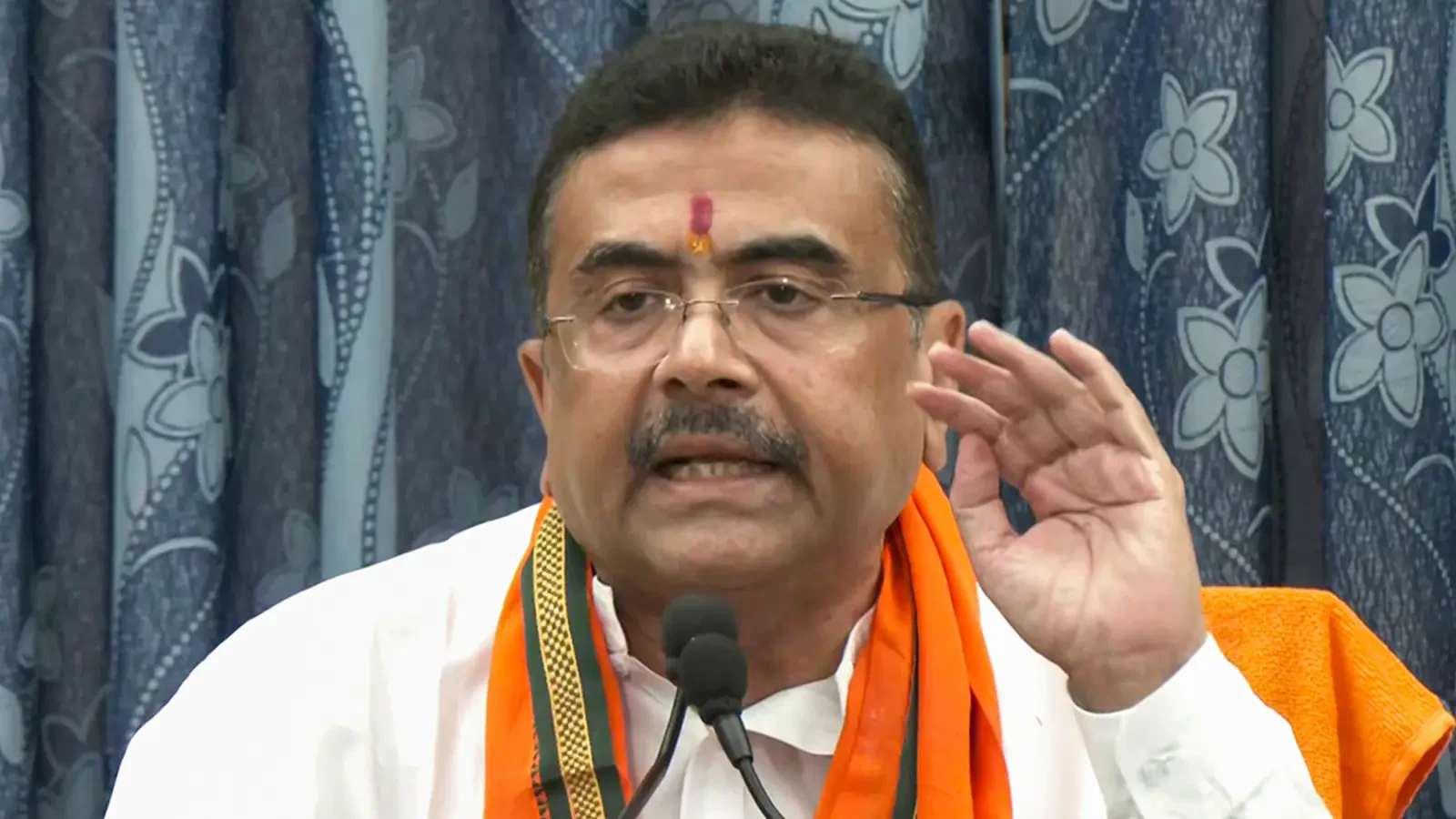
The West Bengal Public Safety and Control of Anti‑Social Activities Bill, 2026, popularly known as the anti‑Goonda Bill, has been returned by President Droupadi Murmu for reconsideration. The move comes after the Centre flagged overlaps with existing Central legislation on preventive detention.

Passed by the West Bengal Assembly on June 29, the Bill was among the first major laws introduced by the new BJP government in the state. It seeks to curb “goondas” and “anti‑social activities” through preventive detention measures. Chief Minister Suvendu Adhikari claimed the Bill had already received the Governor’s assent, but the President’s intervention has now stalled its implementation.
The controversy raises important constitutional questions: when does a state Bill require the President’s assent? Under Article 200 of the Constitution, the Governor can reserve certain Bills for the President if they conflict with Central laws or raise constitutional concerns. In this case, the Centre argued that Bengal’s Bill overlaps with the National Security Act (NSA), which already provides preventive detention powers.
Critics warn that such laws risk misuse and could infringe on civil liberties, while supporters argue they are necessary to tackle organised crime. The President’s decision ensures further scrutiny before the Bill can become law, highlighting the delicate balance between state legislation and national statutes.


0 comments
No comments yet. Yours would be the first.