
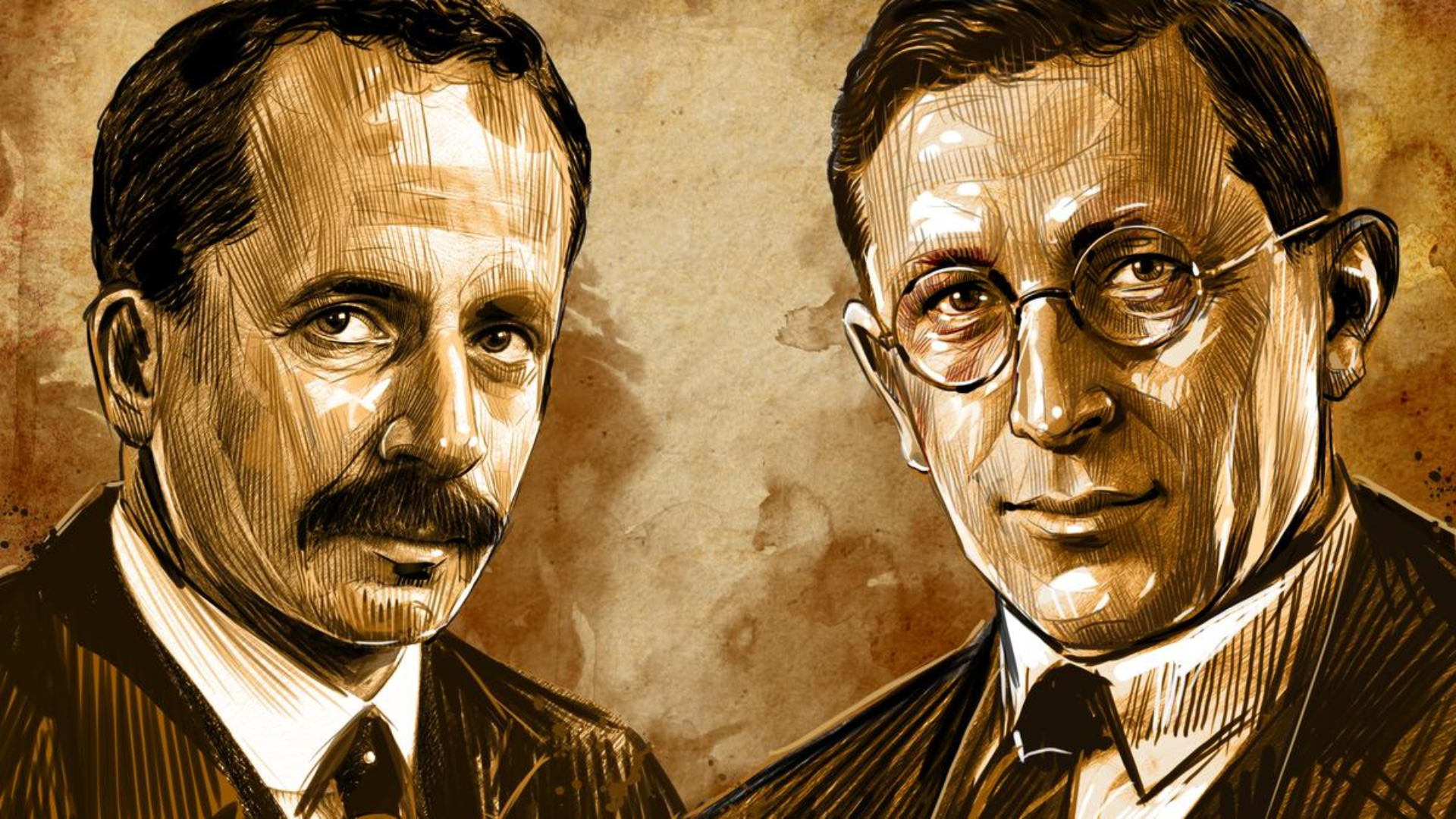
Frederick G. Banting and John J.R. Macleod were awarded the 1923 Nobel Prize in Physiology or Medicine for the discovery of insulin, a hormone essential for regulating blood glucose levels. Their research helped transform diabetes treatment and offered new hope to patients with severe forms of the disease.
Before insulin therapy became available, severe diabetes was often fatal. Research conducted at the University of Toronto in the early 1920s helped establish that pancreatic extracts could lower blood sugar levels in diabetic animals and could potentially be used to treat people with diabetes.
Banting and Macleod shared the Nobel Prize equally in recognition of their work. However, the discovery involved contributions from other researchers as well. Charles Best worked alongside Banting during the experiments, while biochemist James Collip helped purify insulin to make it suitable for clinical use.
The research demonstrated how experimental physiology, biochemistry and clinical medicine could work together to turn an understanding of a disease into an effective treatment. By helping regulate blood glucose, insulin therapy changed the outlook for people living with diabetes.
Insulin plays a central role in moving glucose from the bloodstream into cells, where it can be used for energy. In people who cannot produce enough insulin, or whose bodies do not use it effectively, blood glucose levels can become dangerously high.
The development of insulin remains a landmark in medical history. It laid the foundation for modern diabetes care and demonstrated the life-saving potential of scientific collaboration, careful experimentation and clinical research.





0 comments
No comments yet. Yours would be the first.