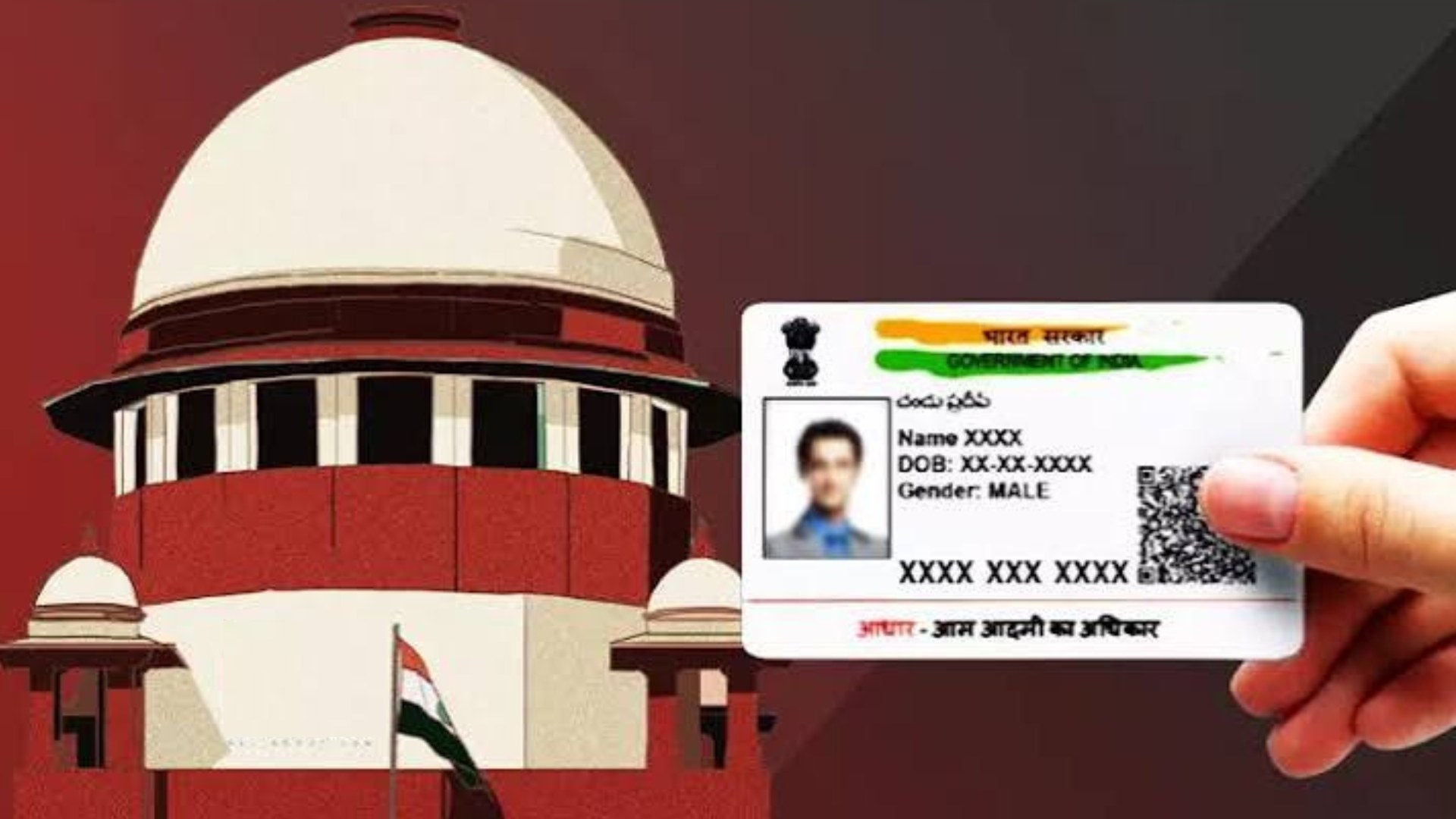
The Delhi High Court has held that an Aadhaar card alone cannot conclusively establish a person's date of birth, upholding a labour court ruling in favour of an employee terminated over discrepancies in her birth records.

In an order dated November 13, Justice Manoj Kumar Ohri rejected a challenge by JJ Electronics against a labour court decision concerning Rosamma Joy, who worked as a finishing man at the company.
The dispute arose after the employer found different birth years in Joy's records. Her Aadhaar card listed 1959, while her Employees' State Insurance Corporation (ESIC) records mentioned 1960. The company relied on the Aadhaar entry to retire her at 58, a year earlier than her scheduled retirement.
Joy challenged the termination before the labour court, seeking reinstatement and full back wages. The labour court declined to treat Aadhaar as conclusive evidence of age, noting that no UIDAI witness had been examined to establish how her date of birth was recorded.
It accepted 1960 as her birth year based on EPIC records and directed the employer to pay back wages and consequential benefits.
The Delhi High Court upheld the decision, observing that Aadhaar's legal framework recognises it as proof of identity, not definitive proof of date of birth. It also referred to a 2018 UIDAI memorandum stating that birth details are based on documents or self-declaration submitted by the holder.
The court held that Joy had not reached retirement age in 2017 and that the employer could not rely on the conflicting Aadhaar entry to advance her retirement.








0 comments
No comments yet. Yours would be the first.