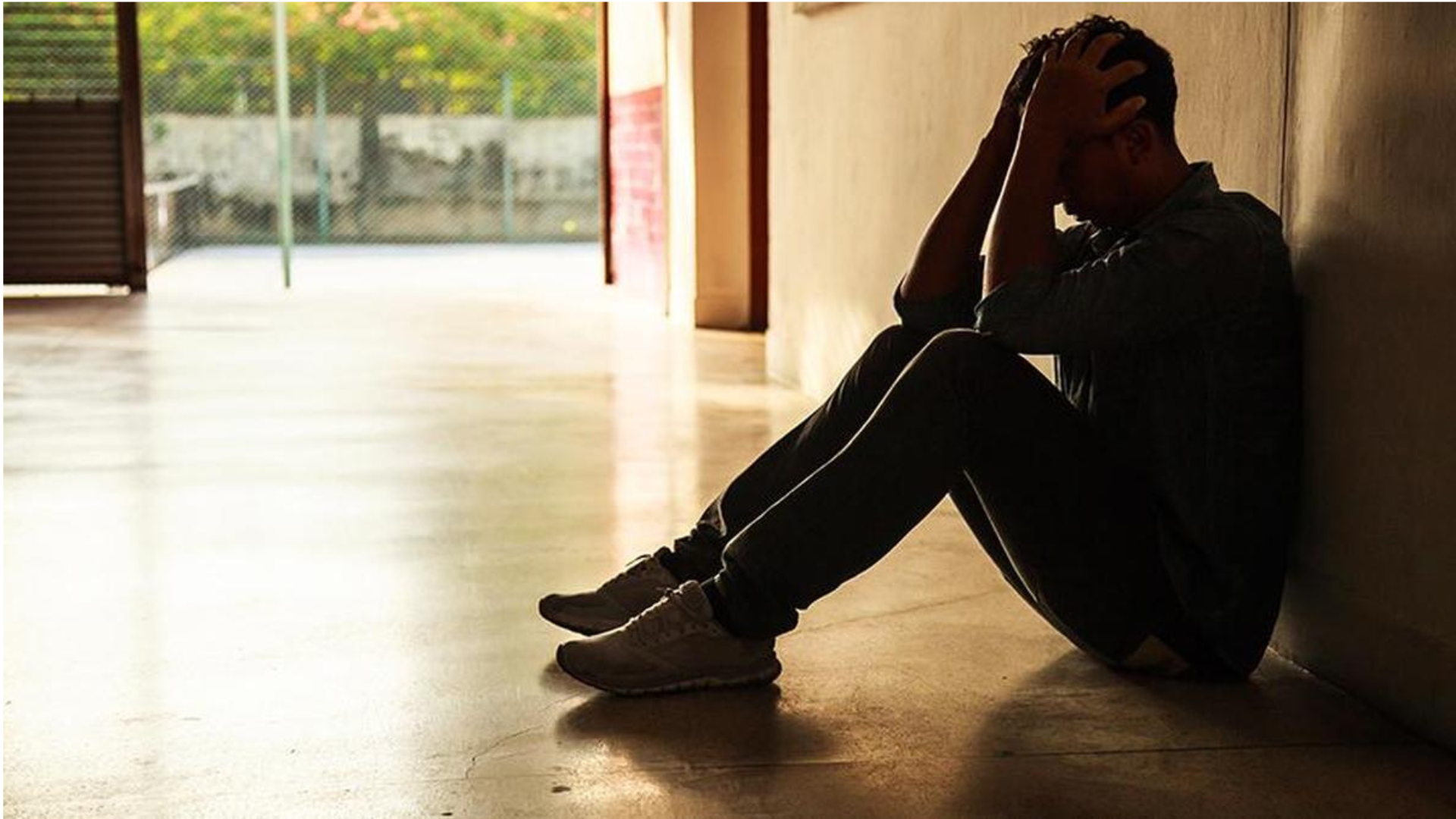
India's student mental health crisis requires educational institutions to listen more closely to students and include their perspectives in decisions concerning their well-being. Recognising students' lived experiences and providing them with meaningful representation in institutional committees could help develop more effective and sustainable solutions. A discussion on student distress highlights how behavioural changes are often misunderstood within educational and family environments. For instance, irregular attendance may be treated as indiscipline, while withdrawal and silence may be interpreted as signs of abnormal behaviour rather than possible expressions of underlying distress. Such responses can prevent students from openly communicating their difficulties. In mental health practice, clinical observations and structured interviews remain important, but an individual's personal experiences also need to be understood before conclusions are drawn. The concept of granting individuals the 'permission to narrate' their experiences is particularly relevant in this context. Students should have safe spaces where they can explain their concerns without fear of judgement, shame or ridicule. Educational institutions can take a more inclusive approach by ensuring direct student representation on institutional committees responsible for student welfare, mental health and grievance redressal. Student participation can help institutions understand challenges that might otherwise remain unnoticed. It can also make policies more responsive to the actual needs of learners. Teachers, parents, counsellors and administrators must work together to create supportive educational environments. Listening to students should not be limited to occasional consultations but should become part of institutional decision-making. Addressing student distress requires moving beyond labels and disciplinary responses towards empathy, meaningful participation and sustained support.







0 comments
No comments yet. Yours would be the first.