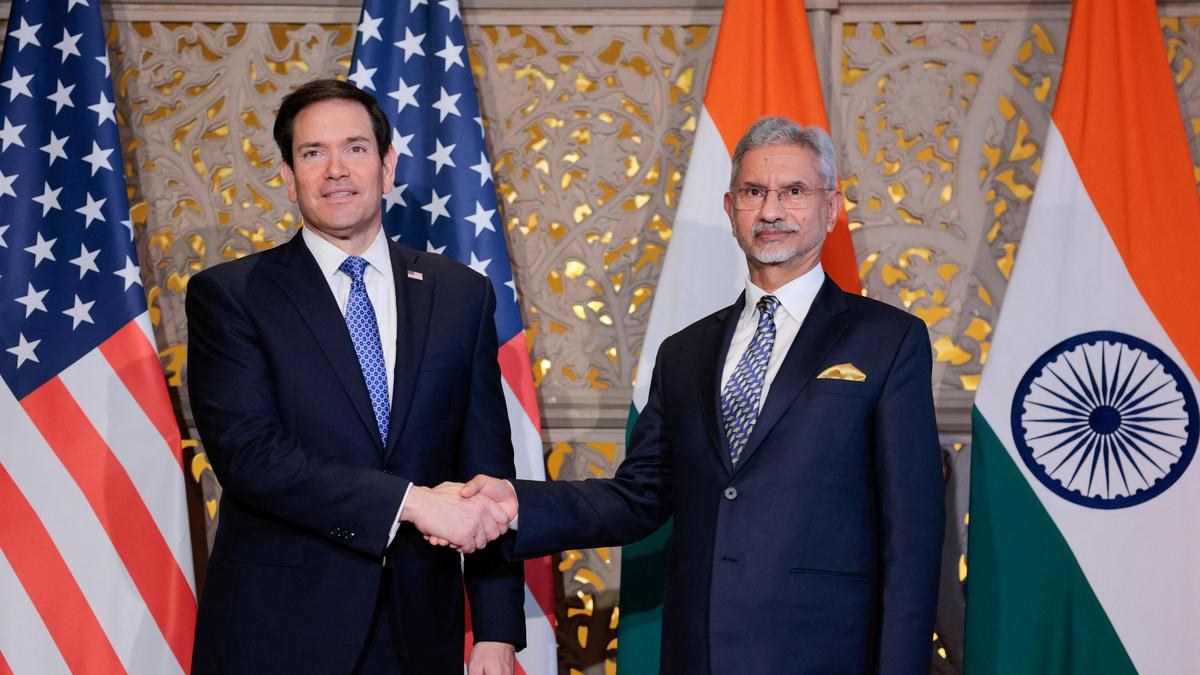
The 2026 U.S. midterm election results could have consequences for India that extend beyond its bilateral relationship with Washington. With Democrats expected to gain a strong majority in the House of Representatives and an advantage in the Senate, President Donald Trump may face greater political constraints on both domestic and foreign policy.

For New Delhi, the bigger concern may be how these political changes affect its ability to navigate international issues, including the Iran conflict, Russian oil imports, trade negotiations, immigration and relations with China.
Iran Conflict and U.S. Foreign Policy
One of the immediate areas India will be watching is the ongoing conflict involving Iran. After the election results began emerging, Trump defended his decision to launch attacks on Iran in February 2026 but acknowledged that the conflict was partly responsible for Republican losses.
It remains uncertain whether the election outcome will encourage his administration to give diplomatic negotiations with Iran more attention or seek an earlier end to the war. Any change in Washington’s approach could affect India's diplomatic and strategic calculations.
India’s Wider Geopolitical Challenges
The election results could also influence how India manages its relationships with major global powers. Issues such as Russian oil purchases, trade negotiations with the United States, immigration policies and Washington’s approach towards China remain important to New Delhi.
A stronger Democratic presence in Congress could create additional checks on the Trump administration. However, the precise impact on these policy areas will depend on how congressional leaders and the White House respond after the elections.
What It Means for New Delhi
India-U.S. relations involve long-term strategic, economic and security interests that are unlikely to be determined by one election alone. However, changes in Washington's political balance could alter the international environment in which India makes its decisions.
For New Delhi, the key question may not simply be whether the bilateral relationship changes, but whether developments in U.S. politics create more opportunities or constraints for India's independent foreign policy choices.


0 comments
No comments yet. Yours would be the first.