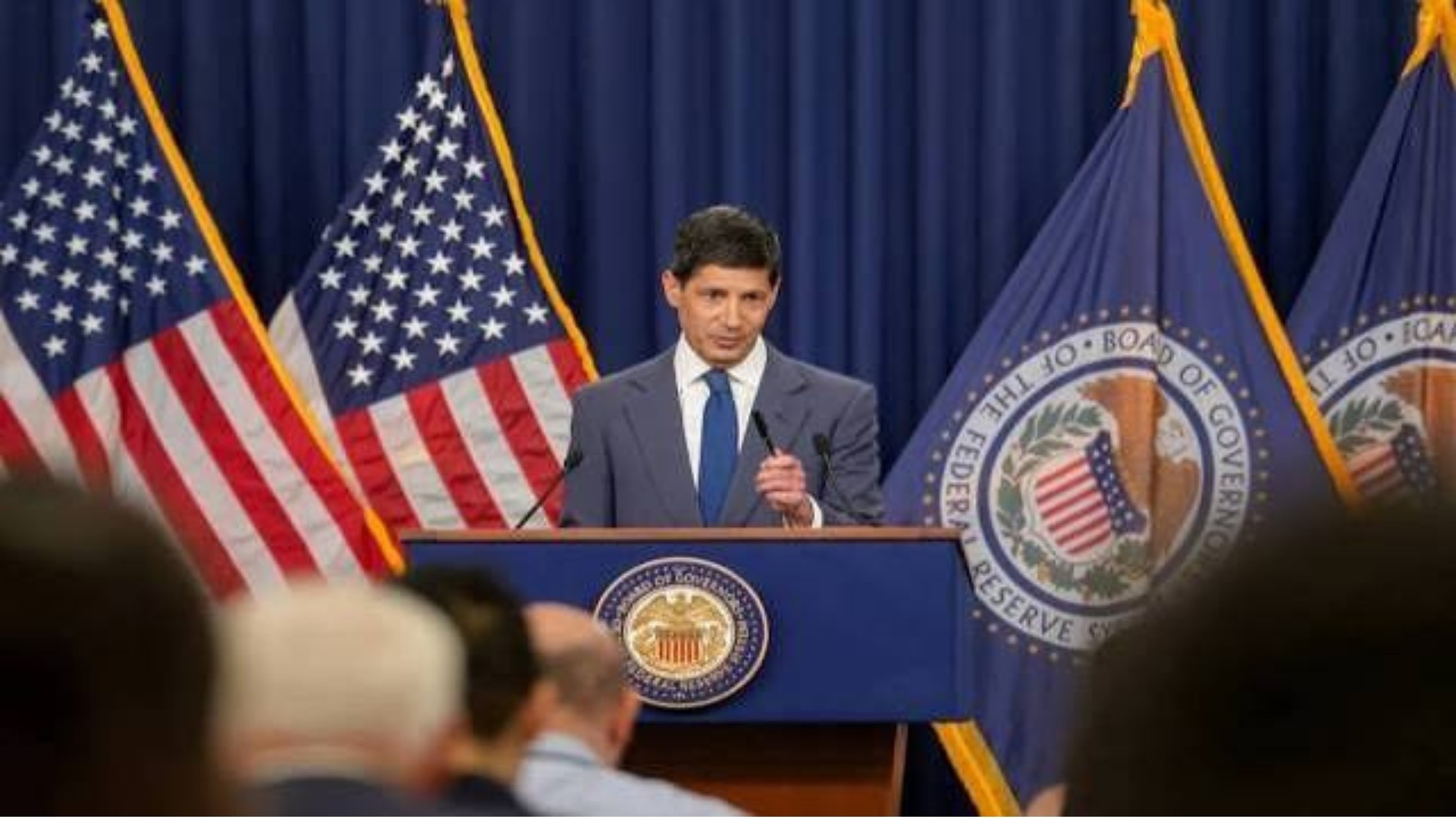
Higher-than-expected US inflation in October has strengthened expectations that the Federal Reserve will raise interest rates next month, while raising questions about whether policymakers could consider a larger-than-usual increase.

The Consumer Price Index (CPI) rose 0.4% in October, above economists' expectations of 0.3%. Although this was slower than September's 0.6% increase, underlying price pressures remained elevated. Core CPI, which excludes food and energy prices, increased 0.3%, compared with expectations of 0.2%. The reading was unchanged from September.
The US Labor Department did not publish a 12-month inflation rate for October because last year's government shutdown meant prices for October 2025 were not recorded.
Economists pointed to the broad-based nature of price increases as a concern. Services prices excluding housing rose 0.5%, their highest increase since May. Meanwhile, goods prices excluding food, energy and used cars climbed 0.4%, marking their strongest increase since January.
These figures have raised concerns about how quickly inflation can return to the Federal Reserve's 2% target. Investment strategists have also warned that interest rates could remain at or above current levels well into next year, depending on whether services inflation begins to ease.
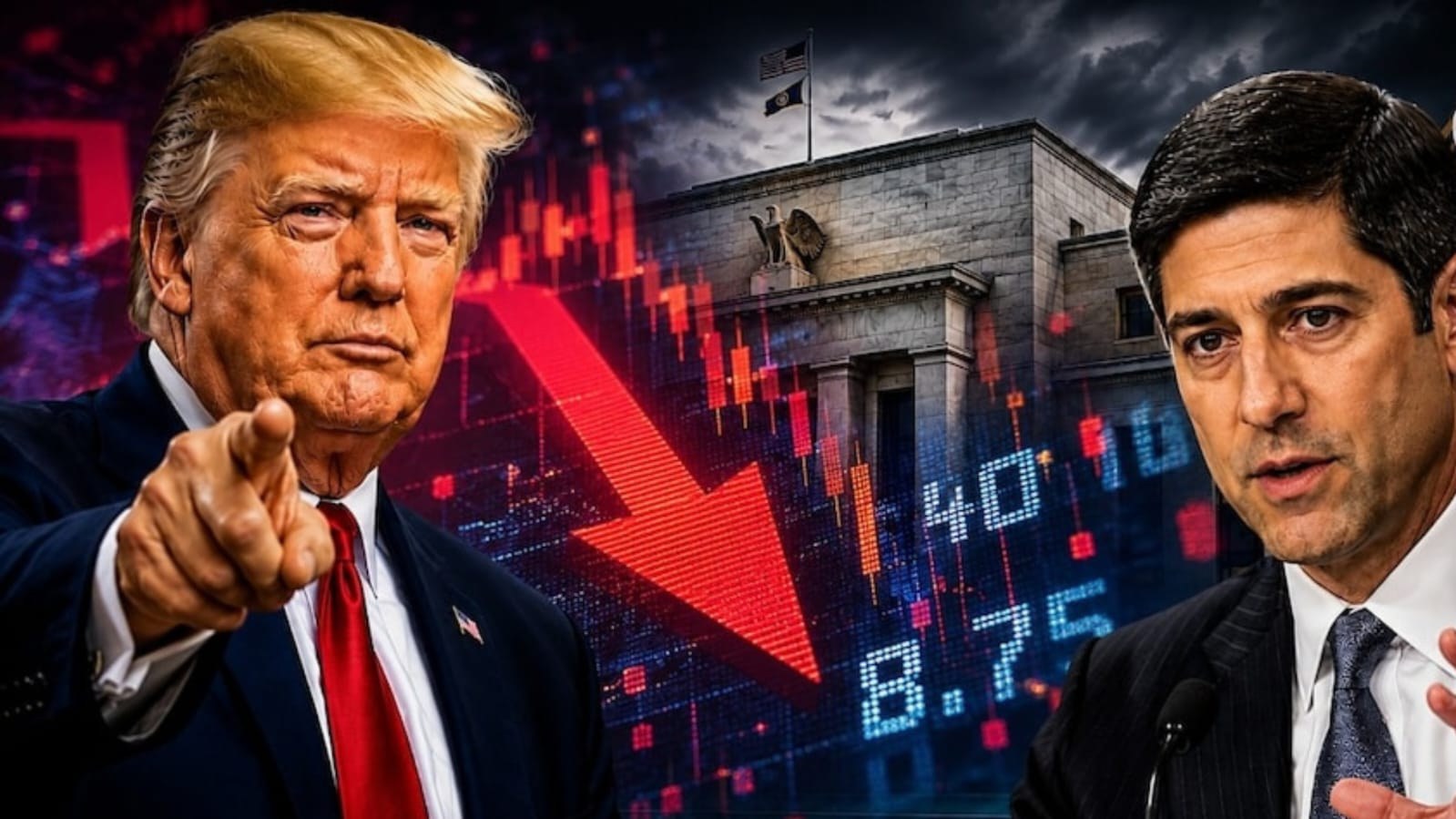
The immediate question for markets is whether the Fed will deliver a 25-basis-point or 50-basis-point increase in December. While some economists consider a quarter-point hike more likely, they have not ruled out a larger move given the recent strength of inflation.
The October report has therefore added pressure on the central bank as it weighs the need to control prices against changing financial conditions.





0 comments
No comments yet. Yours would be the first.