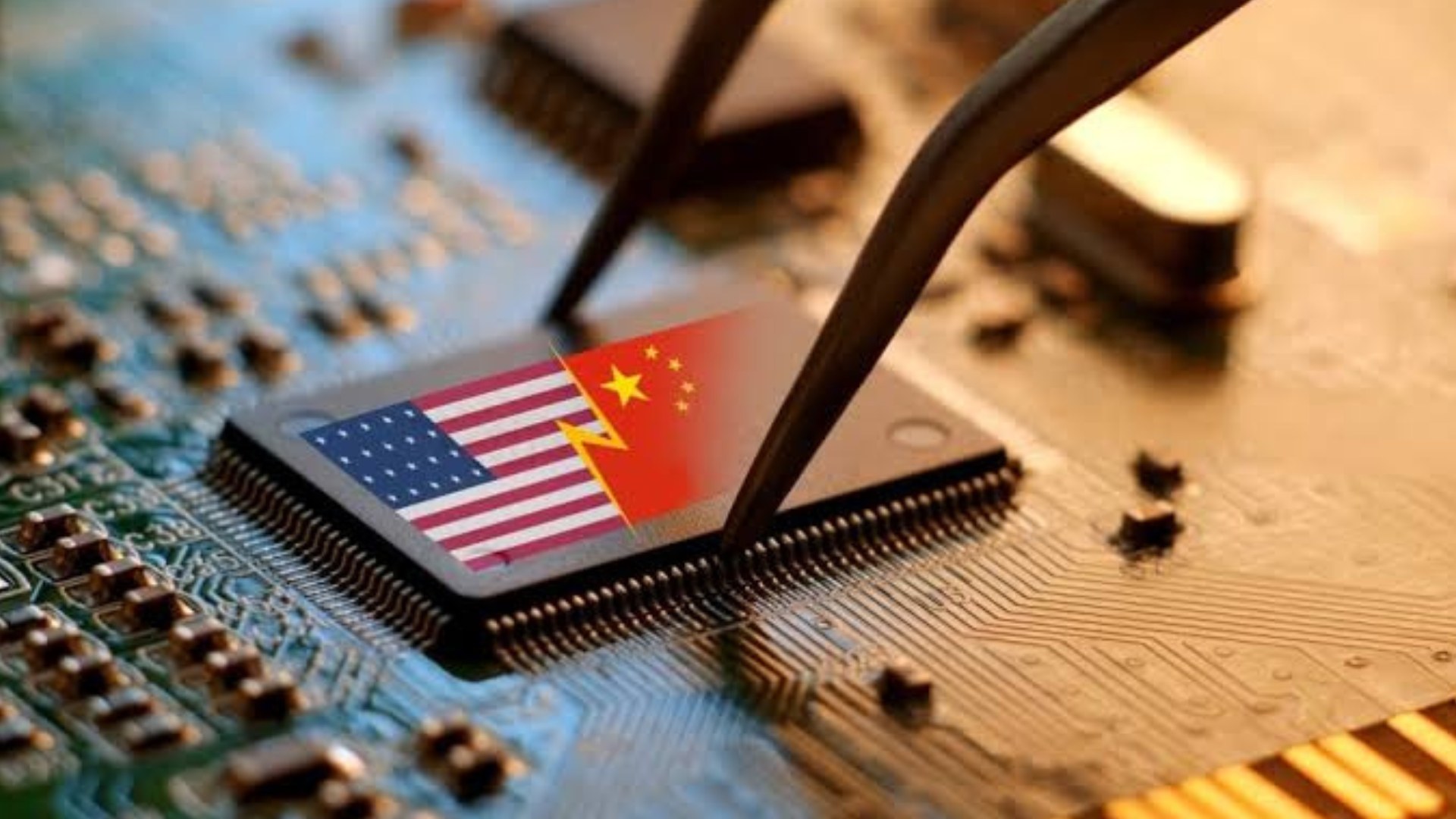
The US-China technology rivalry has intensified as Washington expands restrictions on advanced artificial intelligence (AI) chips, targeting overseas infrastructure that could allow Chinese companies to access American computing technology.

According to Jefferies' November 19 GREED & fear report, the US Bureau of Industry and Security (BIS) has introduced export licensing requirements for AI chips shipped to Malaysia, Thailand, Indonesia, Singapore and Brazil, with exemptions for qualifying exports to US companies.
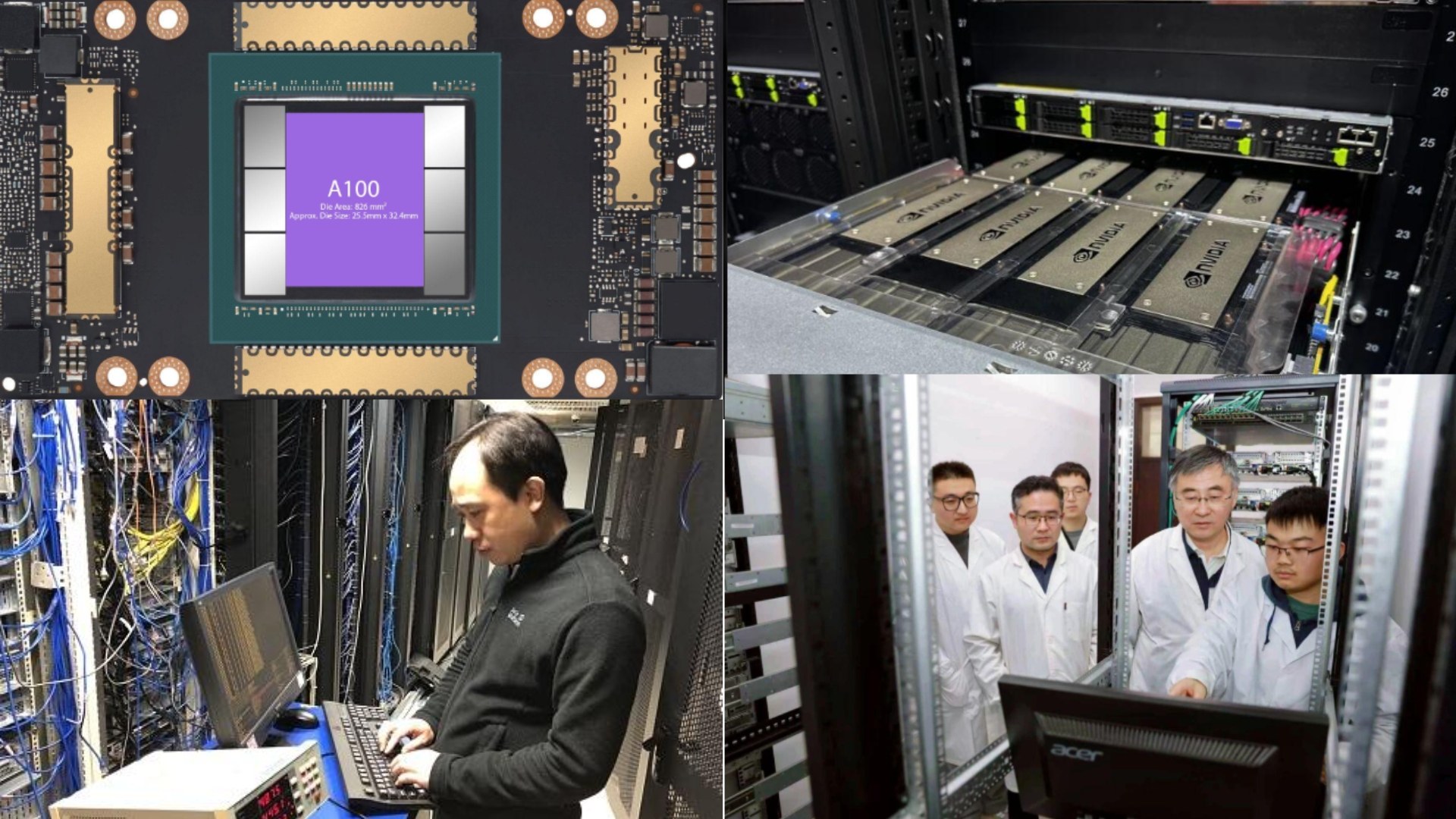
The restrictions aim to close a potential loophole through which Chinese firms could access advanced computing capacity via overseas data centres. Jefferies estimates that as many as 240,000 Nvidia AI chips may have been diverted to China since restrictions began in 2024.
Why Nvidia and AI infrastructure companies could be affected
The measures could complicate investment in AI infrastructure, particularly among cloud providers dependent on advanced chips and external financing.
Jefferies highlighted Nvidia's financial exposure to the AI ecosystem, including $61 billion in equity investments and $164.5 billion in lease guarantees and cloud capacity backstops. The report also pointed to CoreWeave, whose shares reportedly corrected 25%, while its bond yield climbed to 15.7%.
China's semiconductor ambitions
China continues to develop domestic capabilities in chip design, manufacturing, equipment and materials. Companies including HiSilicon, Cambricon, Loongson, SMIC, Hua Hong, Naura and AMEC operate across different parts of the semiconductor ecosystem.
However, domestic participation does not necessarily mean China has achieved technological parity with leading global manufacturers.
Why Southeast Asia matters
Malaysia has announced 61 data centre projects since 2023, with potential electricity demand of 8.35 gigawatts. Thailand has also recorded strong foreign investment growth, with digital infrastructure accounting for a significant share.
Tighter controls could complicate regional AI investments, particularly projects involving Chinese customers, financing or computing demand, potentially reshaping global semiconductor supply chains.





0 comments
No comments yet. Yours would be the first.