
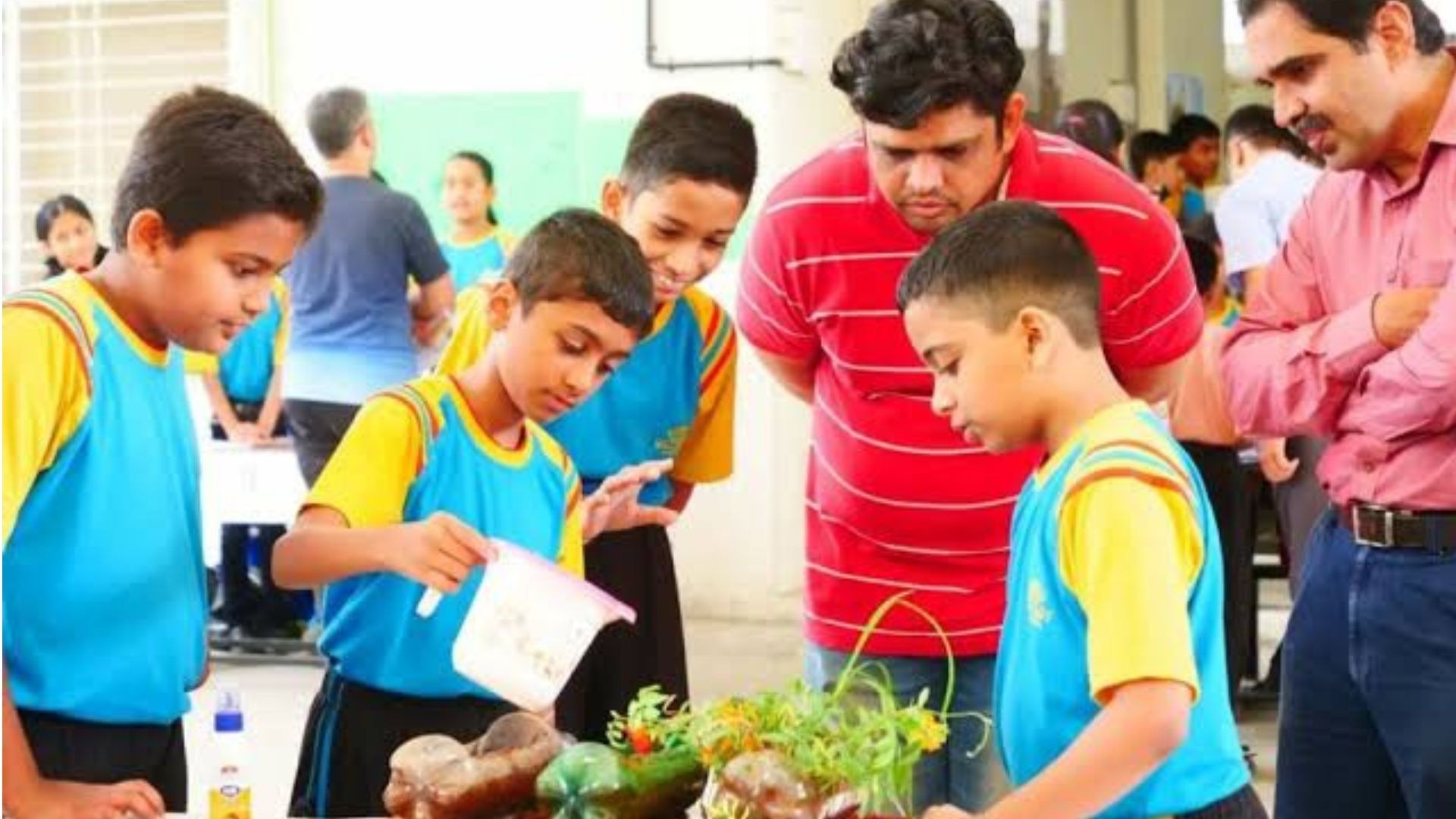
Uttar Pradesh is preparing to introduce project-based science learning in 17,089 government upper-primary schools, aiming to make science education more practical, engaging and connected to everyday life.

The initiative will focus on students in Classes 6 to 8, encouraging them to learn scientific concepts through experiments, projects and classroom activities rather than relying only on textbook-based instruction.
As part of the rollout, 261 resource persons from all 75 districts have completed a two-day training programme. The next stage will involve training science teachers through District Institutes of Education and Training (DIETs) before the approach is implemented in participating schools.
The programme includes 18 project-based science lesson plans developed for Classes 6, 7 and 8. Activities include projects such as exploring energy, creating a shadow theatre, growing a small garden, investigating microorganisms and building a basic electricity laboratory.
These projects are designed to connect classroom learning with real-world experiences while encouraging students to ask questions, conduct investigations, develop logical reasoning and solve problems independently.
The initiative aligns with the broader emphasis on experiential and activity-based education under the National Education Policy 2020. It also aims to help teachers integrate project-based learning into regular classroom teaching instead of treating it as a separate activity.
Teachers are expected to use different learning opportunities, including classroom projects, educational visits, bagless days, teacher collaboration meetings and smart classrooms, to support student participation.
The programme also places emphasis on tracking students’ progress and sharing holistic progress cards with parents. This could help families better understand students’ development beyond conventional classroom assessments.
The rollout marks an effort to strengthen science teaching in Uttar Pradesh’s government schools by making lessons more interactive and inquiry-driven. Its impact will depend on how effectively teachers are trained, how consistently activities are carried out and whether schools have the resources needed to support hands-on learning.



0 comments
No comments yet. Yours would be the first.