
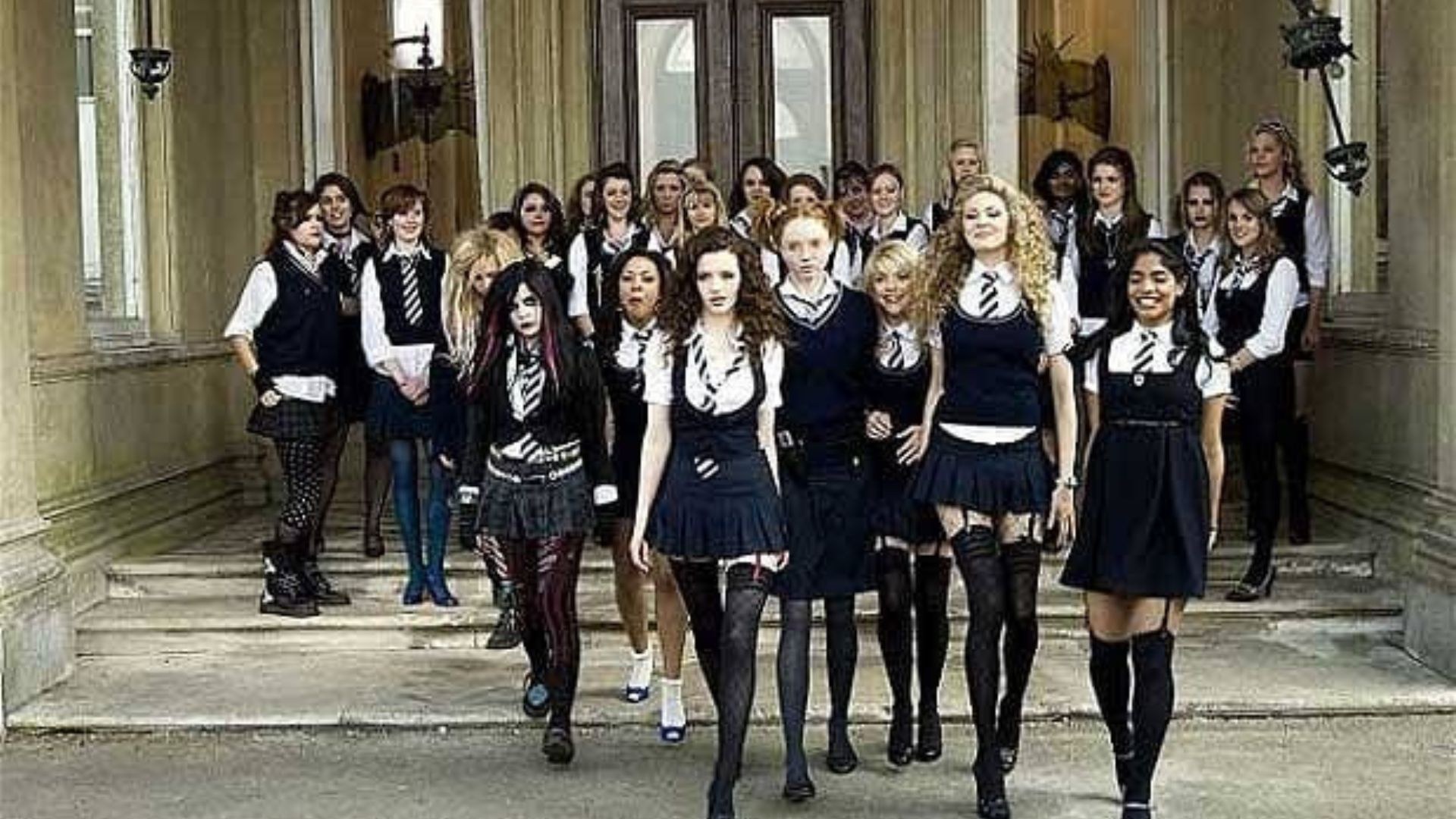
Peru’s proposed restrictions on students’ appearance have triggered criticism from human rights and women’s rights organisations, reopening debate over school discipline, student freedom and how best to prevent bullying and sexual harassment.

President Keiko Fujimori outlined the proposed measures during a visit to a school on the outskirts of Lima. The plan includes restrictions on girls wearing short skirts and nail polish, as well as rules targeting boys’ long hair. Makeup, hair dye and mobile phone use without a teacher’s permission would also face restrictions.
Education Minister Jose Chang said the government would address what it considers appropriate skirt lengths for school uniforms. Fujimori presented the measures as part of a broader effort to restore discipline and tackle bullying, sexual harassment and violence in classrooms.
However, the proposals have drawn objections from rights advocates. The Manuela Ramos Movement and the Flora Tristan Peruvian Women’s Center argued that regulating students’ hairstyles and makeup would not prevent sexual assault or other forms of school violence.
Peru’s National Human Rights Coordinator also criticised the restrictions, describing them as populist and authoritarian. Critics have questioned whether rules governing students’ appearance can effectively address the underlying causes of harassment and bullying.
The government has also proposed permanently expelling students considered to be particularly disruptive, raising further questions about disciplinary measures and access to education.
The proposals have not yet been adopted. The government plans to submit them to a public consultation process before deciding whether to implement the new rules.
The debate highlights a broader challenge for education authorities: balancing school discipline with student rights while ensuring that anti-bullying and safeguarding policies address harmful behaviour directly.



0 comments
No comments yet. Yours would be the first.